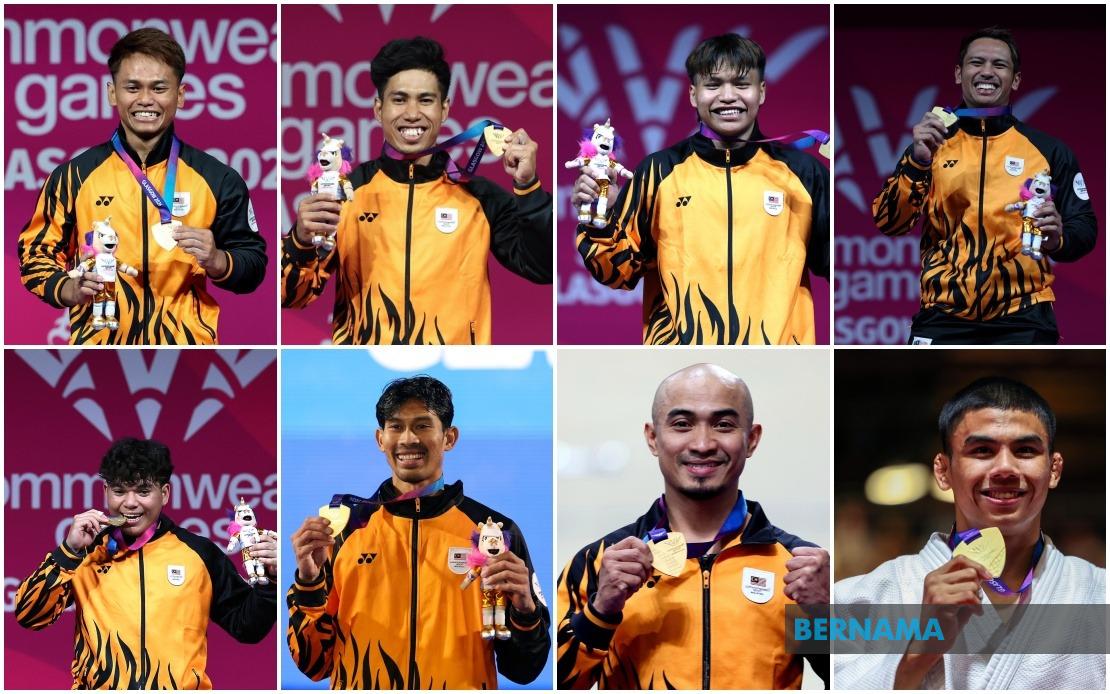
Prime Minister Datuk Seri Anwar Ibrahim has offered his congratulations to Malaysia's athletic delegation for their dedication and competitive spirit during the 2026 Commonwealth Games held in Glasgow, Scotland. Expressing his sentiments through social media, the Prime Minister highlighted the pride with which Malaysian athletes represented their nation on the global sporting stage. His public acknowledgement underscores the government's continued investment in and support for national sports development initiatives at the Commonwealth level.
Beyond honouring the athletes themselves, Anwar extended his gratitude to the extensive support network that enabled Malaysia's participation. This recognition encompassed the coaching staff, competition officials, logistical and medical support personnel, and the broader Malaysian public whose well-wishes and encouragement accompanied the contingent throughout their Games campaign. Such acknowledgement reflects the understanding that international sporting success requires collaborative effort across multiple stakeholder groups rather than athlete performance in isolation.
The Prime Minister's choice to communicate directly with the public through a Facebook post demonstrates an awareness of sports' significance in national identity and public engagement. By reaching citizens through a widely-used social platform, Anwar ensured his message of appreciation reached beyond official circles to the communities that follow Malaysian sporting endeavours closely. This approach has become increasingly important as sport functions not merely as competition but as a vehicle for national pride and social cohesion.
Malaysia concluded its participation at the 2026 Glasgow Commonwealth Games in 10th position on the overall medal standings, accumulating a total of 16 medals across the various sporting disciplines. This finish reflects a moderate performance relative to Malaysia's historical Commonwealth Games participation. The medal haul, while representing achievements worth celebrating, also provides a benchmark for evaluating Malaysia's standing within the broader Commonwealth sports community and offers strategic direction for future Games preparations.
The 10th-place finish carries implications for Malaysia's positioning within Southeast Asian athletics. The region has become increasingly competitive in international sports, with countries across ASEAN investing significantly in athlete development and training infrastructure. Malaysia's placement reflects the intensity of contemporary Commonwealth competition, where nations continuously upgrade their sports science support systems and talent identification programmes. Understanding where Malaysia ranks regionally helps contextualise its global standing and informs priority-setting for upcoming Games cycles.
The acknowledgement of athletes' fighting spirit proved particularly resonant given the demanding nature of Commonwealth Games competition. Modern international sporting events require athletes to maintain peak physical and mental conditioning while navigating unfamiliar environments, time zone adjustments, and heightened performance pressures. Malaysian competitors demonstrating determination under such circumstances represents a significant achievement that extends beyond simple medal acquisition.
The 2026 Glasgow Games represented a milestone for Malaysian sports administration as well. The Games served as a testing ground for various systems, coaching methodologies, and athlete welfare programmes that can be refined ahead of subsequent international competitions. Valuable data gathered regarding athlete preparation, competition scheduling, and performance management directly influences how Malaysia approaches future multi-sport events. Such operational learning contributes to systematic improvements in national sports governance.
For Commonwealth nations, the Games function as a significant platform for athlete development and international visibility. For Malaysia, participating meaningfully in such events maintains the nation's profile within the Commonwealth sporting community and provides competitive opportunities that develop athletes capable of performing at Olympic and World Championship levels. The Games serve as a crucial stepping stone in the career trajectories of Malaysian sports personalities who aspire to compete at the sport's highest tiers.
The Prime Minister's public commendation sends important signals regarding government prioritisation of sports development. Recognising athlete contributions encourages continued commitment to sporting pursuits among younger Malaysians and validates the choices of those dedicating their lives to athletics. Such high-level acknowledgement also reinforces to policymakers the importance of sustained funding for sports infrastructure, talent development programmes, and athlete support systems that remain foundational to competitive success.
Moving forward, the Glasgow Games performance establishes benchmarks that will inform Malaysia's strategic planning for subsequent Commonwealth Games and other international sporting events. Understanding the medal performance in relation to resources invested enables sports administrators to identify areas requiring enhanced support or new initiatives. The combination of coach expertise, facility quality, athlete selection rigour, and comprehensive preparation ultimately determines competitive outcomes in international sport.
The broader significance of Malaysia's Glasgow showing extends to how it motivates and mobilises the domestic sporting community. Success or even creditable performances generate goodwill, inspire younger athletes, and encourage investment in grassroots sports development. Conversely, publicly acknowledging efforts and achievements regardless of medal tallies ensures athlete morale remains high and participation in sports continues attracting talented individuals within Malaysian society who might otherwise pursue alternative career paths.

