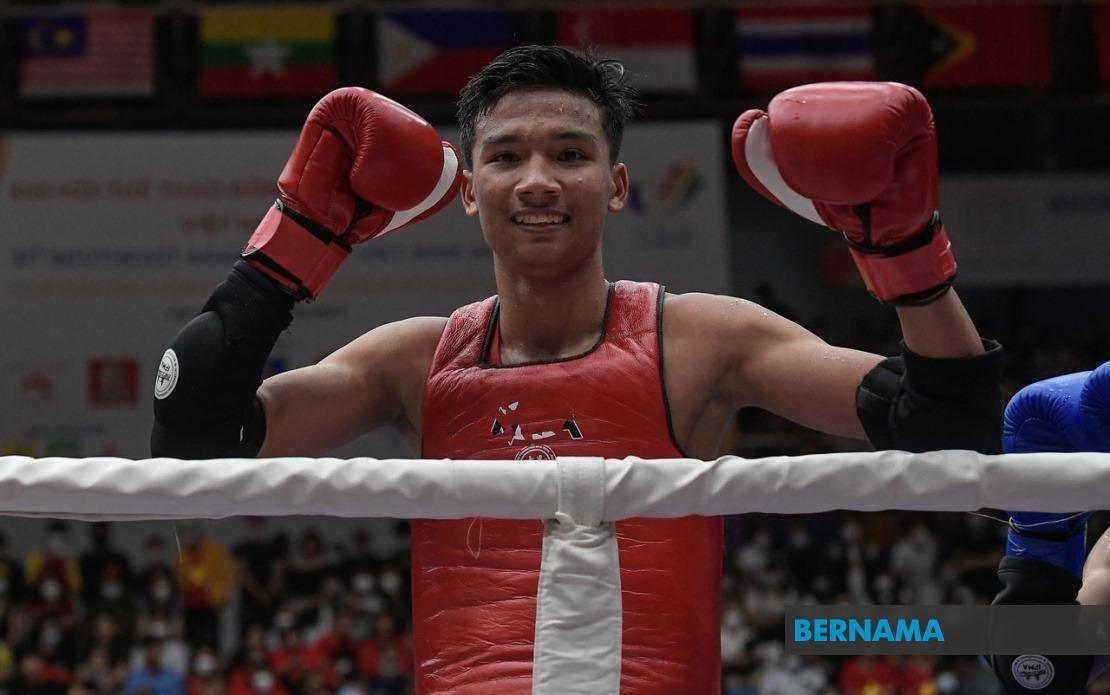
Prime Minister Datuk Seri Anwar Ibrahim has issued a public call for Malaysians to unite behind national Muay Thai athlete Ahmad Nor Iman Aliff Rakib as the fighter pursues an historic opportunity to claim the ONE Interim Strawweight Muay Thai World Championship. Through a Facebook message released on July 22, Anwar emphasised the significance of the moment for Malaysian combat sports, positioning Rakib's upcoming contest as a watershed moment for the nation's standing in international martial arts competition.
The championship bout takes place this Friday at the legendary Lumpinee Stadium in Bangkok, where Rakib will face Sam-A Gaiyanghadao, a storied Thai Muay Thai fighter whose credentials and experience in the ring command respect across the sport. This matchup represents an extraordinary opportunity for Malaysian athletic achievement, as Rakib would become the first combat sports competitor from Malaysia to qualify for and contest a world title under the ONE Championship banner, one of Asia's premier mixed martial arts and combat sports organisations.
Anwar's intervention reflects the significance accorded to sporting excellence within Malaysia's political and public consciousness. The Prime Minister's direct appeal demonstrates how national athletic endeavours command attention at the highest levels of government, serving as vehicles for fostering pride and unity among citizens. Such public endorsements, particularly from senior political figures, amplify media coverage and encourage broader engagement from the Malaysian public, who may otherwise lack familiarity with specialist combat sports competition.
The opportunity Rakib faces carries immense symbolic weight for Malaysian sport development. Combat sports continue to expand their footprint across Southeast Asia, with increasing investment from international promotions and growing grassroots participation. Success at the world stage could catalyse greater funding, sponsorship, and infrastructure development within Malaysia's Muay Thai community, potentially inspiring a generation of young fighters to pursue elite competition.
Anwar's message carried an explicit emphasis on national representation, urging Rakib to "continue to raise Malaysia's name on the world stage." This framing connects individual athletic achievement to broader national interests, positioning Rakib not merely as a competitor pursuing personal glory but as an ambassador for Malaysian excellence in the international arena. Such rhetoric has long characterised political engagement with elite sport, particularly in nations seeking to establish themselves as serious players in global competition.
The Prime Minister further highlighted the inspirational dimension of Rakib's endeavour, acknowledging that success could motivate younger Malaysians to pursue achievement at the highest competitive levels. This generational aspect of sporting investment reflects contemporary understanding of how elite athletic success creates role models and encourages talent development pathways. Malaysian youth observing a fellow countryman competing for world honours may perceive greater possibilities within their own sporting ambitions, contributing to a virtuous cycle of participation and aspiration.
Sam-A Gaiyanghadao presents a formidable opponent, bringing proven experience and a respected record within professional Muay Thai circles. Thailand's dominance in traditional Muay Thai remains profound, with generations of fighters emerging from that nation's deep-rooted combat culture and training systems. Rakib's willingness to face such established opposition underscores the seriousness of his competitive ambitions and the preparation undertaken in pursuit of championship glory.
The timing of Anwar's public statement, released before the contest rather than after the outcome, signals confidence in Rakib's preparation and capabilities. By articulating support in advance, the Prime Minister invests political credibility in backing the athlete, a gesture that carries weight within Malaysian society where government figures often shape public discourse and opinion regarding national achievements. This proactive positioning also ensures heightened media and public attention surrounding the bout, potentially benefiting Rakib through expanded viewership and support.
Muay Thai occupies a complex position within Malaysian sporting culture. While boxing and other combat sports maintain followings, traditional Muay Thai remains less mainstream than in neighbouring Thailand, where the sport constitutes a profound cultural and economic phenomenon. The emergence of Malaysian competitors capable of challenging for world honours could normalise Muay Thai within domestic sporting consciousness, expanding fan bases and encouraging broader participation across different demographic and socioeconomic groups.
The ONE Championship platform, as a multinational Asian organisation, provides Malaysian athletes with access to world-class competition previously concentrated within traditional heavyweight Western boxing and mixed martial arts promotions. This democratisation of elite sporting opportunity means that athletes from smaller nations can increasingly compete against and defeat internationally recognised competitors, fundamentally reshaping traditional hierarchies within combat sports. Rakib's participation exemplifies how Asian-based promotions are redistributing competitive prestige across the region.
For Malaysian followers of combat sports, Rakib's bid resonates as validation that the nation can produce internationally competitive athletes across diverse martial disciplines. Historical Malaysian sporting achievements, concentrated primarily within badminton, squash, and football, increasingly encompass broader athletic domains. Combat sports representation at world championship level expands the portfolio of disciplines through which Malaysians can vie for international recognition and honour.
The contest will inevitably attract significant viewership within Malaysia, particularly among dedicated Muay Thai enthusiasts and broader audiences motivated by national interest. Digital platforms and broadcast arrangements should ensure that Malaysian fans can access the competition in real-time, fostering collective national engagement with the bout. Such moments of united public support for an athlete pursuing world honours strengthen social cohesion and provide shared experiences that transcend typical political or demographic divisions within society.

