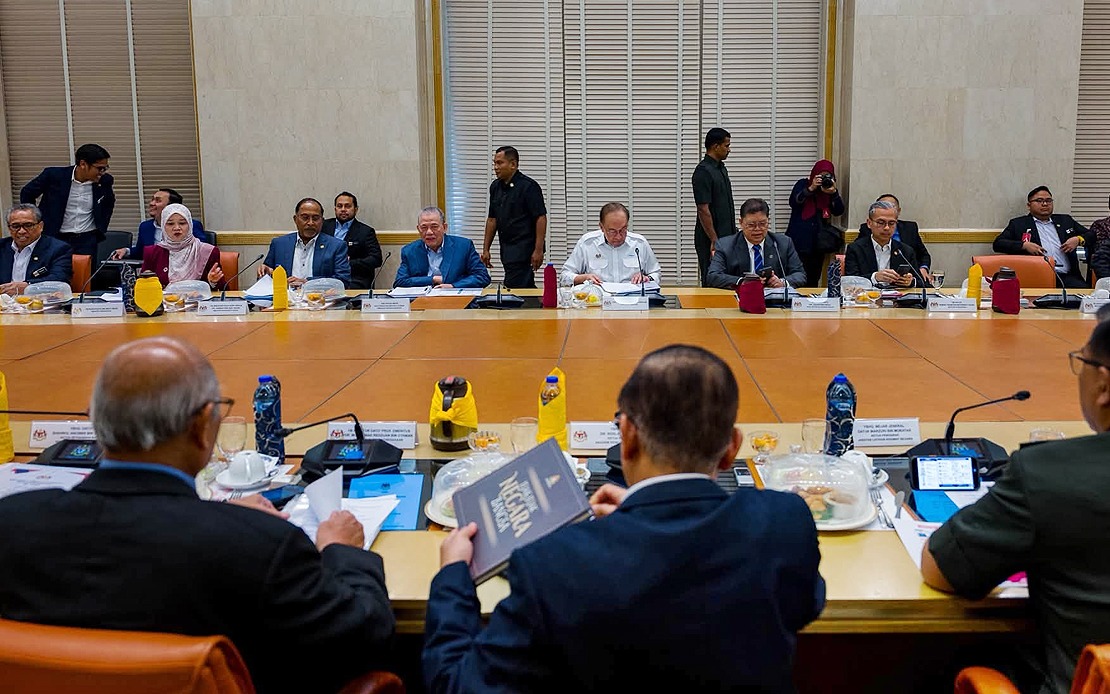
Prime Minister Datuk Seri Anwar Ibrahim has reiterated that the development and reinforcement of nationhood values represents a cornerstone of Malaysia's long-term nation-building efforts, particularly in creating a citizenry grounded in shared identity and moral principles. Speaking during the Dewan Kenegaraan Board of Governance Meeting that he chaired, Anwar emphasised that sustained investment in these values would generate individuals equipped not only with a robust sense of belonging but also the integrity and ethical framework necessary to contribute meaningfully to society.
Anwar's emphasis on this agenda reflects growing concerns across Southeast Asia regarding social cohesion and national unity in an increasingly fragmented media landscape. The Prime Minister's articulation underscores the government's belief that external standing and international reputation flow directly from the quality of character and collective values demonstrated by a nation's people. By prioritising the cultivation of these principles from grassroots level upwards, Malaysia seeks to position itself as a nation where civic virtue and national pride remain interconnected rather than competing interests.
Central to this vision is the National Service Training Programme, commonly referred to as PLKN, which the Prime Minister described as demonstrating encouraging progress and receiving positive reception from both participants and their families. The programme serves as an experiential platform through which young Malaysians undergo structured training designed to instil discipline, resilience and a pronounced sense of national identity. Anwar's remarks suggest the government intends to expand and deepen PLKN's reach, viewing it not merely as a logistical exercise but as a transformative intervention during formative years when values solidify and civic consciousness develops.
The Prime Minister's comments arrive at a moment when Malaysia, like many regional neighbours, grapples with questions about generational attitudes toward national institutions and collective identity. The PLKN initiative represents a deliberate policy response to these concerns, offering structured engagement that brings young people from diverse ethnic, religious and socioeconomic backgrounds into shared experience. Such programmes, when effectively executed, can generate meaningful peer relationships across traditional divides and reinforce the constitutional framework underpinning Malaysian multiculturalism.
Anwar also highlighted the evolving role of the Nationhood Fellows initiative, which functions as a mechanism for assembling accomplished individuals and respected figures from multiple societal sectors. This body is intended to serve as a think tank and advisory platform, generating intellectual contributions and strategic insights that can inform and strengthen nation-building initiatives across government and civil society. The diversity of perspectives represented within this fellowship reflects recognition that durable nationhood cannot emerge from top-down diktat alone but requires sustained dialogue among stakeholders commanding credibility across different constituencies.
The government's multi-faceted approach to strengthening nationhood values involves recognising that such values cannot remain abstract or purely rhetorical. Instead, they require institutional embodiment through programmes like PLKN, through advisory structures like the Nationhood Fellows, and through consistent articulation by political leadership. Anwar's emphasis on continuous strengthening suggests an acknowledgment that these efforts demand ongoing reinforcement rather than one-time campaigns, reflecting understanding that social values erode without regular reinforcement.
For Malaysian policymakers, the integration of nationalism with pluralism remains an enduring challenge. The Prime Minister's framing attempts to position nationhood values as inclusive rather than exclusionary, emphasising shared identity and mutual respect rather than majoritarian dominance. This distinction carries particular significance in a country where ethnic and religious diversity represents both a defining feature and occasional source of tension. By anchoring the nation-building discourse in universal principles of integrity and noble conduct rather than narrow ethnic or religious markers, the government signals intention to ground national cohesion in civic rather than communal foundations.
The broader regional context adds weight to Malaysia's focus on this agenda. Throughout Southeast Asia, countries confront similar pressures from globalisation, social media fragmentation, and competing loyalties between local and transnational identities. Malaysia's deliberate investment in programmes and structures designed to reinforce nationhood values positions it within a regional conversation about how democracies maintain social fabric and collective purpose in rapidly changing environments. The success or failure of such initiatives often becomes a bellwether for whether traditional nation-states can evolve to meet contemporary challenges.
The timing of Anwar's remarks, delivered through the formal platform of the Dewan Kenegaraan Board of Governance Meeting, underscores the government's treating this matter as central rather than peripheral to state functioning. By elevating discussion to this institutional level and by subsequently sharing reflections publicly, the Prime Minister signals that cultivation of nationhood values occupies equivalent priority to economic management or security concerns. This elevation reflects conviction that social cohesion and collective identity constitute prerequisites for addressing other national challenges effectively.
Moving forward, observers will assess how effectively Malaysia translates these stated commitments into concrete programme outcomes and measurable indicators of strengthened nationhood consciousness. The success of PLKN in generating lasting attitude change, the impact of Nationhood Fellows deliberations on actual policy formulation, and the broader receptiveness of Malaysian society to this values-centred agenda will collectively determine whether the current emphasis represents substantive shift or rhetorical flourish. For a nation seeking to navigate the complexities of multicultural democratic governance amid regional competition, such questions hold stakes extending well beyond mere domestic politics.

