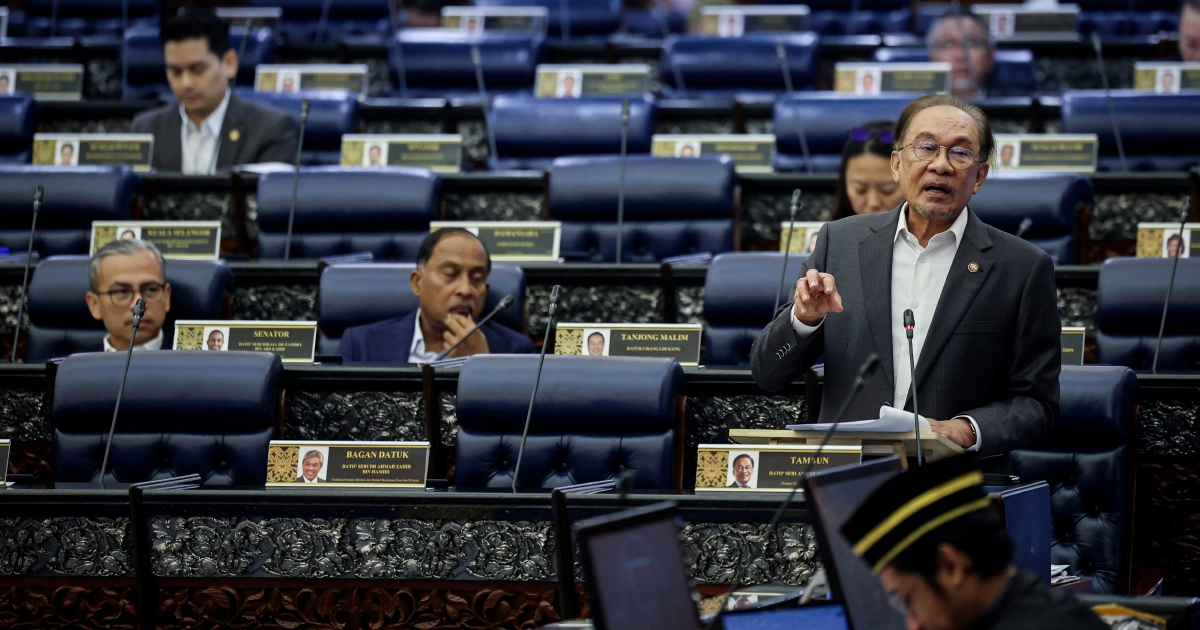
Prime Minister Datuk Seri Anwar Ibrahim has stressed that enforcement action against journalists and registered media organisations must follow established procedures rather than being carried out on an ad-hoc basis, marking a significant statement on media governance in Malaysia.
The Prime Minister's remarks highlight growing international scrutiny of how Southeast Asian democracies balance press freedom with regulatory oversight. Malaysia's media landscape has historically been subject to various legislative frameworks that grant authorities broad discretionary powers, and Anwar's intervention suggests a recalibration toward stricter procedural requirements before such action is initiated.
For the Malaysian media industry, the emphasis on procedural safeguards carries substantial implications. Registered news organisations operate under multiple regulatory regimes, including the Communications and Multimedia Act, the Evidence Act, and the Printing Presses and Publications Act, each conferring different enforcement powers on various agencies. When the Prime Minister signals that action cannot be taken arbitrarily, he is essentially advocating for due process requirements that would necessitate formal notification, clear grounds, and opportunity for response before enforcement measures are deployed.
The distinction between journalists and registered media organisations is noteworthy. By specifically naming both categories, Anwar acknowledges that individual reporters and editors warrant protection alongside their employing organisations. This bifurcated approach recognises that journalists' independence and ability to discharge their professional duties could be undermined if they face unilateral action without institutional backing or procedural recourse.
In the Southeast Asian context, Malaysia's position on press freedoms has been closely monitored by international media watchdogs and regional peer countries. Neighbouring Singapore, Thailand, and Indonesia all grapple with similar tensions between regulatory authority and editorial independence. Malaysia's approach—framed through Anwar's commitment to safeguards—potentially influences regional standards and may shape how peer nations craft their own media regulations.
The practical effect of instituting proper safeguards extends beyond protecting individual cases. When enforcement bodies know they must follow established procedures, document their rationale, and provide opportunity for media organisations to respond before action is taken, the cumulative effect is a more transparent and predictable regulatory environment. This transparency, in turn, encourages media organisations to invest more confidently in journalism rather than diverting resources to defensive compliance measures.
Anwar's position also reflects broader domestic political dynamics. The Prime Minister's government has itself faced intense media scrutiny on multiple fronts, ranging from economic policy to allegations concerning political rivalry within the ruling coalition. A framework that prevents arbitrary action against journalists arguably protects his own government from accusations of suppressing criticism, while simultaneously constraining opposition-aligned media from alleging unfair treatment.
However, the statement raises important implementation questions. Safeguards are only effective if enforcement agencies actually comply with them and if there are consequences for violating procedural requirements. Malaysia's track record on this varies; while courts have sometimes intervened to protect media interests, enforcement agencies have occasionally proceeded with controversial actions that critics argue circumvented proper procedure.
For journalists and media organisations themselves, translating Anwar's statement into tangible protections requires sustained engagement with government bodies. Professional media associations have a crucial role in documenting procedural breaches, advocating for legislative clarity, and building consensus around what constitutes arbitrary action. Without such groundwork, the Prime Minister's rhetoric may not translate into systemic change.
Regional media freedom indices, which have shown Malaysia's performance fluctuating over the past decade, may begin to reflect these developments if safeguards are institutionalised. Reporters Without Borders and Freedom House assessments explicitly evaluate procedural fairness and arbitrary action as indicators of press freedom, meaning that genuine implementation of Anwar's position could improve Malaysia's international standing.
Looking forward, the statement potentially presages legislative or administrative reforms that would formalise these safeguards. This could include amending enforcement powers within media-related statutes, establishing inter-agency protocols for coordinated action, or creating complaint mechanisms for journalists who believe they have been treated arbitrarily. Each approach carries different implications for government accountability and media independence.
The Prime Minister's intervention ultimately reflects recognition that a functioning media ecosystem requires predictability and procedural fairness. Whether this translates into concrete institutional change will largely depend on how relevant enforcement agencies interpret and implement these principles in practice, and whether Malaysia's independent judiciary remains willing to scrutinise agency actions that appear to breach procedural norms.
For Malaysian newsrooms, Anwar's statement represents a significant signal from the highest political level, though its ultimate value will be determined by whether enforcement bodies observe these principles consistently and whether proper remedies exist when they do not.

