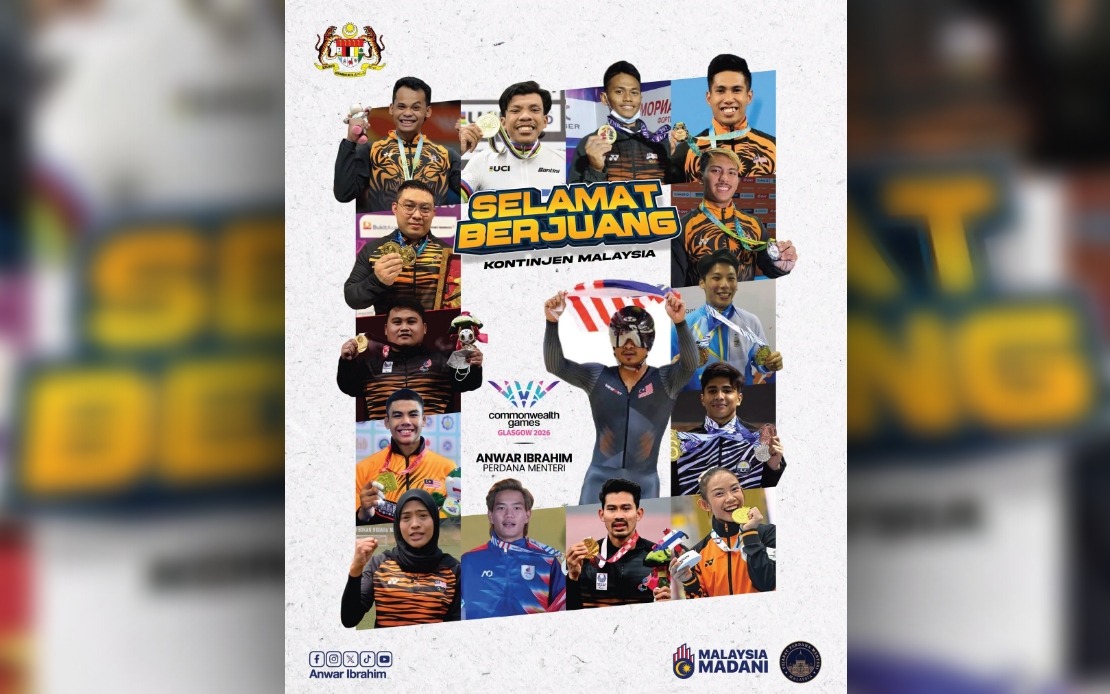
Prime Minister Datuk Seri Anwar Ibrahim has extended his support to the Malaysian contingent as the 2026 Glasgow Commonwealth Games officially commence, with the opening ceremony scheduled for The Hydro venue in the early hours of July 24 Malaysian time. Through a social media message, the Premier expressed confidence in the nation's representatives and outlined his vision for their participation in the quadrennial sporting spectacle.
Anwar's message centred on the importance of athletic excellence tempered with moral character, reflecting broader themes about Malaysia's international sporting representation. He called upon competitors to pursue victory through dedication and fairness, emphasising that the true measure of achievement extends beyond medals to encompass the manner in which they conduct themselves. This framing aligns with Malaysia's efforts to position itself as a nation that values both competitive achievement and ethical conduct in sports.
The Prime Minister invoked values of discipline, integrity and sportsmanship as foundational principles for the contingent's participation. His statement reflects a government perspective that international sporting events serve not merely as athletic competitions but as platforms for projecting national character and values. For Malaysian readers, this underscores how the government views Commonwealth Games participation as integral to the nation's global image and soft power objectives.
Anwar additionally offered prayers for the national contingent's endeavours, requesting divine facilitation of their efforts and blessing of their success. This invocation of spiritual support resonates within Malaysia's cultural and religious context, where such sentiments carry particular significance. The phrasing suggests the government's holistic approach to supporting athletes, encompassing both practical preparation and moral or spiritual dimensions.
The Glasgow Commonwealth Games represents a significant sporting milestone for Malaysia, occurring within a structured competition framework that brings together athletes from across the Commonwealth. The 2026 edition unfolds across four primary venues—Scotstoun Stadium, Tollcross International Swimming Centre, Glasgow Arena and the Scottish Event Campus—all positioned within a 12.8-kilometre radius of Glasgow city centre. This geographical concentration facilitates logistical efficiency for organisers and spectators alike.
Scotland's largest city assumes its role as Commonwealth Games host for the second occasion, having previously staged the event in 2014. The twelve-year interval between Glasgow's two hosting experiences reflects the rotating nature of Commonwealth Games organisation across member nations. For Malaysian athletes and observers, Glasgow's returning status as host venue means the infrastructure and expertise developed over the preceding decade inform the current Games experience, potentially providing refined facilities and organisational approaches.
The timing of Anwar's message, issued as competition preparations reach their final stages, demonstrates government-level engagement with sporting events and recognition of their importance to national pride and representation. Such public messages from political leadership frequently serve to galvanise public support for athletes and set expectations for national performance. In Malaysia's context, where sports achievement carries significance for national morale and international standing, such Premier-level encouragement carries particular resonance.
The Commonwealth Games framework holds particular relevance for Southeast Asian nations including Malaysia, as the event provides opportunities for regional athletes to compete against established sporting powerhouses while maintaining a sense of Commonwealth-wide fellowship. Malaysia's participation represents the nation's commitment to this international sporting community and the values it purports to uphold. The composition and performance of the national contingent at Glasgow therefore carries implications extending beyond the Games themselves to questions of national sporting capacity and development.
For Malaysian supporters tracking the contingent's progress, Anwar's message establishes an official tone emphasising character-driven competition rather than purely medal-focused outcomes. This rhetorical framing may influence how national media and public discourse evaluate the Games results, potentially prioritising athlete conduct and representation alongside competitive performance. The emphasis on competing "with honesty and dignity" provides an interpretive framework through which subsequent sporting outcomes will be assessed and discussed within Malaysian public discourse.

