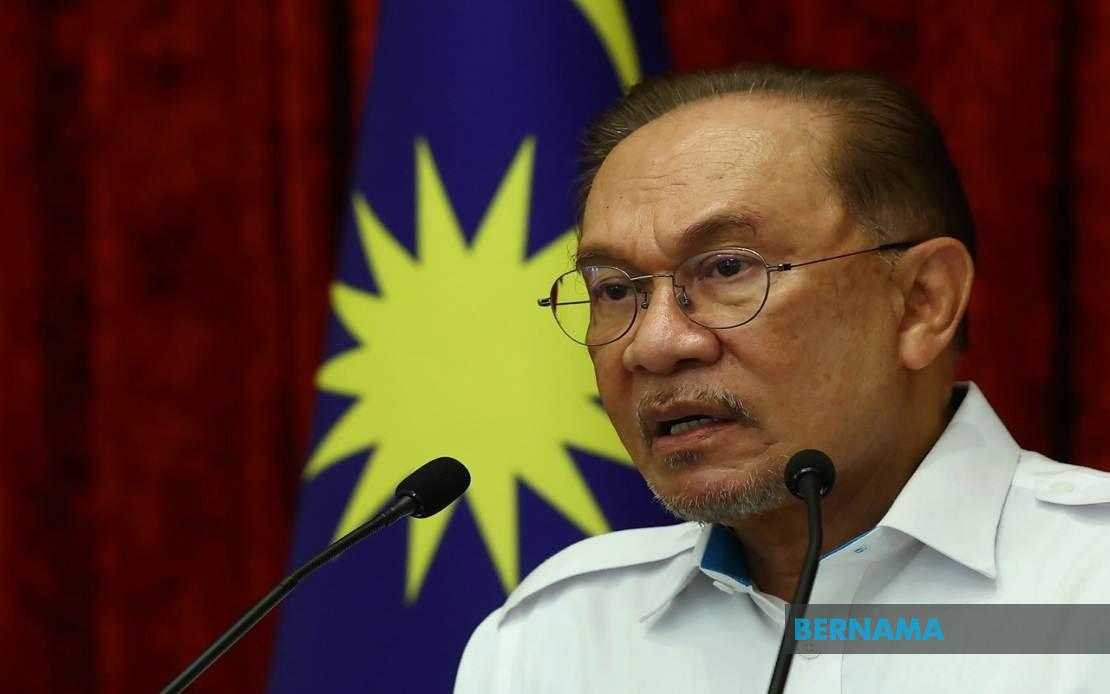
Prime Minister Datuk Seri Anwar Ibrahim has sent his apologies for not being present at today's special sitting of the Dewan Rakyat, where lawmakers gathered to discuss findings from the Royal Commission of Inquiry into Tabung Haji management. The absence comes as the 79-year-old premier continues his recovery following recent surgical intervention, though his office emphasised his commitment to engaging with the substantive matters being debated in Parliament.
Through his senior press secretary Tunku Nashrul Abaidah, Anwar conveyed that he remains deeply engaged with the proceedings despite his inability to attend in person. The statement stressed that the Prime Minister intends to follow the debate with careful attention, reflecting the gravity with which he views the RCI findings and the broader implications for the institution. This hands-on approach signals his determination to remain informed on a matter that touches on the financial stewardship of one of Malaysia's largest Islamic investment vehicles.
The medical situation has been the subject of careful management and public transparency. Anwar's chief medical officer, Datuk Dr Asri Ranga Abdullah Ramaiah, disclosed through a Facebook statement that the Prime Minister had undergone an elective laparoscopic procedure to address a para-umbilical hernia. The minimally invasive nature of the surgery typically allows for faster recovery compared with traditional open procedures, though the decision to remain hospitalised reflects medical prudence given Anwar's age and the need for proper post-operative monitoring.
Official sources indicated that the Prime Minister's health trajectory has been positive since the intervention. His office reported that he is progressing well through the recovery phase and continues physiotherapy sessions overseen by a dedicated team of medical specialists. This structured rehabilitation approach is standard for patients of his age following surgical procedures and aims to restore full mobility and strength as quickly as safely possible. The involvement of multiple specialists underscores the comprehensive nature of his medical care.
The Tabung Haji RCI report represents a significant moment in Malaysian governance, particularly concerning the management of pilgrimage funds entrusted to the institution by millions of Muslim Malaysians. The special parliamentary sitting signals the government's commitment to examining any findings that emerged from the inquiry and addressing accountability questions. Anwar's expressed intention to closely monitor the debate demonstrates his recognition of this importance, even though his physical presence in the chamber was not possible.
The timing of both the surgery and the parliamentary debate places considerable pressure on the administrative machinery of government, requiring clear lines of communication and delegation. While the Prime Minister recovers, the parliamentary proceedings allow elected representatives to fulfil their oversight functions, and Anwar's commitment to following events closely ensures that the executive branch remains informed of legislative sentiment and emerging concerns. This division of labour, though necessitated by circumstance, permits the business of government to continue.
Anwar's message also conveyed gratitude to those who have supported him during his recovery, including well-wishers who marked his 79th birthday the previous day. Such acknowledgments, while appearing ceremonial, serve an important function in maintaining public goodwill and demonstrating the Prime Minister's awareness of public concern for his health. In Malaysian political culture, where personal relationships and respect for leadership often intersect, such gestures carry genuine significance beyond their surface meaning.
The RCI into Tabung Haji has been a matter of considerable public interest, particularly given concerns that have been raised about investment strategies and fund management practices. The special sitting represents one of Parliament's mechanisms for ensuring accountability and allowing for legislative examination of institutional performance. For Anwar, whose administration has committed to strengthening governance standards, the debate offers an opportunity to demonstrate resolve in addressing any shortcomings identified by the inquiry.
Looking ahead, the expectation is that Anwar will gradually resume fuller duties as his recovery progresses. The physiotherapy regimen suggests a realistic timeline for reconditioning, though the pace will ultimately depend on his medical team's assessment. In the interim, the institutional structures of government—the cabinet, Parliament, and the bureaucracy—continue to function, with the Prime Minister engaged through briefings and remote monitoring of significant developments.
The situation underscores both the robustness of Malaysia's democratic institutions and the importance of succession planning and delegation at the highest levels of government. While Anwar manages his recovery, the parliamentary debate on Tabung Haji proceeds, legislative functions continue, and the machinery of state operates without interruption. This balance between the leader's health needs and the nation's governance requirements illustrates how modern governments navigate such challenges, ensuring neither is compromised by the other's demands.

