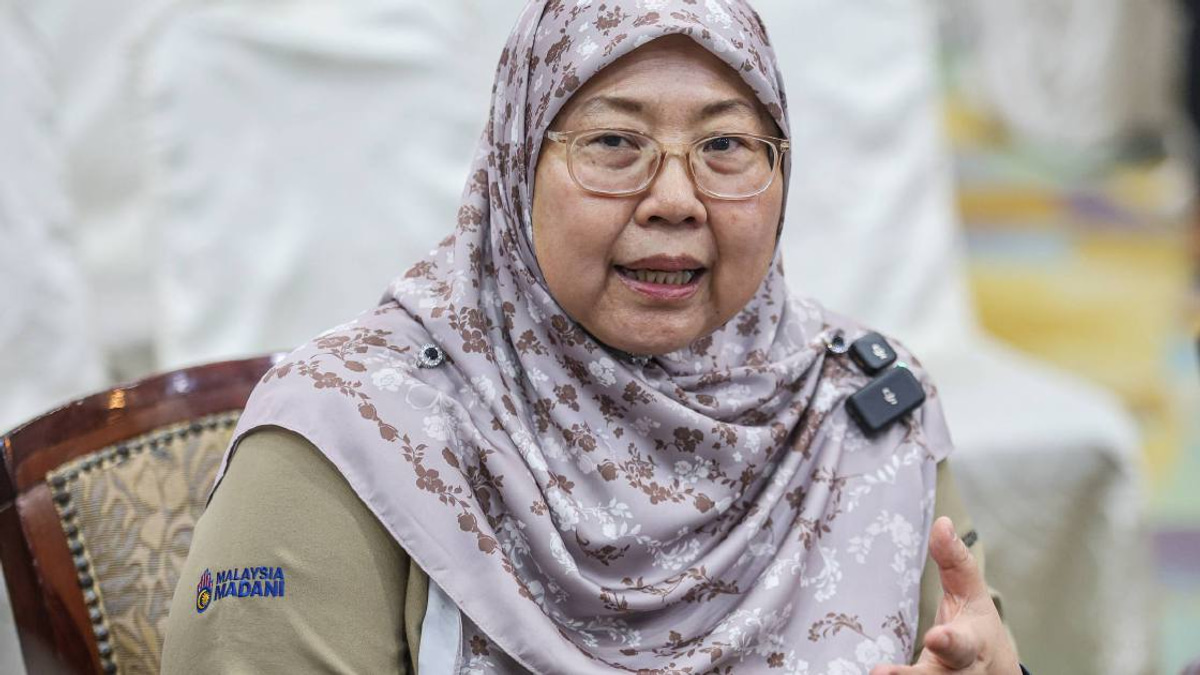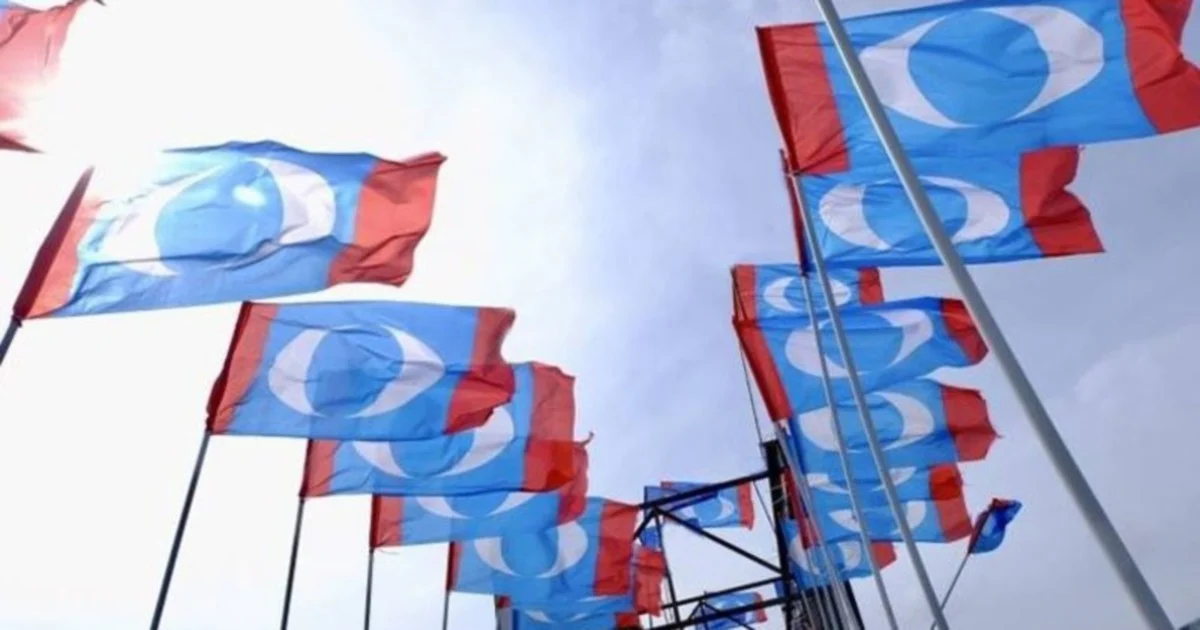
The People's Justice Party (PKR) has substantially completed its candidate selections for the Johor and Negri Sembilan state elections, with party secretary-general Datuk Dr Fuziah Salleh announcing that the slate is now 99 per cent finalised. The declaration, made in Johor Baru, indicates that PKR is in the advanced stages of preparing for what could be significant electoral contests in two key states with distinct political landscapes and voter demographics.
The near-completion of the candidate list represents a critical milestone in PKR's election preparation process. With nominations largely sealed, the party can now concentrate resources on campaign strategy, ground operations, and messaging refinement across both states. This timing is typical for political parties preparing for state-level contests, as finalising candidates allows party machinery to mobilise supporters and begin voter engagement without the uncertainty of last-minute changes that could disrupt campaign momentum.
For Johor, Malaysia's most populous state by land area and home to significant economic activity, PKR's participation carries particular weight. The southern state has historically been a stronghold for other political entities, yet PKR's involvement in state politics demonstrates the party's ambition to expand influence beyond its traditional bases. The selection of candidates in Johor requires careful consideration of local dynamics, incumbent performance, and demographic shifts that have reshaped electoral behaviour across the state's diverse constituencies.
Negri Sembilan presents a different electoral terrain altogether. The state's more compact size and distinct urban-rural balance create unique challenges and opportunities for opposition parties seeking to challenge established political structures. PKR's candidate selection in Negri Sembilan must account for the state's specific concerns, from economic development and employment to matters affecting local communities that may differ substantially from Johor's priorities.
The timing of finalising candidates ahead of formal announcement cycles allows PKR to conduct internal vetting that extends beyond mere political viability. Party leadership must assess candidates' ground networks, financial independence, community standing, and alignment with party values—factors that become increasingly scrutinised as elections draw closer. With the list 99 per cent complete rather than 100 per cent, party officials retain flexibility to make final adjustments should compelling circumstances arise, a pragmatic approach common in Malaysian politics.
PKR's readiness in candidate selection also signals preparation for potential coalition dynamics that may characterise these state elections. As part of the broader opposition ecosystem, PKR's candidate list must be coordinated with potential allies, ensuring no divisive multi-candidate contests that could fragment opposition votes. These negotiations typically occur at multiple political levels, involving party leaders, state chapters, and coalition partners navigating competing interests and seat allocations.
The state elections in Johor and Negri Sembilan will serve as important barometers for voter sentiment regarding national political developments, economic conditions, and governance performance. PKR's candidate selections reflect the party's strategic assessment of which constituencies represent genuine opportunities versus defensive positions. The composition of the slate—balancing newcomers with experienced politicians, and potentially shifting demographic representation—provides insight into PKR's evolving political calculus in both states.
From a broader Malaysian perspective, these state contests will test whether opposition parties can consolidate voter support in direct contests with established political forces. PKR's nearly-finalised candidate list demonstrates the party believes it has competitive candidates capable of mounting credible challenges, particularly in constituencies where political consolidation or anti-incumbent sentiment might favour challengers. The quality and composition of these candidates will substantially influence electoral outcomes.
The announcement from Datuk Dr Fuziah Salleh also reflects the organisational maturity of PKR as a political entity. Successfully finalising candidate lists across two geographically and politically distinct states requires navigating internal party democracy, managing factional interests, and making difficult decisions about seat allocations and candidacy nominations. The party's capacity to complete this process with minimal public controversy suggests adequate internal consensus, though ongoing debates about candidate quality and selection transparency remain relevant to Malaysian political discourse.
Moving forward, PKR's campaign effectiveness will depend not merely on having selected candidates, but on how comprehensively these individuals connect with voters, articulate compelling visions for state development, and differentiate themselves from opponents. The candidate list represents potential rather than predetermined outcomes; electoral success ultimately hinges on whether these individuals can mobilise sufficient support during the campaign period and translate voter dissatisfaction into actual ballot-box gains across Johor and Negri Sembilan's constituencies.