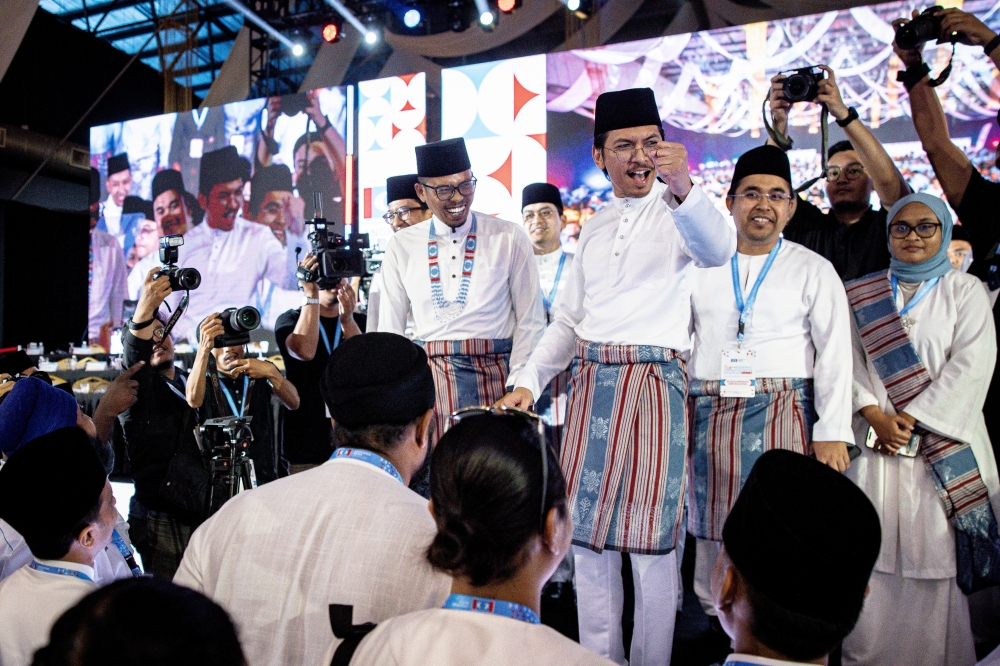
The youth wing of Pakatan Rakyat (PKR) has formally endorsed Prime Minister Datuk Seri Anwar Ibrahim's pledge to dismantle the Universities and University Colleges Act (UUCA), signalling a significant shift in how Malaysia's ruling coalition is approaching institutional reform in tertiary education. The move represents more than symbolic backing for a single legislative change; it underscores a broader political commitment to democratising academic spaces and empowering the student body as agents of systemic transformation.
The UUCA has long been a flashpoint for civil liberties advocates and student organisations, who argue that its provisions impose excessive restrictions on campus political expression and assembly. By aligning itself vocally with repeal efforts, PKR Youth is positioning its party as receptive to demands emanating from university communities—constituencies that typically lean towards progressive governance and greater freedoms. This alignment matters considerably in Malaysian electoral calculations, where younger voters increasingly factor institutional openness and individual liberties into their political choices.
PKR Youth's statement goes beyond endorsement by actively exhorting student bodies to harness the political momentum and articulate their aspirations for comprehensive change. The call reflects recognition that legislative amendments alone will not suffice if underlying governance cultures within universities remain hierarchical and restrictive. Students are being invited to function as advocates for their own interests, rather than passive recipients of top-down reform directives. This rhetorical move attempts to frame student activism as legitimate and encouraged, a marked departure from earlier eras when campus political engagement faced institutional hostility.
The timing of this repositioning proves strategically significant for PKR, which has sought to rebuild youth engagement following internal party turbulence and the broader challenges facing the Pakatan Rakyat coalition government. By championing student voice on campus freedom, the party cultivates goodwill among demographics that hold considerable influence over Malaysia's medium-term political trajectory. University-educated voters, particularly those under forty, represent an expanding electoral bloc whose preferences increasingly diverge from older voter cohorts on matters of institutional accountability and personal autonomy.
MALAYSIA's university sector has experienced mounting pressures to modernise governance arrangements in recent years, compounded by brain drain concerns and international ranking declines. Restrictive regulatory frameworks such as the UUCA are frequently cited by institutional leaders and education policy experts as impediments to attracting premium faculty talent and fostering the intellectual dynamism that contemporary knowledge economies demand. Repealing the Act signals willingness to align Malaysian academic governance with international norms that prioritise institutional autonomy and scholarly freedom, a repositioning that carries economic development implications alongside its political dimensions.
Student organisations themselves have mounted sustained campaigns against the UUCA for more than a decade, documenting instances where administrative overreach dampened legitimate intellectual inquiry and prevented students from organising around issues extending beyond narrowly defined campus concerns. These testimonies have accumulated significant weight within international student rights networks and have occasionally featured in diplomatic commentary regarding Malaysia's human rights framework. PKR Youth's endorsement partially validates these long-standing grievances and suggests the government recognises credibility costs associated with appearing to suppress academic discourse.
The call for broader reforms that accompanies the UUCA repeal endorsement points toward a more expansive agenda. Student representatives and youth activists have articulated demands encompassing curriculum modernisation, greater gender equity in institutional leadership, enhanced mental health support infrastructure, and improved avenues for student participation in university governance. These requests reflect global student movements that view educational transformation as integral to addressing societal challenges spanning climate change, economic inequality, and technological disruption. PKR Youth's framing suggests receptiveness to positioning education policy within this contemporary reform paradigm.
However, the translation of youth-wing statements into concrete government action remains uncertain. Malaysian legislative processes involve multiple approval stages, and education matters often provoke sensitivity among constituencies concerned about maintaining institutional standards or religious values safeguards within university environments. The government will need to navigate competing stakeholder interests—balancing reformist demands against concerns from conservative constituencies and institutional administrators who may fear reduced regulatory oversight. PKR's demonstrated commitment to advancing this agenda through parliamentary procedures will ultimately determine whether this youth wing declaration represents harbinger of substantive change or symbolic positioning that fails to materialise into legislative outcomes.
Southeast Asian higher education systems generally lag peer regions in institutional autonomy metrics, and Malaysia's potential movement toward liberalising university governance could catalyse emulation across the region. Neighbouring countries monitor Malaysian policy adjustments carefully, particularly on matters affecting educational competitiveness and intellectual freedom. A successful UUCA repeal, accompanied by successful navigation of consequent governance transitions, would signal to regional policymakers that modernised university frameworks remain politically viable despite potential resistance from entrenched interests.
The broader implications for Malaysian civil society extend beyond campus boundaries. University environments function as incubators for civic engagement and critical thinking that influences how graduates participate in broader democratic processes throughout their careers. By enlarging the space for student activism and institutional contestation, Malaysia would be facilitating conditions under which future professionals develop habits of informed dissent and collaborative problem-solving. These capacities prove essential for addressing complex governance challenges that transcend technical expertise and demand sustained engagement from educated citizenries.
Moving forward, the efficacy of PKR Youth's mobilisation efforts will depend on sustained coordination with actual student organisations and their ability to keep public and political attention focused on this agenda. Legislative calendars become crowded, competing priorities emerge, and initial momentum can dissipate without systematic pressure maintenance. Student bodies must recognise that this political opening creates opportunity but imposes responsibility for demonstrating organised, coherent advocacy that sustains governmental attention and parliamentary focus through the inevitable legislative process complexities.

