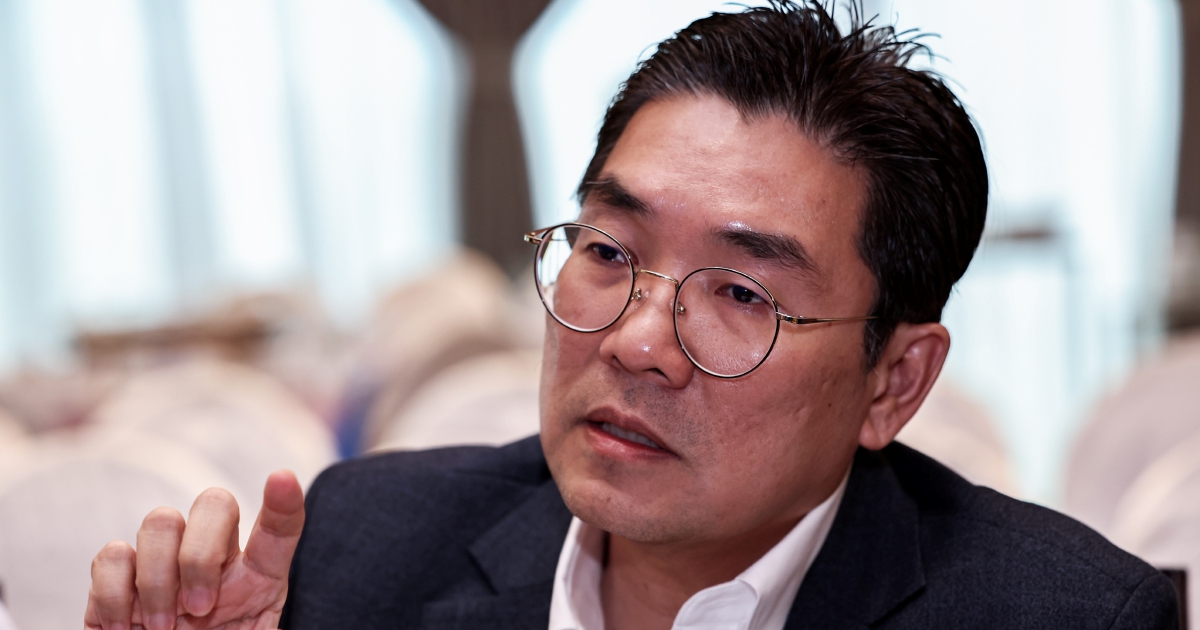
PKR's strategy director Sim Tze Tzin has moved to quash speculation about internal friction within the party, declaring that the multiracial coalition operates under singular leadership and maintains strong organisational coherence. Speaking in George Town, Sim emphasised that Datuk Seri Anwar Ibrahim, in his dual capacity as party president and Prime Minister, commands the full backing of the party machinery without any structural tension or leadership challenges.
The reassurance comes at a time when Malaysian political parties often face scrutiny regarding factional divisions and competing power centres. PKR, as a reform-minded party that has evolved significantly since its founding in 1998, has occasionally experienced public speculation about potential rivalries among senior figures. Sim's statement appears designed to counter any narrative suggesting that the party struggles with internal governance or competing visions for its direction.
The emphasis on singular leadership reflects a deliberate messaging strategy aimed at projecting stability to both party members and the broader electorate. In Malaysian politics, where coalition governments depend heavily on trust and unity, any perception of weakness within a component party can undermine confidence in the administration. By publicly affirming Anwar's unquestioned position, PKR leadership seeks to reassure stakeholders that decision-making authority flows clearly from the top without dilution or contestation.
Under Anwar's stewardship since assuming the party presidency, PKR has undergone significant institutional reorganisation. The party has expanded its presence in previously weak electoral territories and developed more sophisticated campaign infrastructure. Sim's comments suggest that this modernisation effort has not created competing centres of influence, but rather strengthened the chain of command and party discipline.
For Malaysian readers, understanding PKR's internal dynamics carries implications for national political stability. As the largest component party within the governing Pakatan Harapan coalition, PKR's cohesion directly affects the government's legislative strength and policy implementation capacity. A fractured PKR could threaten coalition mathematics in Parliament, particularly given the narrow margins that characterise contemporary Malaysian politics following the 2022 general election.
The statement also reflects PKR's positioning as it navigates complex coalition politics involving DAP, Amanah, and other partners. Each component party jostles for influence over policy priorities and resource allocation. PKR's demonstration of internal unity becomes a negotiating asset in these inter-party discussions, signalling that the party can deliver on commitments and maintain discipline among its MPs and assemblypersons.
Sim Tze Tzin himself represents the younger generation of PKR leadership that emerged prominently following the party's 2018 electoral breakthrough. His role as strategy director positions him at the intersection of party organisation and public messaging. His comments therefore carry the weight of institutional authority rather than representing merely personal opinion about party dynamics.
Critically, the reaffirmation of single leadership addresses a phenomenon common across Malaysian political formations, where ambitious figures sometimes position themselves as potential successors or alternatives to incumbent leaders. By establishing clarity about Anwar's unchallenged position, PKR preemptively manages any such dynamics that might otherwise surface in media coverage or backroom discussions.
The timing of such public statements matters considerably in Malaysian politics. Whether prompted by specific internal concerns or simply routine reaffirmation of party discipline, Sim's declaration serves to establish the official narrative about PKR's governance structure. This narrative becomes important during parliamentary sessions, coalition meetings, and public discourse about the government's direction and stability.
For Southeast Asian observers monitoring Malaysian political developments, PKR's emphasis on cohesion under centralised leadership demonstrates a broader pattern among ruling parties across the region. Strong central authority combined with party discipline represents the preferred model for ensuring legislative stability and policy implementation, despite the challenges this sometimes poses to internal democratic processes within party structures.
Moving forward, maintaining this projected unity will require careful management of various competing interests within PKR's diverse membership, which spans different demographic groups, geographic regions, and ideological perspectives within the broader reformist spectrum. Sim's statement essentially sets expectations that such management will occur smoothly and without public manifestation of internal tensions that could undermine the party's image or the government's legislative capacity.

