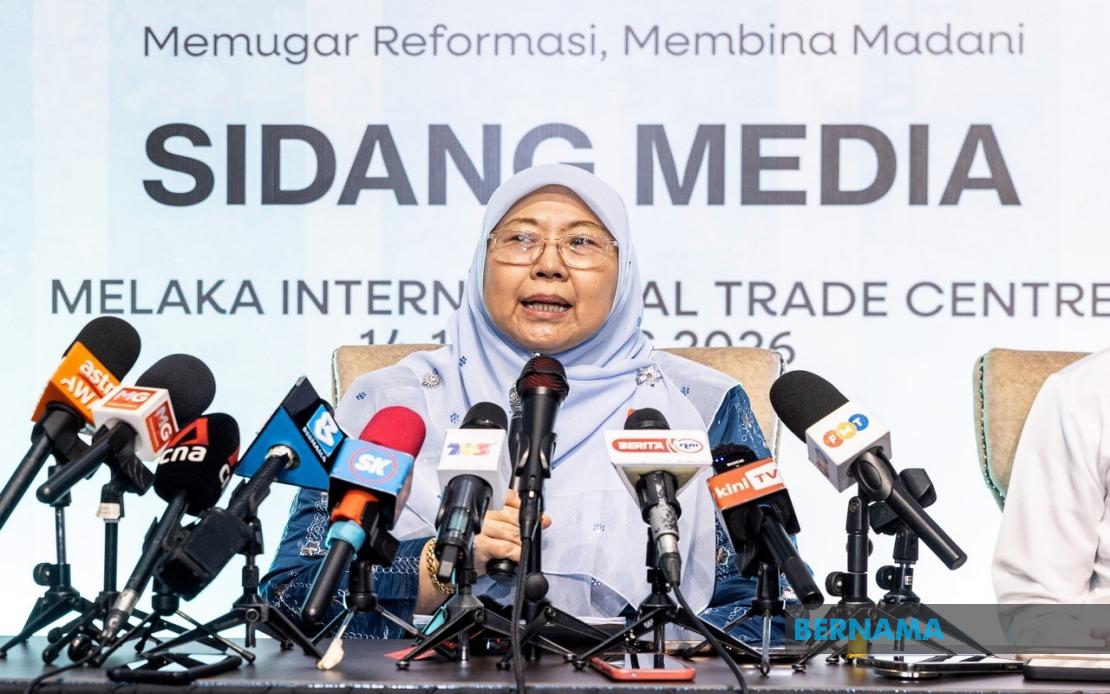
Parti Keadilan Rakyat has adopted a flexible approach regarding deputy president Nurul Izzah Anwar's planned absence from party duties, declining to impose any specific timeframe for her leave as she pursues additional educational qualifications. PKR secretary-general Senator Datuk Dr Fuziah Salleh made this announcement during the 2026 National Congress of Angkatan Muda Keadilan and Wanita PKR in Melaka, signalling the party's pragmatic stance toward accommodating its senior leadership's personal development goals.
The flexibility extended to Nurul Izzah reflects a broader understanding within PKR's upper echelon that professional growth and continued education contribute positively to the party's long-term capacity building. Fuziah emphasised that the party maintains an open-door policy for the deputy president's eventual return, framing the arrangement as a temporary transition rather than a permanent departure from her role. This stance demonstrates PKR's commitment to retaining its senior figures while enabling them to enhance their qualifications and expertise outside the immediate demands of party administration.
Nurul Izzah will remain fully engaged in her duties through the conclusion of the three-day National Congress, a substantial commitment that underscores her dedication to completing her responsibilities before commencing her leave. During this final period of active participation, she will oversee several significant ceremonial and procedural functions, including the official inauguration of the AMK and Wanita PKR congress sessions, moderation of key debates among delegates, and delivery of the closing remarks that traditionally summarise conference outcomes and party direction. This gradual transition approach minimises disruption to the party's operations and ensures institutional continuity during a period of leadership change.
The timing of Nurul Izzah's educational pursuit coincides with PKR's broader institutional renewal efforts, as reflected in the party leadership's focus on structural reforms and organisational strengthening. Fuziah indicated that PKR president's keynote address during the National Congress would comprehensively outline the party's ideological direction, strategic objectives, and commitment to modernising its governance structures. This convergence of personal development and institutional reform suggests that the party views individual advancement among leadership cadres as complementary to systemic improvements aimed at enhancing PKR's overall effectiveness and democratic functioning.
For Malaysian politics observers, Nurul Izzah's decision carries particular significance given her prominent profile as one of the country's most visible female political figures and the daughter of PKR president Anwar Ibrahim. Her temporary stepping back from active duties, while maintaining formality and completing her current responsibilities, reflects evolving norms within Malaysian political parties regarding work-life balance and professional development for senior officials. This precedent may influence how other parties approach similar situations involving their leadership personnel seeking to pursue further education or training.
The National Congress itself has become a focal point for PKR's ongoing internal dialogue about strengthening party structures and refining institutional procedures. Fuziah noted that the congress provides an open forum for ordinary delegates to propose motions addressing party concerns, including proposals designed to enhance organisational cohesion and operational efficiency. This delegate-driven agenda-setting process suggests that PKR is utilising its major congress to solicit grassroots input on governance matters, potentially incorporating suggestions from party members across regional chapters and demographic wings into formal party policy revisions.
Nurul Izzah's educational leave must also be understood within the context of Southeast Asian political dynamics, where continued professional development among political leaders increasingly signals commitment to informed governance and evidence-based policymaking. Her pursuit of advanced studies aligns with broader regional trends wherein political figures seek to deepen their knowledge across policy domains relevant to their party's platforms and governing agenda. For PKR specifically, this demonstrates investment in building intellectual capacity within its leadership structure, potentially positioning the party to engage more effectively in complex policy debates surrounding economic development, social reform, and institutional strengthening.
The party's decision to avoid specifying a return date introduces an element of flexibility that could extend anywhere from several months to several years, depending on the nature and duration of Nurul Izzah's educational programme. This open-ended arrangement contrasts with more rigid administrative leave policies common in government service, reflecting PKR's positioning as a political party capable of accommodating member aspirations beyond strict institutional timelines. Such flexibility may serve as a recruitment and retention advantage for PKR, signalling to ambitious political figures that the party respects personal development alongside collective organisational objectives.
Fuziah's comments at the Melaka International Trade Centre venue underscored the party's confidence in its institutional depth and capacity to manage deputy presidential duties in Nurul Izzah's absence. PKR's willingness to accommodate this leave without appointing an interim deputy president or establishing formal succession arrangements suggests confidence in the party's existing administrative structures and the distributed responsibilities of its central leadership council. This approach avoids creating competing power centres or diminishing the significance of the deputy president role through temporary delegation.
The announcement also merits attention regarding gender representation in Malaysian politics, where female political leaders pursuing advanced qualifications while maintaining senior party positions remains relatively uncommon. Nurul Izzah's ability to negotiate such an arrangement reflects her standing within PKR and potentially sets a precedent for how Malaysian political parties handle similar requests from female and male senior officials seeking to pursue further education. This development may gradually shift expectations within political organisations toward supporting leadership development initiatives independent of active party duties.
Looking ahead, the unconditional welcome extended to Nurul Izzah's eventual return maintains her position within PKR's leadership hierarchy and preserves her authority within the party structure regardless of how long her educational pursuit extends. This arrangement allows her to pursue her studies without anxiety regarding loss of standing or difficulty re-integrating into leadership roles upon completion. For PKR, maintaining this positive relationship with one of its most prominent figures strengthens internal cohesion and demonstrates the party's maturity in balancing individual aspirations with collective institutional needs, potentially enhancing its appeal to educated professionals considering political engagement.

