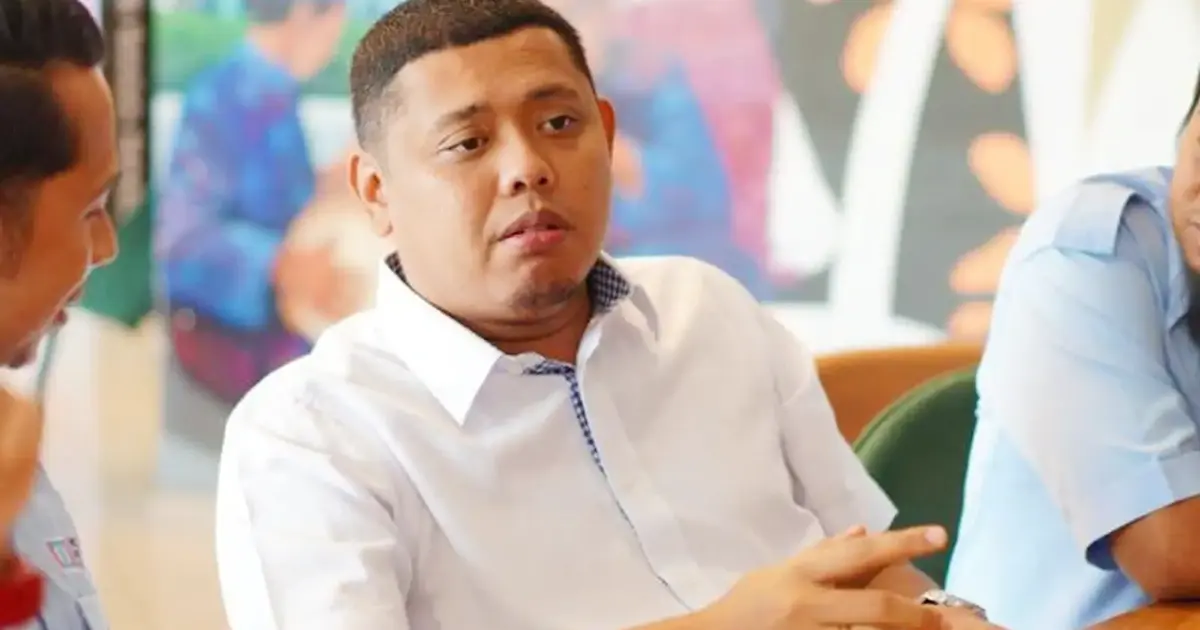
A prominent PKR figure in Selangor has reignited internal debate within the party over its electoral strategy and brand identity, arguing that the Reformist party should campaign under its own logo rather than relying on coalition symbols, with the upcoming Melaka state elections serving as the ideal platform to test this approach. Ahmad Danish Hairudin, a delegate from the state branch, contends that PKR's performance in the 2018 general election demonstrates the party's capacity to defeat entrenched political opponents independently, making the case for a shift in campaign positioning that could reshape how the party presents itself to voters.
The delegate's intervention touches on a recurring tension within PKR's political strategy—the balance between leveraging coalition strength through unified branding and asserting the party's distinct identity and voter appeal. Throughout its history, PKR has navigated complex partnerships with Umno's rivals, and the question of whether coalition politics serves the party's long-term interests remains contentious among its leadership and grassroots membership. The 2018 election victory, which saw the party play a central role in toppling Umno's three-decade dominance, provides historical validation for those who believe PKR possesses substantial independent electoral capital.
Melaka's political landscape presents a testing ground for such strategic recalibration. The state has been a flashpoint of political volatility since 2018, with leadership transitions and coalition shifts creating uncertainty about voter preferences and the durability of support networks established in recent cycles. Using Melaka as an experimental venue for alternative branding would allow PKR to assess whether its own logo carries sufficient resonance among voters to justify a broader departure from coalition-centric approaches in future contests. The results would offer valuable data about the party's standalone viability and the extent to which voters distinguish between PKR's messaging and that of larger coalition partners.
Within Malaysia's political context, the question of party branding carries implications beyond mere symbolism. Coalition logos often dilute individual party identity, particularly for smaller components within larger alliances, and can obscure the specific contributions or policy positions of individual parties. For a party like PKR, which has invested considerably in building a reformist image and cultivating a distinct voter base, the argument for reclaiming visual prominence on campaign materials reflects broader questions about political agency and brand distinction in an increasingly crowded electoral marketplace.
The timing of this proposal also reflects PKR's evolving position within ruling coalitions. As the party has occupied senior positions within government structures, including the premiership in several states, there may be growing confidence that PKR no longer requires the protective umbrella of coalition branding to establish credibility or win office. This shifting calculus—from challengers dependent on coalition unity to established power holders capable of independent appeal—naturally prompts reconsidering electoral strategy and presentation.
Yet Ahmad Danish Hairudin's intervention will likely trigger countervailing arguments within PKR regarding the value of coalition cohesion and the risks of fragmenting voter messaging across multiple party symbols. Coalition partners depend on unified branding to concentrate support and prevent splitting the opposition vote, a consideration that becomes particularly acute in tight contests. The party leadership will need to weigh the potential boost to PKR's distinct identity against the possibility of inadvertently strengthening rival candidates through diluted opposition messaging.
The 2018 general election precedent cited by the delegate requires careful interpretation. While PKR indeed contested under its own logo then, the broader political environment—marked by unprecedented anti-Umno sentiment and intense public engagement with electoral choice—differed substantially from conditions in typical state elections. Replicating that performance under different circumstances remains uncertain, and state elections often feature distinct voter priorities and dynamics compared to national contests.
From a Southeast Asian perspective, PKR's strategic deliberation reflects broader trends across the region regarding how political parties balance coalition participation with maintaining distinctive identities. In countries like Indonesia, Thailand, and the Philippines, similar tensions between alliance unity and individual party branding shape electoral outcomes and coalition stability. Malaysia's experience with these questions offers insights into how parties navigate the competing demands of cooperation and differentiation in multi-party democracies.
For Malaysian voters, this debate ultimately concerns which electoral signals provide the clearest information about party positioning and performance. Whether campaign materials prominently feature PKR's own branding or emphasize broader coalition identity affects how citizens process political messaging and make voting decisions. The Melaka elections, should the party decide to pursue this experimental approach, would serve as an important indicator of whether voters respond more favorably to distinct party identity or prefer the consolidated messaging that coalition logos provide.
PKR's central leadership has not formally endorsed this rebranding proposal, and the suggestion remains one voice within ongoing internal discussions about optimal electoral strategy. However, by raising the question publicly, Ahmad Danish Hairudin has placed brand identity and political agency at the forefront of party conversations, forcing deliberation about fundamental assumptions regarding how PKR best deploys its electoral resources and builds voter support. The coming weeks will reveal whether this argument gains traction within party ranks or remains a minority position within broader coalition strategy.

