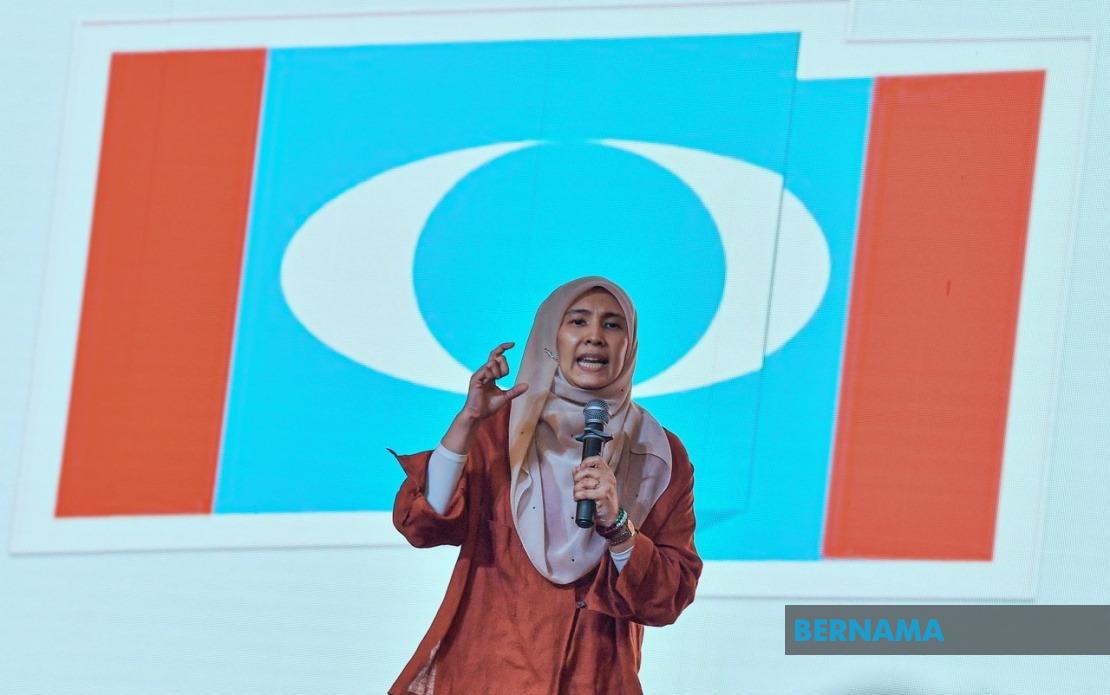
The PKR Central Leadership Council has granted Deputy President Nurul Izzah Anwar a temporary leave of absence from her position, marking a significant transition in the Pakatan Harapan coalition's largest party. The decision, announced by PKR Information Chief Datuk Seri Fahmi Fadzil, came following deliberations at a meeting of the party's top decision-making body and will take effect once the 2026 PKR National Congress concludes later this month. No specific date for the end of the leave period has been publicly disclosed, leaving open the possibility that circumstances or party dynamics may influence her eventual return to the role.
Fahmi, who holds the dual position of Communications Minister, explained that the council had carefully considered Nurul Izzah's formal request to step down temporarily from the deputy presidency. The decision reflects what party sources characterise as a mutual understanding between the leadership and Nurul Izzah herself, suggesting that her request was neither contentious nor unexpected within party circles. The timing of the announcement, coming just weeks before the critical National Congress gathering, underscores the importance PKR places on maintaining organisational stability during this transitional period.
Saifuddin Nasution Ismail, the party's Vice-President, will manage the responsibilities of the deputy presidency on an interim basis pending the resolution of outstanding matters. This arrangement preserves the existing leadership structure while allowing Nurul Izzah space to focus on other commitments or personal priorities that prompted her request. Saifuddin's elevation, though temporary, positions him prominently within PKR's hierarchy and may influence succession discussions within the party over the coming months.
Nurul Izzah will retain ceremonial responsibilities in the immediate term, scheduled to officiate the PKR Women's and Youth Wing congresses on August 14 before the main National Congress convenes in Melaka on August 15 and 16. This arrangement allows her to complete important symbolic duties related to the party's grassroots wings, ensuring continuity of women's and youth engagement during a key organisational moment. Her participation in these congresses signals that her departure from the deputy presidency, while significant, does not represent a complete withdrawal from party affairs.
The council simultaneously approved a restructuring of the party's election machinery, designating Vice-President Amirudin Shari as the full-time PKR Election Director. This administrative change consolidates electoral strategy and coordination under a single senior leader, potentially streamlining decision-making processes ahead of future electoral contests. With national elections likely to be contested within the next two years, the appointment reflects PKR's determination to strengthen its campaign infrastructure and ensure cohesive messaging across party divisions.
Beyond the deputy presidency matter, the leadership council addressed the outcomes of recent state-level electoral contests in Johor and Negeri Sembilan, accepting and respecting the results of both polls. The party recognised the contributions of campaign workers and volunteers who mobilised support during these contests, demonstrating its commitment to morale maintenance within the grassroots membership. The council specifically commended former Negeri Sembilan Menteri Besar Datuk Seri Aminuddin Harun for his stewardship through two complete terms, a gesture that honours his political legacy and potentially signals goodwill towards other senior figures navigating transitions within the party.
The MPP also formally admitted 3,533 new members who had registered through an online application process between mid-July and August, continuing PKR's expansion drive. This intake of fresh membership reflects ongoing efforts to broaden the party's base and potentially rejuvenate its organisational capacity at grassroots levels. The scale of new recruitment, conducted entirely through digital channels, indicates PKR's modernisation of membership administration and may provide flexibility in managing party finances and engagement.
Nurul Izzah's temporary leave arrives amid broader transformations affecting Malaysia's political landscape. As the daughter of Prime Minister Anwar Ibrahim, she has occupied a prominent position within PKR's power structure, yet her absence from the formal deputy presidency may create opportunities for other leaders to consolidate influence or demonstrate capability. The decision to characterise her departure as temporary rather than permanent leaves the door open for her eventual reinstatement, preserving her claims to high office whilst respecting her current priorities or constraints.
For Malaysian observers tracking PKR's internal dynamics, this transition illustrates the delicate balance the party must maintain between honouring seniority and family connections on one hand, and creating space for emerging leaders to establish credibility on the other. Saifuddin Nasution's interim role provides a test of his capacity to manage deputy-level responsibilities, potentially influencing how the party structures its leadership elections or appointments in the future. The acceptance of these changes without apparent rancour or public dispute suggests a degree of consensus within the council, though underlying tensions around succession or strategic direction may resurface during or after the National Congress.
As PKR approaches its National Congress, these administrative changes will likely set the tone for broader strategic discussions about the party's direction, its positioning within Pakatan Harapan, and its preparations for the 2026 general election. The depth of organisational restructuring—touching the deputy presidency, the election directorate, and membership expansion simultaneously—suggests that party leadership is undertaking a deliberate recalibration of its institutional capacity and personnel deployment. How successfully these transitions are implemented will shape PKR's effectiveness as both a governing party and an opposition watchdog over the coming election cycle.

