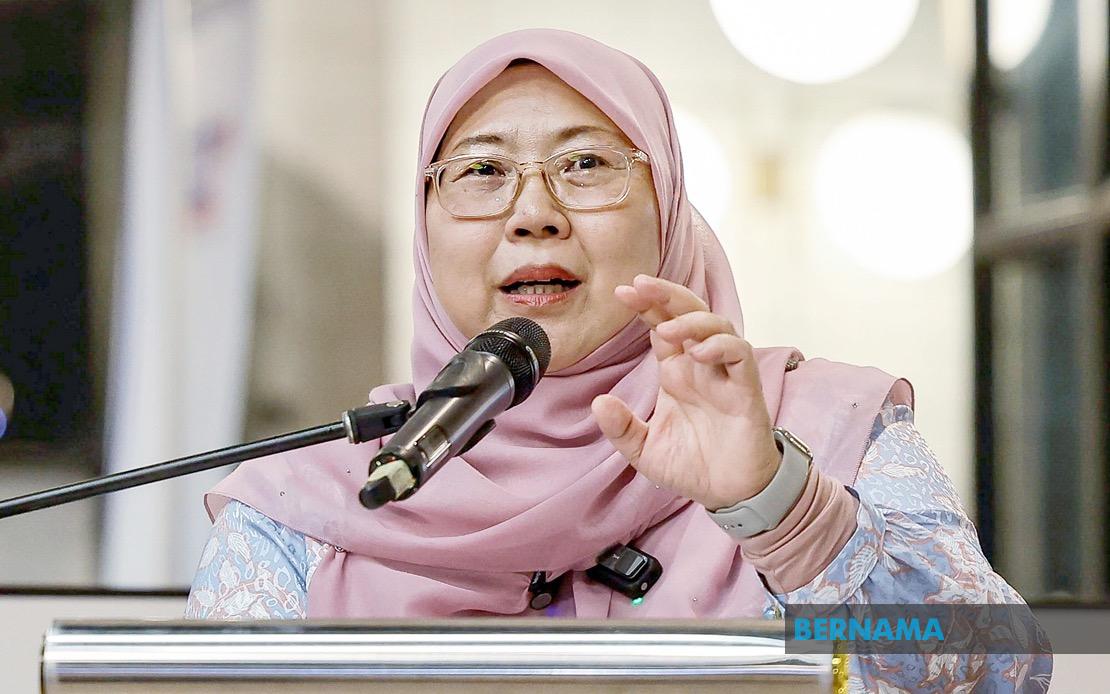
PKR and Pakatan Harapan have reaffirmed their commitment to respecting the strategic autonomy of coalition partners ahead of the 16th Negeri Sembilan State Election, even as internal differences on campaign approaches surface during the lead-up to voting. The statement comes amid the broader push to unite the opposition-turned-ruling coalition across the 36-seat state assembly, with elections set for August 1 following the dissolution of the previous assembly on June 5.
Datak Dr Fuziah Salleh, PKR secretary-general and Deputy Domestic Trade and Cost of Living Minister, articulated the party's position that while individual parties retain the freedom to chart their own electoral strategies, all political decisions must ultimately be anchored to the welfare and aspirations of Negeri Sembilan residents. This framing suggests an attempt to balance internal coalition tensions with a unified external message, a delicate equilibrium that ruling coalitions must maintain to avoid appearing fractured before voters.
The emphasis on people-centric issues marks PKR's attempt to set the agenda for Negeri Sembilan politics beyond mere inter-party negotiations. Fuziah outlined a comprehensive platform centring on cost of living concerns, creating economic opportunities, equitable spatial development, and institutional transparency and integrity. These thematic priorities reflect broader national preoccupations that have dominated Malaysian political discourse since inflation and economic hardship emerged as persistent voter concerns following the post-pandemic recovery period.
For Negeri Sembilan specifically, these issues carry particular weight. The state has historically depended on tin mining, agriculture, and light manufacturing, sectors vulnerable to commodity price fluctuations and global supply chain disruptions. Rising living costs have squeezed middle and lower-income households in urban centres like Seremban and Nilai, while rural areas grapple with infrastructure deficits and limited employment diversification. PKR's focus on balanced development addresses longstanding grievances about resource concentration in peninsular economic corridors.
Fuziah's reference to "the art of the possible" when discussing political strategy differences reveals an underlying pragmatism within Pakatan Harapan. In Malaysian state elections, coalitions frequently encounter situations where seat allocation disputes, local power dynamics, or incumbent advantages force compromises that may not satisfy all partners equally. By normalising such differences as inevitable features of electoral competition rather than signs of dysfunction, PKR attempts to preempt criticism that coalition discord undermines governance credibility.
The timeline for the Negeri Sembilan election is compressed. Early voting occurs July 28, with the main polling on August 1, giving campaigns limited weeks to mobilise grassroots support and shape voter sentiment. This brevity typically advantages incumbents with established party machinery and sitting representatives with local visibility. For Pakatan Harapan, controlling Negeri Sembilan is strategically important to maintaining momentum in the state sphere and demonstrating continued electoral viability beyond federal government formation.
PKR's injunction that party machinery remain "focused, disciplined and work with full determination" suggests underlying concerns about factional tensions or candidate dissatisfaction. In Malaysian politics, state elections often expose internal party grievances previously suppressed by the demands of federal coalition management. The explicit call for discipline implies leadership awareness that some party members may pursue parochial interests at the coalition's expense, whether through cross-party coordination or voter messaging that emphasises local identity over broader platform alignment.
Defending the Pakatan Harapan mandate in Negeri Sembilan carries implications beyond the state itself. The coalition holds the federal government, and perceived weakness in state elections—whether through lost seats or reduced majorities—can embolden opposition parties and undermine the administration's claims to retain voter confidence. State elections thus serve as barometers of federal government health, and a strong performance in Negeri Sembilan would provide valuable political momentum as the coalition manages ongoing governance challenges.
The coalition's framing around "transparent governance with integrity" appears particularly calibrated for Malaysian voters fatigued by decades of allegations regarding corruption and institutional capture. PKR, as a party that emerged partly from anti-corruption activism, maintains this as a core identity marker. Embedding transparency commitments into Negeri Sembilan campaign messaging reinforces the broader narrative that Pakatan Harapan represents institutional reform relative to predecessor administrations.
However, the statement's careful neutrality regarding specific inter-party disagreements leaves many questions unresolved. Which parties have divergent strategies, and in what respects? Are disagreements about seat allocation, campaign messaging, or candidate selection? The studied vagueness suggests leadership preference to contain such discussions within coalition backchannels rather than air them publicly, a standard practice aimed at projecting unity to voters while preserving space for negotiation among party elites.
For regional observers and Malaysian business interests, the Negeri Sembilan election outcome will provide insights into whether Pakatan Harapan can consolidate support or faces erosion. The state's position within the central region and its historical political volatility make it a bellwether for broader coalition performance. A successful defence of the PH mandate would suggest continued voter acceptance of the federal government's direction, while losses might signal emerging cracks in the coalition's electoral coalition.

