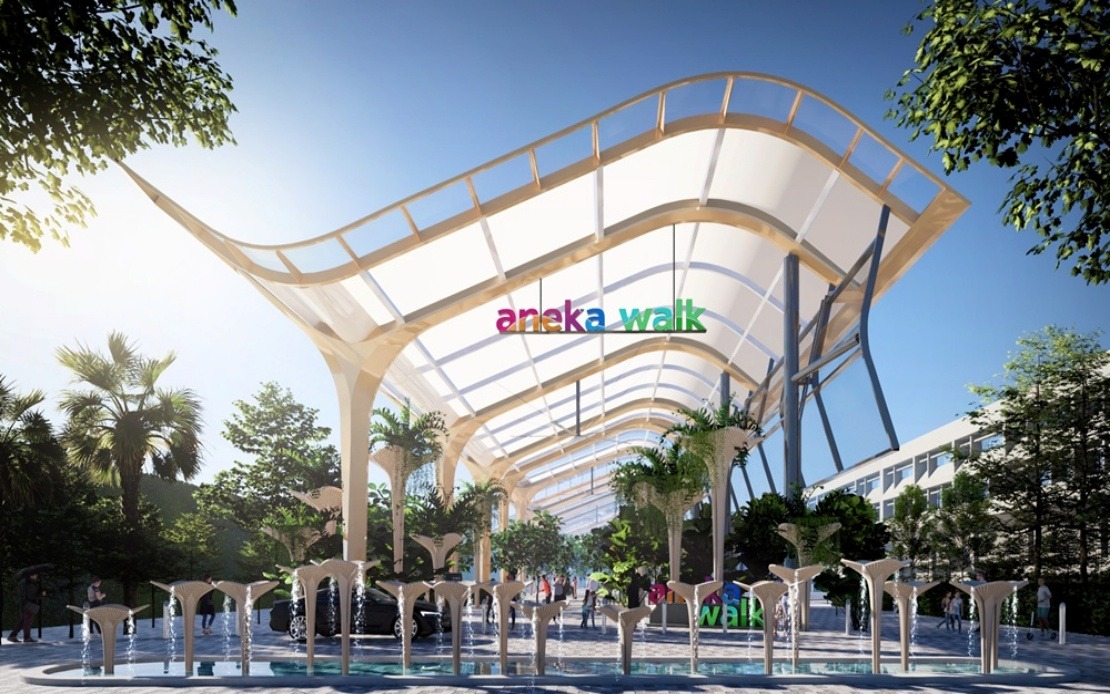
The Selangor State Development Corporation (PKNS) is preparing to transform Aneka Walk in Shah Alam into a vibrant footballing destination later this month by hosting a mammoth public screening of the FIFA World Cup 2026 final. Running continuously from 5 pm on July 19 through 5 am on July 20, the PKNS Homes Final World Cup 2026 Mega Live event aims to bring the world's greatest football spectacle directly to the heart of the city, capitalising on the global excitement surrounding the tournament's climactic match.
The 12-hour extravaganza is designed as far more than a simple broadcast experience. PKNS anticipates attracting approximately 1,000 visitors who will gather to witness the championship encounter in what the corporation describes as a festive atmosphere enriched by multiple entertainment layers. By weaving together sports, entertainment, lifestyle components, and entrepreneurial opportunities into a single cohesive event, PKNS has created a blueprint for public space activation that extends well beyond traditional match viewings.
Organised in partnership with Selangor FC, the initiative reflects a growing trend among Malaysian property and development entities to leverage major sporting occasions as catalysts for community engagement and urban revitalisation. This collaborative approach allows both organisations to tap into the enormous emotional investment that football generates whilst simultaneously serving broader commercial and social objectives. The venue selection at Aneka Walk within the SA Sentral development project indicates a deliberate strategy to reposition the location as a dynamic social destination rather than simply a retail or residential space.
Visitors arriving from the early evening onwards will discover a multifaceted entertainment ecosystem rather than rows of chairs facing screens. E-sports tournaments will provide competitive gaming experiences for those seeking interactive rather than passive engagement. Interactive games and lucky draw opportunities promise moments of excitement and potential rewards throughout the evening. Critically, the scheduled meet-and-greet sessions with Selangor FC players inject a distinctly local football dimension, allowing fans to engage with representatives of Malaysian football's premier club and creating memorable experiences that transcend the World Cup itself.
The gastronomic component proves equally significant. Multiple food stalls will cater to the culinary needs of thousands gathered throughout the night, creating economic opportunities for vendors whilst ensuring attendees can sustain themselves through the extended hours. This integration of food and beverage services transforms what might otherwise be a stationary viewing exercise into a comprehensive lifestyle experience where social interaction, dining, and entertainment intertwine naturally.
For corporate Malaysia, the event architecture opens meaningful brand-building pathways. Exhibition booths and promotional activities enable companies and strategic partners to reach engaged audiences in a relaxed, entertainment-focused context where consumer receptivity typically runs high. The explicit emphasis on corporate participation and direct community engagement suggests that PKNS envisions this screening as a platform where businesses can authentically connect with customers beyond traditional advertising channels, potentially yielding stronger brand affinity than conventional marketing approaches.
The timing warrants consideration. The FIFA World Cup 2026 final commences at 3 am Malaysian time on July 20, reflecting the tournament's North American host venues' time zones. By commencing festivities at 5 pm the preceding evening, PKNS has engineered a complete overnight experience where community members can transition gradually into the match's midnight hours, building anticipation and maintaining energy levels through strategic entertainment programming. This sequencing demonstrates sophisticated event management thinking.
The initiative aligns squarely with PKNS's stated commitment to revitalising Aneka Walk as an active community hub. Rather than allowing commercial spaces to function primarily during conventional business hours, PKNS is piloting an extended-hours activation model that positions public venues as legitimate destinations for evening and overnight recreation. This conceptual shift carries implications for how Malaysian cities might evolve their urban centres, potentially encouraging property developers nationwide to consider similar programming that transforms static locations into dynamic social spaces.
Footfall generation represents another crucial dimension. By creating a compelling reason for residents to visit during hours when foot traffic typically diminishes, PKNS achieves multiple objectives simultaneously: increased commercial activity for tenants, enhanced security through increased presence, improved community perception of the venue as vibrant and welcoming, and stronger local economic stimulation. These interconnected benefits explain why major sporting events increasingly attract investment and programming attention from property companies.
The broader context of Malaysian football enthusiasm provides fertile ground for such initiatives. Despite the Malaysian national team's limited World Cup presence, the sport commands extraordinary emotional investment across all demographic segments. By channelling this passion into a community-focused event at a commercial location, PKNS taps into genuine interest whilst creating positive associations between its brand and cultural moments that matter to residents. This represents sophisticated place-making strategy.
For Shah Alam residents, the event offers rare opportunity to experience the World Cup final's climactic moment within a curated environment designed explicitly for collective enjoyment. Rather than isolating individually at home or in restaurants, participants can share the occasion with a diverse cross-section of the community, fostering social connections and creating shared memories around a globally significant sporting moment. This communal dimension addresses fundamental human desires for belonging and shared experience that extend beyond the football itself.
The PKNS initiative also signals how Malaysian organisations are increasingly recognising that major international sporting events present opportunities for strategic value creation beyond passive consumption. By combining entertainment infrastructure, retail opportunity, community programming, and cultural engagement into integrated experiences, PKNS demonstrates that thoughtful event curation can generate simultaneous benefits for developers, local businesses, corporate partners, and residents. As global sporting calendars expand and communities seek more meaningful public engagement opportunities, this model may increasingly influence how Malaysian cities programme their spaces and activate their commercial destinations.

