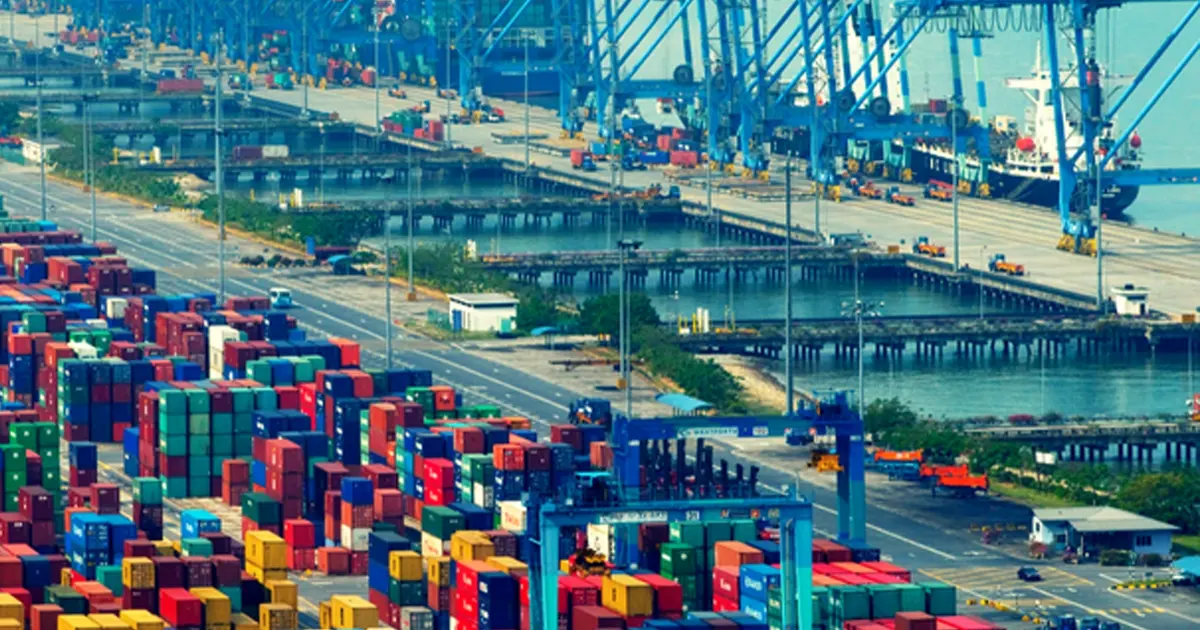
The Port Klang Free Zone (PKFZ) has demonstrated tangible signs of recovery, recording RM108 million in revenue as part of an ongoing reactivation programme that has now reached 86% completion. Transport Minister Loke Siew Fook highlighted the achievement during recent commentary on the facility's performance, characterising the past 18 months as a period of steady and encouraging growth. The milestones represent a significant turnaround for the zone, which had faced operational challenges and required substantial restructuring efforts.
The reactivation initiative encompasses comprehensive efforts to restore functionality across the sprawling 228-hectare facility at Port Klang. Beyond mere financial metrics, the 86% completion rate signals that physical infrastructure rehabilitation, tenant engagement, and operational systems have been substantially remedied. This measured progress reflects a phased approach rather than an attempt at rapid overhaul, allowing the facility to stabilise operations while absorbing returning and new tenants into its ecosystem. The strategy aligns with Malaysia's broader port modernisation objectives, positioning Klang as a critical trade and logistics hub within Southeast Asia's supply chain networks.
Revenue generation of RM108 million underscores growing commercial activity within the zone's operational footprint. This figure becomes more meaningful when contextualised against previous periods of stagnation or underperformance that prompted the reactivation push. The revenue stream derives from multiple sources: warehouse leasing, logistics services, value-added manufacturing operations, and customs-related processing fees. The diversity of income streams suggests that PKFZ is successfully attracting varied tenant profiles, from established multinational corporations to regional trading enterprises seeking cost-effective Malaysian bases.
The transportation minister's optimistic assessment reflects government confidence in the port authority's management capabilities following earlier institutional reforms. Successive management teams implemented stricter governance frameworks, enhanced transparency in tenant allocation, and invested in digital infrastructure to streamline port operations. These foundational changes have created conditions enabling PKFZ to compete more effectively against regional free zones in Singapore, Thailand, and Indonesia. For Malaysian exporters and importers, improved PKFZ operations translate into reduced logistics costs and faster cargo handling, potentially enhancing competitiveness in regional trade.
The 18-month performance window provides meaningful data on whether reactivation strategies are yielding sustainable outcomes rather than temporary gains. Consistent growth over this extended period suggests that tenant confidence has genuinely returned, with businesses committing to long-term operations rather than transitory arrangements. This stability is crucial for Port Klang's continued development as a regional logistics nexus, particularly as supply chain disruptions force companies to reassess geographic diversification of their distribution networks.
MALAYSIA's position within global trade architecture depends significantly on port efficiency and competitive logistics infrastructure. PKFZ's recovery becomes particularly relevant given growing regional competition and the increasing importance of e-commerce logistics networks that demand sophisticated warehousing and distribution capabilities. The zone's reactivation directly supports Malaysia's aspirations to position itself as Southeast Asia's preferred trade and investment destination, especially for supply chain operations serving ASEAN markets.
Tenant utilisation patterns emerging during this reactivation phase will determine PKFZ's trajectory over the coming years. If the 86% completion represents activation of physical spaces alongside genuine commercial engagement, the facility possesses capacity to absorb further demand from regional trade expansion. Conversely, if completion percentages reflect infrastructure readiness without corresponding tenant commitment, growth may plateau unless marketing efforts and incentive structures intensify to attract additional operators.
The financial health of PKFZ carries implications for the broader Port Klang ecosystem, which encompasses multiple terminals, ancillary services, and support industries. A thriving free zone generates multiplier effects throughout the port complex, encouraging investment in complementary services such as customs brokerage, freight forwarding, and specialised logistics technology firms. These satellite businesses create employment and value-added services that enhance Port Klang's overall competitiveness against rival regional ports.
Looking forward, PKFZ's demonstrated recovery provides a foundation for pursuing higher-order objectives. The facility could potentially enhance specialisation in sectors such as high-technology manufacturing, pharmaceutical logistics, or automotive supply chain operations, which command premium rental rates and attract sophisticated tenant profiles. Investment in digital infrastructure—including IoT tracking systems, AI-enabled inventory management, and blockchain-based documentation—could further differentiate PKFZ from regional competitors.
Government support for port infrastructure modernisation reflects recognition that logistics competitiveness increasingly determines Malaysia's broader economic attractiveness to foreign direct investment. Transport Minister Loke Siew Fook's emphasis on PKFZ's progress signals sustained commitment to resolving institutional and operational challenges that previously undermined the facility's performance. The convergence of improved management, infrastructure investment, and growing tenant activity suggests that PKFZ's recovery narrative may be transitioning from crisis management toward sustainable growth.
The RM108 million revenue figure and 86% reactivation completion, while positive indicators, represent waypoints rather than endpoints in PKFZ's revitalisation journey. Sustaining momentum will require continued investment in operational excellence, market-responsive facility development, and strategic positioning within evolving Southeast Asian trade patterns. Malaysia's broader port strategy depends on facilities like PKFZ functioning optimally, making ongoing performance monitoring and adaptive management essential for realising the zone's full potential within the regional logistics landscape.

%22%2F%3E%3C%2Fpattern%3E%3C%2Fdefs%3E%3Crect%20width%3D%22100%25%22%20height%3D%22100%25%22%20fill%3D%22url(%23ph3sufhg)%22%2F%3E%3Crect%20width%3D%22100%25%22%20height%3D%22100%25%22%20fill%3D%22url(%23ph3sufhp)%22%2F%3E%3Ctext%20x%3D%2250%25%22%20y%3D%2250%25%22%20text-anchor%3D%22middle%22%20dominant-baseline%3D%22central%22%20fill%3D%22rgba(255%2C255%2C255%2C0.95)%22%20font-family%3D%22Georgia%2C%20'Times%20New%20Roman'%2C%20serif%22%20font-weight%3D%22700%22%20font-size%3D%22272%22%20letter-spacing%3D%22-0.02em%22%3EPerak%3C%2Ftext%3E%3C%2Fsvg%3E)