The Philippines will bring together ASEAN's foreign ministers and Myanmar's diplomatic leadership for a carefully orchestrated informal consultation in Bangkok on July 12, according to announcements from the Department of Foreign Affairs on Friday. This gathering represents a significant diplomatic moment for the regional bloc, as it constitutes the first face-to-face engagement at the ministerial level with Myanmar since the military seized power in February 2021. Myanmar's foreign minister, U Tin Maung Swe, will lead his country's delegation to the Thai capital for what promises to be a tense but crucial conversation about the junta's conduct and compliance with regional expectations.
The meeting carries considerable symbolic weight within ASEAN's ongoing effort to balance principle with pragmatism regarding Myanmar's political crisis. As the current chair of the ten-member organisation, Manila has been tasked with maintaining dialogue channels with Naypyidaw while simultaneously upholding ASEAN's stated commitment to the Five-Point Consensus—a framework agreed upon in April 2021 that calls for immediate cessation of violence, constructive dialogue among Myanmar's competing political actors, mediation by an ASEAN envoy, provision of humanitarian assistance, and the resumption of dialogue between the junta and the deposed civilian government led by Aung San Suu Kyi's National League for Democracy.
The informal nature of the gathering reflects the delicate diplomatic terrain ASEAN must navigate. By characterising this as an informal consultation rather than a formal ministerial meeting, the bloc attempts to maintain Myanmar's seat at the table whilst avoiding the appearance of legitimising the military regime. This distinction matters considerably in regional diplomacy, where procedural nuances often signal political positioning. The Philippines' willingness to host this engagement demonstrates Manila's commitment to keeping dialogue alive, even as the situation in Myanmar has deteriorated significantly since the coup, with armed conflict spreading across multiple regions and civilian casualties mounting.
For Southeast Asian nations, Myanmar's political trajectory carries profound implications. The country sits at a critical crossroads where mountainous borders intersect with some of the world's most complex geopolitical interests, including competing influence from China and India. A fractured or destabilised Myanmar could trigger regional instability, refugee flows, and drug trafficking that would ripple across ASEAN member states. Malaysia, Thailand, and other neighbouring countries have already absorbed significant numbers of Burmese migrants and asylum seekers fleeing the violence, placing humanitarian and security burdens on their respective governments.
The expected briefing from U Tin Maung Swe will likely paint a picture of a military leadership claiming necessity and order, whilst the assembled foreign ministers will press for tangible evidence of progress toward the Five-Point Consensus objectives. The gap between these narratives remains vast. Since the coup, Myanmar has witnessed the emergence of armed resistance groups, including the People's Defence Force, which has organised sustained opposition to military rule. The junta has responded with escalating violence, deploying air strikes and artillery against civilian areas. Humanitarian conditions have deteriorated, with displaced persons numbering in the hundreds of thousands and basic services collapsing in conflict zones.
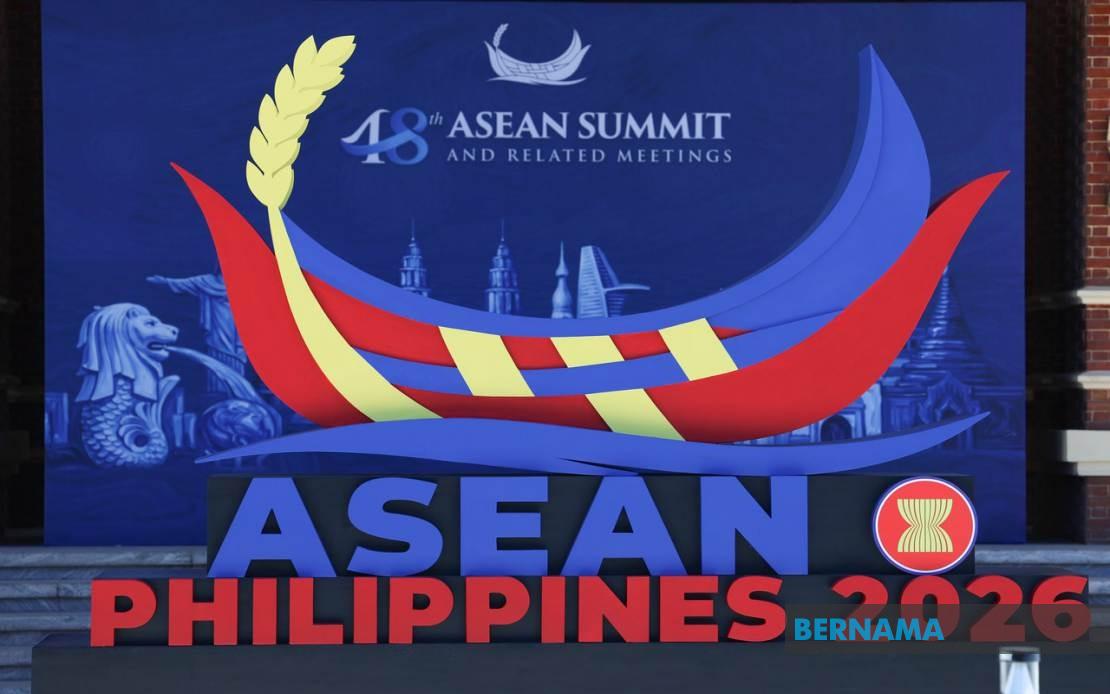
The timing of this meeting follows the 48th ASEAN Summit held in Cebu, Philippines, where regional leaders explicitly instructed their foreign ministers to maintain what they termed "constructive and principled engagement" with Myanmar. This language encapsulates the central tension within ASEAN's Myanmar policy. The bloc espouses non-interference in member states' internal affairs as a founding principle, yet it has also committed to collective standards of behaviour through the Five-Point Consensus. Myanmar's military rulers have largely disregarded these benchmarks, making the foreign ministers' task one of applying pressure without severing the relationship entirely.
For Malaysia and other ASEAN members with particular strategic interests, this informal meeting offers an opportunity to assess whether the junta shows any willingness to move toward dialogue. Malaysia has historically advocated for robust engagement within ASEAN frameworks and has served as host to various rounds of dialogue involving Myanmar's opposition figures. Thai and Singaporean interests also feature prominently, as do concerns from Indonesia and Vietnam regarding broader regional stability and the precedent Myanmar's situation sets for ASEAN's collective decision-making authority.
The conversation about humanitarian assistance will likely dominate discussions. ASEAN has attempted to channel aid into Myanmar through its Coordinating Centre for Humanitarian Assistance (AHA Centre), but junta obstruction and ongoing fighting have severely limited effectiveness. Foreign ministers will probably seek assurances from U Tin Maung Swe regarding humanitarian access, though past promises from Naypyidaw have frequently gone unfulfilled. The Rohingya crisis, which predates the coup but has worsened since, further complicates humanitarian considerations, as does the plight of displaced Muslims and other religious minorities targeted by military operations.
The Five-Point Consensus itself has become a subject of debate within ASEAN. Some member states view it as sufficiently binding to warrant stronger enforcement mechanisms, whilst others argue that implementation requires patience and sustained diplomacy. This philosophical split affects how aggressively foreign ministers will push Myanmar on specific commitments. The absence of an ASEAN special envoy with access to Myanmar's leadership has hampered efforts to broker dialogue between the junta and opposition forces, leaving the bloc's leverage somewhat limited.
From a Malaysian perspective, the outcome of this Bangkok meeting will reverberate through various policy considerations. The influx of Myanmar refugees and asylum seekers has strained Malaysia's resources and complicated its border security arrangements. Any developments that might stabilise Myanmar or reduce displacement pressures would be welcomed by Kuala Lumpur. Additionally, as a significant Southeast Asian economy and a voice within ASEAN on matters of principle, Malaysia will be monitoring whether this informal engagement signals a shift toward tougher stances or a continuation of the status quo of dialogue without meaningful pressure.
Ultimately, this informal gathering represents ASEAN's recurring challenge in addressing Myanmar: how to preserve regional cohesion and maintain a critical voice without pushing Naypyidaw further into isolation or toward alternative partnerships. The meeting will likely produce diplomatic language reaffirming commitment to the Five-Point Consensus, but whether it translates into concrete behavioural changes from Myanmar's military leadership remains deeply uncertain.

