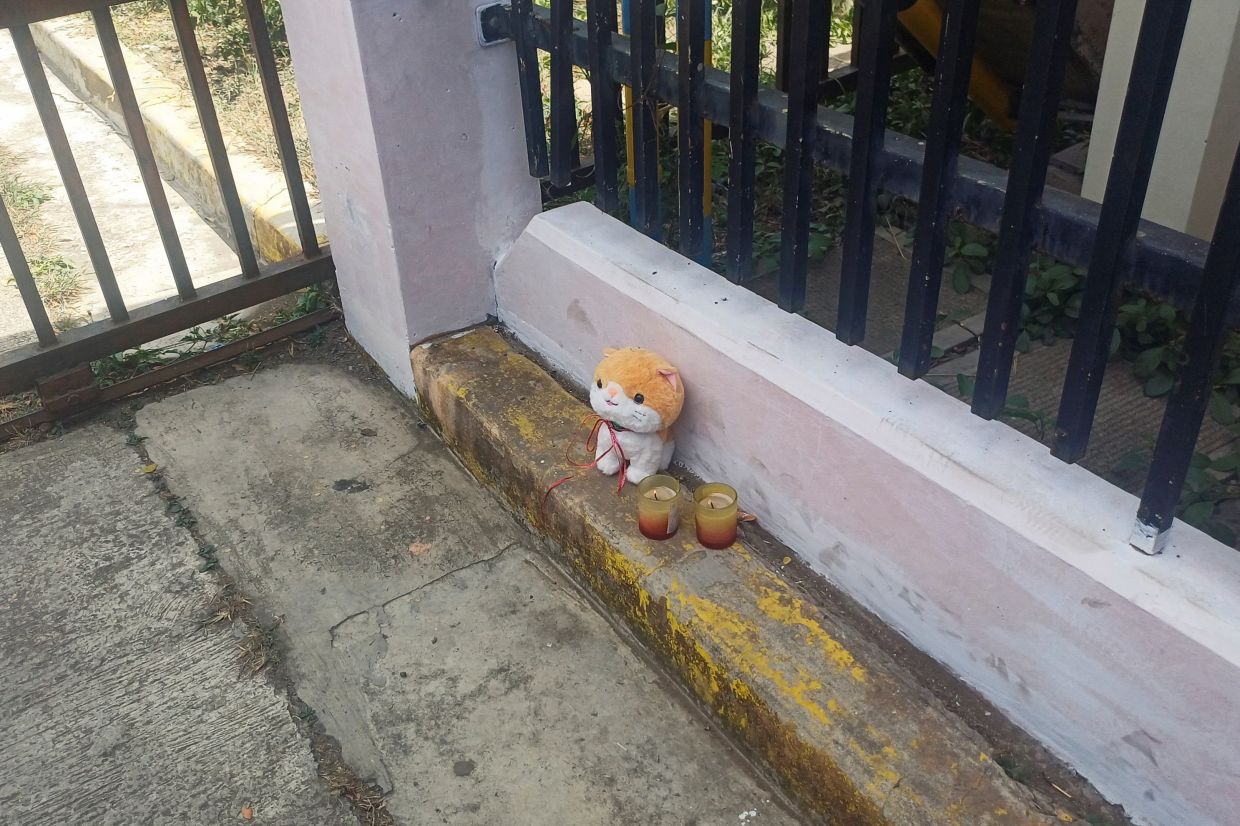
Philippine authorities are investigating how a high-achieving student at Ateneo de Zamboanga University carried out a deadly school shooting and livestreamed the attack before taking his own life, an incident that has prompted urgent discussions about social media regulation and firearm safety in the nation. The August 18 attack, which claimed two lives including the shooter and left two others wounded, represents only the second such incident in the Philippines within two months, forcing policymakers to confront uncomfortable questions about what warning signs may have been missed and how to prevent similar tragedies.
Education Secretary Sonny Angara expressed particular concern about the challenge of identifying at-risk students, noting that the shooter had maintained strong academic performance and showed no obvious behavioural red flags that would have alerted school staff to potential danger. In conversations with teachers, none had flagged the student as problematic, underscoring the difficulty schools and parents encounter when attempting to identify individuals who may pose a threat to themselves or others. This reality highlights a significant gap in institutional safeguarding mechanisms, as traditional markers of concern often fail to capture the internal struggles of seemingly well-adjusted young people.
Angara emphasised that physical security measures alone cannot prevent such tragedies. While fences, closed-circuit television systems, and metal detectors serve important protective functions, they address only the symptoms rather than underlying causes. He advocated for a more holistic approach grounded in community intervention and peer support networks. The education secretary argued that seemingly minor gestures of outreach and concern could profoundly influence vulnerable students, suggesting that schools must cultivate cultures of vigilance and care rather than relying solely on surveillance technology and barriers.
The livestreaming aspect of the attack has become a focal point for legislative action. The shooter transmitted footage of the violence using a body-worn camera, a detail that has amplified calls among lawmakers for stricter regulation of minors' access to social media platforms. Senate President Sherwin Gatchalian has proposed legislation that would prohibit children under 16 from using social media services, arguing that the rapid dissemination of graphic content and livestreamed violence normalises such acts among young audiences and potentially inspires copycat incidents.
Gatchalian's position reflects a growing international concern about the relationship between social media exposure and youth violence. When violent content spreads unchecked across digital networks, it creates a feedback loop wherein shocking incidents gain amplified audience reach, potentially glamorising violence in the eyes of impressionable viewers. The legislator's proposal addresses a significant blind spot in Philippine law, where regulatory frameworks have not kept pace with the exponential growth of social media consumption among adolescents.
Investigators remain focused on determining the sequence of events preceding the attack. Forensic examination of the student's electronic devices is ongoing, with authorities attempting to establish a clear motive and understand the psychological state that led to the shooting. A critical line of inquiry centres on how the student gained access to his father's firearms, particularly a .40-calibre pistol that had been issued by the Bureau of Customs. Police initially misidentified the shooter's year level, later confirming he was a Grade 8 student when they discovered his body on the fifth floor of the school building, having apparently shot himself after ascending from the fourth floor where the initial attack had occurred.
Interior Secretary Jonvic Remulla has responded to the incident by calling for legislative reforms that would substantially increase penalties for firearm owners whose weapons are accessed by minors. The Philippines currently lacks sufficiently stringent laws governing the storage, security, and oversight of privately held firearms, creating dangerous vulnerabilities when weapons are kept in homes with young people. Remulla's proposals would establish accountability measures that incentivise responsible gun ownership and secure storage practices, addressing what appears to be a critical failure in the case under investigation.
The broader issue of loose firearms circulation in Philippine society warrants urgent attention. While gun violence remains less prevalent than in neighbouring regions, the accessibility of weapons to individuals without proper licensing or oversight represents a persistent vulnerability. Existing legislation governing firearm registration, storage requirements, and access restrictions requires comprehensive revision to reflect contemporary security concerns and the particular risks posed by armed youth.
Parents have expressed deep anxiety about the conflicting information and graphic content that spread across social media and messaging applications following the shooting. One mother, who requested anonymity, noted that the rapid proliferation of unverified reports and disturbing video footage created significant confusion and heightened parental distress. She advocated for content-rating systems comparable to those used for television and motion pictures, suggesting that social media platforms should implement comparable safeguards to limit exposure to violent imagery.
The incident underscores a critical gap in digital governance frameworks across Southeast Asia. Most countries in the region have not developed comprehensive regulatory structures for managing violent content on social media, leaving young users vulnerable to exposure and normalisation of such material. Malaysia and other ASEAN nations face similar challenges, with social media companies exercising substantial discretion over content moderation while governments struggle to establish enforceable standards.
The Philippines faces a distinctive challenge in that school violence remains statistically uncommon, potentially creating complacency about preventive measures. The rarity of such incidents may have contributed to insufficient institutional preparedness and inadequate training for educators to recognise subtle warning signs of psychological distress. Future prevention efforts must balance creating safe schools without fostering environments of excessive surveillance and fear.
Lawmakers' proposed responses illustrate the tension between competing priorities of protecting minors from harmful content while preserving digital freedoms and parental rights. Age restrictions on social media access may prove difficult to enforce and could face legal challenges regarding proportionality and necessity. However, the alternative—allowing unrestricted access to platforms that facilitate real-time broadcasting of violence—poses its own documented risks, particularly for adolescents still developing critical thinking capacities and emotional regulation.
The incident has catalysed broader national conversations about institutional responsibility, community engagement, and the intersection of digital access with youth safety. As the Philippines advances these policy discussions, neighbouring Southeast Asian countries should monitor developments closely, as similar legislative proposals are likely to emerge in response to comparable incidents elsewhere in the region.

