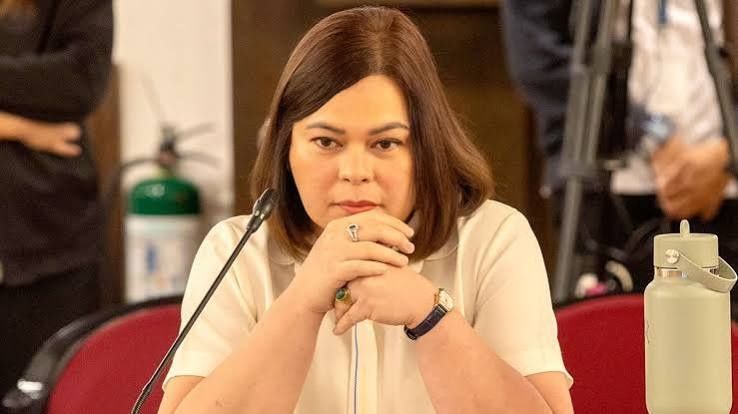
The Philippine National Police announced Friday that it will station approximately 6,000 officers across the Senate complex and adjacent areas in Manila to maintain security during Vice President Sara Duterte's impeachment trial, which begins Monday. The deployment represents a substantial police presence designed to manage what officials anticipate could be a highly sensitive constitutional proceeding in the nation's capital.
The trial itself carries profound implications for Philippine governance and the Duterte family's political future. A conviction requires a two-thirds supermajority vote in the Senate, after which the vice president would be removed from office and permanently barred from holding any public position. This permanent disqualification clause distinguishes impeachment proceedings from ordinary criminal trials and explains the intensity of preparations now underway.
Authorities have coordinated multiple logistical adjustments to accommodate the trial's security requirements. Officials confirmed that several roads in Pasay City, where the Senate complex is situated, will experience temporary closures beginning Monday. These road restrictions reflect broader efforts to create a secure perimeter around the legislative venue and manage the anticipated convergence of media personnel, government officials, and potential protesters in the area.
The Senate impeachment court issued a directive on Thursday requiring the vice president to present herself before the tribunal, with the option to appear either personally or via legal representation. This requirement underscores the formal nature of the proceedings and establishes that Duterte's participation, whether direct or through her legal team, is mandatory for the trial to proceed legitimately.
Interestingly, the Office of the Vice President released a separate statement on Thursday concerning an unmodified audit opinion from the Commission on Audit regarding the office's 2025 financial statements. The audit confirmed that the OVP's financial reports were fairly presented and met all applicable financial reporting standards. Officials were careful to emphasize that this clean audit opinion exists independently from the impeachment proceedings and should not be conflated with the constitutional charges now before the Senate.
Sara Duterte's current political positioning has generated considerable interest across Southeast Asia, particularly given her family's historical dominance in Philippine politics. She is the daughter of former President Rodrigo Duterte, who served from 2016 to 2022 and whose tenure reshaped Philippine foreign policy, particularly regarding relations with China and Russia. The younger Duterte announced her candidacy for the 2028 presidential election in February, signalling her intention to maintain the family's influence over national politics despite the impeachment challenge.
The timing of the impeachment proceedings creates a complex political dynamic that extends beyond the immediate trial itself. Conviction and removal would essentially eliminate her from competing in 2028, fundamentally altering the landscape of next year's presidential race. Conversely, acquittal would strengthen her hand politically and potentially position her as a formidable candidate for the nation's highest office. This high-stakes nature explains why both supporters and opponents of the vice president are likely monitoring the trial intensely.
For Malaysian observers and Southeast Asian analysts, the Philippines' impeachment mechanism offers instructive comparison to constitutional procedures in the region. Few neighbouring countries possess such clearly defined parliamentary mechanisms for removing a sitting vice president, making this trial significant from a regional constitutional perspective. The proceedings will demonstrate how the Philippine Senate manages complex political confrontations while maintaining institutional credibility and public confidence.
The deployment of 6,000 police officers also signals official awareness that the trial could generate substantial public reaction. Previous high-profile political proceedings in Manila have occasionally attracted large crowds of both supporters and opponents. The police commitment to ensuring peaceful, orderly proceedings reflects institutional determination to prevent the trial from becoming a flashpoint for broader political instability or civil disorder.
The impeachment itself emerged from complex political circumstances within Philippine politics, touching on issues of budget management, institutional authority, and the scope of vice-presidential powers. The specific charges and evidence will be presented during the trial, allowing senators to assess the merits of arguments on both sides before rendering their verdict. The trial's outcome will establish important precedent regarding executive accountability in the Philippines and may influence how future disputes between the presidency and vice presidency are resolved.
As the trial commences, international observers from throughout Southeast Asia will likely monitor proceedings closely, given the Duterte family's international profile and the Philippines' significance as the region's democratic anchor. The conduct of the trial—whether fair, transparent, and institutionally sound—will send signals to domestic and regional audiences about the robustness of Philippine democratic institutions and the rule of law.

