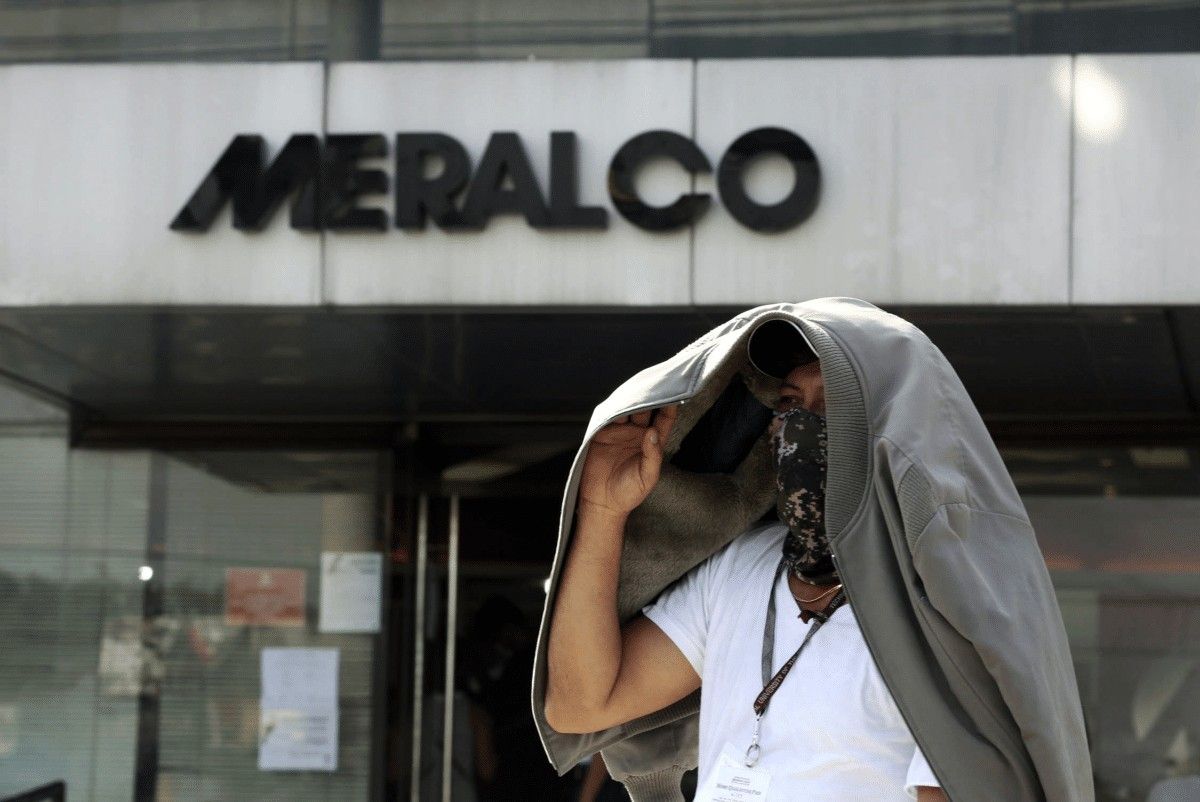
The Philippines' Energy Regulatory Commission (ERC) has handed down a significant ruling that will see Manila Electric Co. (Meralco), the nation's dominant electricity distributor, return ₱9.5 billion to consumers as compensation for overcharges accumulated during a regulatory gap period. The decision, dated July 31, represents a measure of consumer relief in a market where power costs remain a persistent concern for households and businesses alike across the archipelago.
Under the ERC's directive, Meralco must distribute the refund at a rate of ₱0.3449 per kilowatt-hour (kWh) through a dedicated line item on customer electricity bills over the course of six months. This approach, favoured by regulators because it avoids the administrative complexity of issuing separate payments, allows the utility to incorporate the reimbursement directly into the billing structure that millions of Filipinos receive monthly. Implementation is scheduled to commence in the next billing cycle following official receipt of the ERC's order, according to commission chair and chief executive officer Francis Saturnino Juan.
The refund stems from what regulators term a "lapsed period"—the interval between January and December 2025 when Meralco operated under rates that had become outdated. During such intervals, utilities continue charging consumers according to tariffs established in previous rate-setting exercises, even though the regulatory foundation supporting those rates may no longer accurately reflect operational realities. This mismatch can result in utilities collecting revenues that exceed what would be justified under current cost structures, creating what the ERC identifies as an "over-recovery" situation.
The regulatory architecture governing Meralco and similar utilities in the Philippines operates through periodic rate reset processes. These mechanisms require regulated entities to submit comprehensive filings to the ERC detailing anticipated expenditures and capital projects, typically over five-year planning horizons that can be extended at the regulator's discretion. The data and projections contained in these submissions form the foundation upon which new tariff schedules are calculated and ultimately passed through to end consumers. This system, while theoretically designed to align charges with actual costs, inevitably creates periods where existing rates diverge from underlying economics.
The ERC's decision to include interest costs within the calculation of the total refund amount reflects a deliberate policy choice to compensate consumers not merely for the principal amount of overcharges but also for the time value of money. By this logic, consumers effectively provided interest-free loans to Meralco during the lapsed period, and the commission determined that accounting for this financial component constituted a prudent and equitable approach. The ERC stated explicitly that given Meralco's collection of over-recovered amounts during the regulatory years encompassed by the lapsed period, incorporating interest costs into the refund calculation served the broader regulatory objective of fairness.
For Malaysian observers of regional energy regulation, the Meralco case illustrates several instructive principles about utility oversight in developing Southeast Asian economies. Like Malaysia's own energy sector, the Philippines operates a system wherein large distribution utilities remain subject to rate regulation designed to protect consumers from monopolistic pricing while ensuring utilities can maintain investment capacity. The mechanism of lapsed periods and subsequent corrections exists across the region, though implementation details and the political willingness to enforce consumer refunds varies considerably.
The ₱9.5 billion refund, while substantial in absolute terms, amounts to a modest adjustment when distributed across Meralco's customer base of millions of households and businesses. For individual residential consumers, the monthly benefit will likely range from dozens to perhaps a few hundred pesos depending on consumption patterns, yet the aggregate impact underscores how rate-setting mechanics can create meaningful shifts in cost allocation between utilities and their markets. This particular refund also signals that the ERC retains sufficient independence and mandate to compel the Philippines' largest utility to return capital, a crucial function in maintaining regulatory credibility.
Meralco's position as the country's primary power distributor serving the greater Manila metropolitan area and surrounding regions means that decisions affecting its rate base carry outsized economic significance. The utility has long faced criticism regarding electricity costs, particularly during periods of supply constraints or when international fuel prices spike. The refund announcement, therefore, carries symbolic importance beyond its purely financial dimensions—it demonstrates that regulatory mechanisms can provide consumer relief even in a system where utilities maintain considerable operational control.
The six-month implementation timeline presents practical challenges for Meralco's billing systems and customer communications infrastructure, requiring the utility to reprogram billing software to properly itemize the refund line while ensuring transparency and accuracy across millions of accounts. This operational dimension, while less visible than the regulatory decision itself, represents a significant undertaking for any large utility company managing infrastructure serving such a vast customer base.
The broader context involves ongoing tensions in Philippine energy policy between maintaining investment incentives for utilities and containing consumer power costs. Rising electricity charges have become politically sensitive, particularly as inflation impacts middle-income and lower-income households. The ERC's willingness to mandate the Meralco refund reflects recognition that regulatory authorities must occasionally enforce corrections to maintain public confidence in the system and ensure that consumers genuinely benefit from regulated utility frameworks rather than bearing excessive burdens.
For consumers across Southeast Asia, the Meralco refund illustrates how regulatory oversight of major utilities, while imperfect, can occasionally produce tangible financial relief. The mechanism of lapsed period refunds exists in various forms throughout the region, yet the actual enforcement of consumer reimbursements depends heavily on regulator autonomy and political support. The Philippines' ERC decision sets a regional precedent regarding the seriousness with which regulators approach consumer protection mandates when utilities accumulate over-recovered revenues during regulatory gaps.

