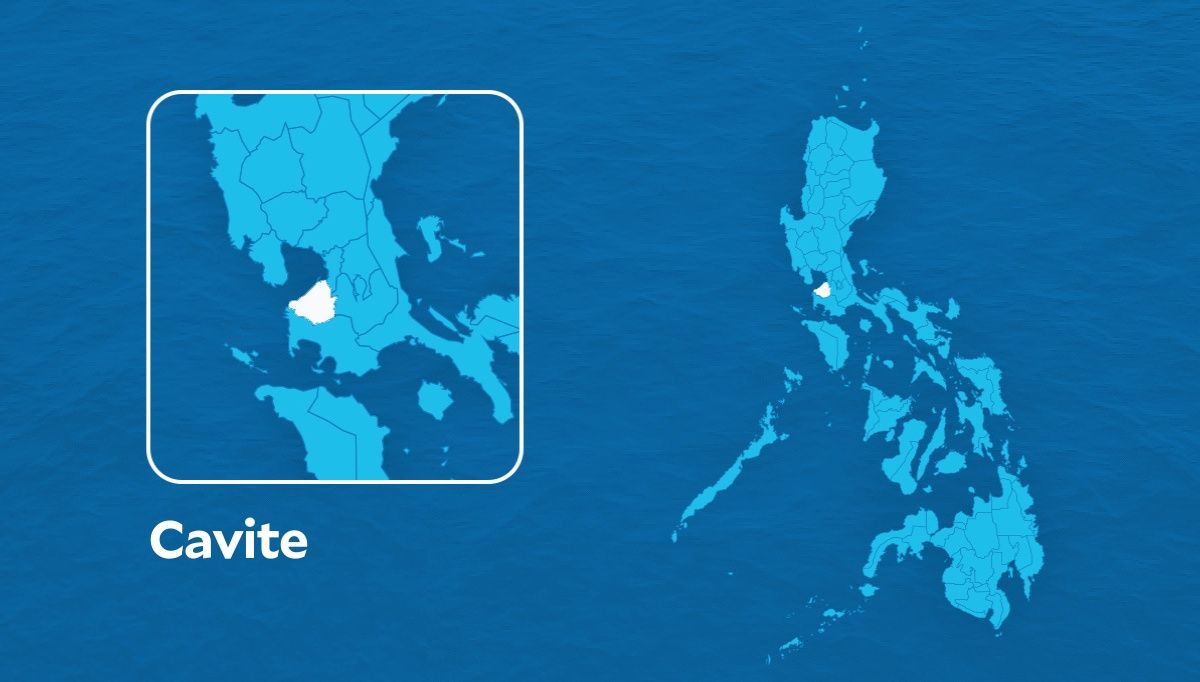
Authorities in the Philippines have averted what could have been a tragic incident after intercepting an alleged school shooting plot involving a high school student in Cavite province. The Cavite Police Provincial Office confirmed on Tuesday that officers recovered an improvised, unregistered firearm following a coordinated response that began when vigilant school officials flagged concerning information about the student's intentions. The intervention demonstrates how rapid communication between educational institutions and law enforcement can prevent violence before it occurs.
The incident unfolded at General Mariano Alvarez Technical High School, where school leadership received troubling reports about a Grade 10 student's alleged plans to carry out a shooting on the campus. According to accounts from a Manila-based news organisation, a teacher discovered online messages in which the student appeared to be discussing plans for an attack scheduled for July 2. Rather than dismissing the warning or handling it internally, school officials immediately escalated the matter to police authorities and coordinated with community stakeholders, setting in motion a swift intervention that would prevent the threat from materialising.
The Cavite Police Provincial Office emphasised the methodical approach taken by responding officers, who verified the initial report and worked closely with the student's family and local barangay officials to locate and secure the weapon. The recovery of the improvised firearm represents a critical intervention point—removing the physical means through which the alleged plot could have been executed. Police have not disclosed specific details about the weapon's construction or how the student came into possession of it, as such information remains part of an ongoing investigation.
Because the suspect is a minor, the student's identity has been protected in accordance with Philippine law governing juvenile cases. Following arrest, the young person was transferred to the Municipal Social Welfare and Development Office for intervention procedures mandated by the Juvenile Justice and Welfare Act. This legal framework ensures that children involved in criminal matters receive age-appropriate handling that prioritises rehabilitation and welfare considerations rather than purely punitive measures, reflecting the Philippines' commitment to juvenile justice principles similar to those adopted across Southeast Asia.
The case highlights a broader regional concern about school safety and the psychological warning signs that may precede acts of violence. In recent years, Southeast Asian countries have grappled with balancing open educational environments against security measures needed to protect students. The Philippine response—emphasising communication networks and community vigilance rather than heavy-handed security infrastructure—offers a model that other nations in the region continue to evaluate as they develop their own comprehensive school safety protocols.
School officials released a statement on June 28 acknowledging that they had received what they described as "menacing information" regarding the student's alleged intentions. Rather than downplaying the threat or requesting confidentiality from law enforcement, GMATHS immediately engaged police and took the report seriously. The school's decision to prioritise student safety over concerns about reputation or notoriety reflects evolving attitudes across educational institutions toward threat assessment and prevention, particularly in light of high-profile incidents globally that have devastated school communities.
The Cavite Police Provincial Office used the incident to underscore the necessity of sustained collaboration between multiple stakeholders in violence prevention. In their statement, police highlighted the critical roles played not only by school officials but also by families, barangay leaders, and community members in maintaining awareness and reporting suspicious activities. This emphasis on collective responsibility suggests that Philippine law enforcement views school safety as a community-wide obligation rather than the exclusive domain of security professionals, an approach that resonates with community policing philosophies gaining traction throughout Southeast Asia.
Police also cautioned the public against spreading unverified information about the case or disclosing the identity of the minor involved, reminding residents that Philippine law strictly protects the anonymity of children in criminal investigations. This directive reflects concern about the rapid spread of sensationalised details through social media, which can compromise ongoing investigations, traumatise communities, and inadvertently glorify violence. The instruction underscores how digital communication presents new challenges for law enforcement agencies seeking to maintain investigative integrity while also preventing the amplification of threats.
The investigation remains active as authorities prepare formal charges in accordance with applicable Philippine laws. Investigators will likely examine the student's digital communications, access to weapons, any documentation of planning, and psychological evaluations to determine appropriate legal charges and interventions. The complexity of juvenile cases—particularly those involving allegations of planned violence—requires careful consideration of both legal culpability and underlying factors such as mental health concerns, peer influence, or family circumstances that may have contributed to the student's stated intentions.
For Malaysian and Southeast Asian readers, this incident underscores the importance of maintaining open communication channels between schools, parents, and law enforcement regarding student welfare and safety concerns. While Malaysia has implemented various school security measures, the emphasis on early detection and community reporting demonstrated in the Philippine case offers complementary approaches worth considering. The successful outcome in Cavite illustrates how threat assessment systems that encourage reporting, coupled with rapid verification and proportionate intervention, can prevent tragedy without requiring permanent militarisation of school environments.
The broader implications extend to how societies balance child protection with safeguarding. The decision to involve social welfare agencies rather than pursuing purely criminal prosecution reflects recognition that adolescents threatening violence often require psychological support, family intervention, and educational redirection alongside any legal accountability. This approach aligns with contemporary understanding across developed and developing nations that young people who express violent intentions are frequently experiencing significant distress and may benefit substantially from mental health services and counselling rather than exclusively punitive responses.

