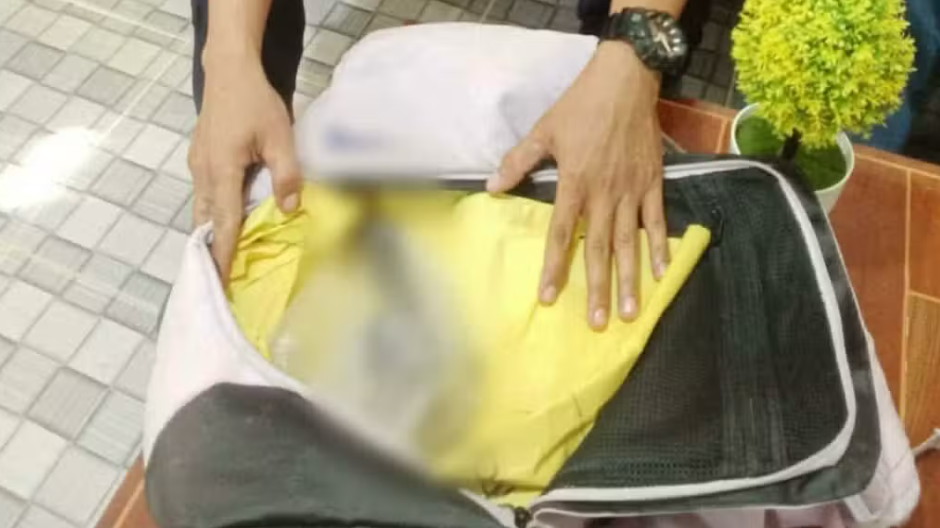
A loaded firearm was discovered in the school bag of a teenage student at a school in Pinamungajan, Cebu on Thursday, August 20, when a teacher conducted a surprise inspection of students' belongings as part of routine safety precautions. The 0.357 Smith & Wesson Magnum revolver was found at approximately 3.50pm, prompting immediate notification to school administrators and local law enforcement. The weapon was seized and secured by police personnel assigned to the educational institution, marking a troubling breach of campus safety protocols that has resonated across the Philippines' education sector.
The 14-year-old student admitted that he had taken the firearm from a cabinet at his family's residence and transported it to school on the same day. Initial police inquiries revealed that the weapon actually belonged to the student's grandfather and had been stored within the family home. The student's parents were reportedly working outside the municipality at the time, leaving their son under the supervision of his grandparents. The circumstances surrounding why the minor decided to bring the firearm to school remain under investigation, with authorities working to understand the motivation behind this dangerous decision.
Following standard procedures for cases involving minors, the student was transferred to the custody of the Municipal Social Welfare and Development Office pending the arrival of his parents or legal guardian. As investigations continued into Friday, August 21, authorities coordinated appropriate interventions with both the welfare office and the child's family members. The case highlights significant concerns about firearm storage practices within Philippine households, particularly those with young residents who may lack the maturity to recognise the dangers associated with unsecured weapons.
This incident emerged amid an escalating wave of security concerns affecting schools throughout Cebu and broader Philippine territory. The discovery arrived only weeks after a fatal shooting incident at a senior high school in Zamboanga, where two individuals were killed in a campus violence tragedy. That earlier incident sparked regional alarm and prompted government officials to reassess security infrastructure at educational facilities throughout the province. The convergence of these two separate incidents within a short timeframe has intensified pressure on authorities to implement comprehensive protective measures.
In response to mounting security concerns, Cebu Governor Pamela Baricuatro issued directives to police leadership and municipal chiefs of police to substantially elevate security protocols at both public and private schools throughout the province. Her instructions encompassed expanded police presence at campuses, systematic and recurring security inspections of student belongings and facilities, and strengthened cooperation between law enforcement and school management. These measures represented a significant departure from previous baseline security practices and signalled government commitment to preventing future weapons incidents on school grounds.
The Cebu Police Provincial Office responded by implementing a one-police-to-school assignment programme in coordination with municipal government units and school authorities. This initiative deployed police officers directly to educational institutions, establishing a visible law enforcement presence intended to deter potential incidents and enable rapid response capabilities. Police Colonel Abubakar Udang Mangelen Jr, provincial director of the Cebu Police Provincial Office, oversaw the operational implementation of this expanded security framework, which represented a considerable commitment of law enforcement resources to campus protection.
Authorities have simultaneously launched an educational campaign directed at firearm owners, emphasising the critical importance of proper weapon storage and secure handling practices, particularly in households containing children. Police messaging stressed that firearms must be stored in locations physically inaccessible to minors and maintained according to established safety standards. The guidance reflected recognition that family responsibility for weapon security constitutes the first line of defence against incidents like the Pinamungajan discovery.
The revolver recovered from the student's possession was processed for documentation and formal disposition according to Philippine firearms regulations and police evidence handling protocols. The weapon, recovered without ammunition, underwent standard ballistics analysis and record-keeping procedures to establish its ownership and use history. The firearm's recovery and secure storage prevent its potential use in subsequent incidents and serve as evidence in ongoing investigations into the circumstances surrounding its transportation to school.
For Malaysian observers monitoring regional security developments, the incident underscores challenges facing Southeast Asian educational systems in maintaining campus safety while respecting civil liberties. The Philippines' experience reflects broader regional struggles to balance access to personal firearms with institutional security, a tension that resonates across several ASEAN member states grappling with school safety initiatives. The coordinated response from Cebu authorities—combining operational security deployment, facility inspections, and public education—offers a comprehensive model that education administrators across the region are observing closely as they evaluate their own institutional protective measures and protocols.

