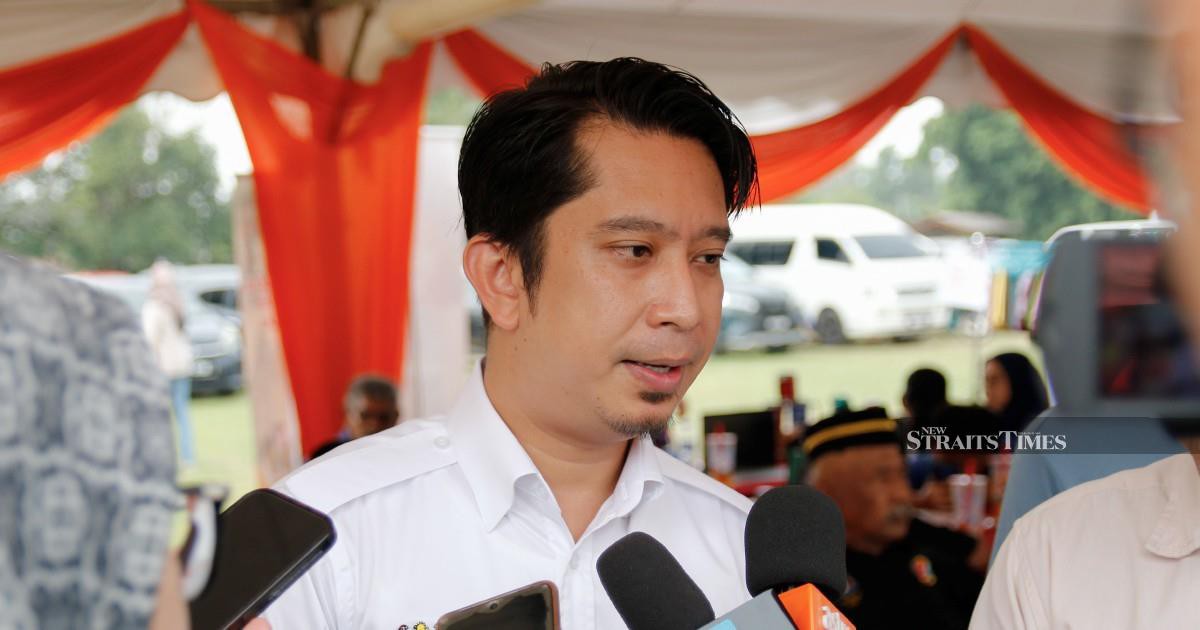
The prospect of a formal alliance between Pakatan Harapan and Barisan Nasional for the forthcoming Melaka state election remains unresolved, with state PKR chief Adam Adli Abdul Halim confirming that substantive talks have not yet commenced between the two major coalitions. The absence of formal discussions underscores the delicate political positioning both blocs must navigate in the state, where electoral fortunes have shifted considerably in recent years and where controlling the legislature carries significant weight within Malaysia's broader political dynamics.
Adam Adli's statement signals that despite public speculation and media commentary surrounding potential cooperation, the leadership of both coalitions has not yet convened to articulate specific terms, conditions, or arrangements that might govern their respective approaches to the upcoming contest. This silence at the negotiating table may reflect the complexity of brokering consensus among the multiple parties that constitute each alliance, particularly given the diverse interests and historical grievances that characterise Malaysia's coalition politics.
Melaka has proven a volatile electoral terrain in recent electoral cycles, with power shifting between competing coalitions and independent candidates wielding meaningful influence over government formation. The state's political fluidity means that any negotiated arrangement between PH and BN would carry ramifications extending beyond Melaka's borders, potentially affecting how the two coalitions calibrate their relationship at the federal level and in other state contests. The timing of any potential dialogue could therefore prove strategically sensitive for party leadership navigating competing pressures from within their respective alliances.
For Pakatan Harapan, which has endured considerable internal strains and shifting electoral dynamics since returning to federal opposition following the 2022 general election, a collaborative arrangement in Melaka might offer a pathway to consolidate state-level presence while managing the complex relationship with BN that characterises Malaysian politics in the current era. Conversely, Barisan Nasional, seeking to rebuild after years of electoral setbacks and internal reorganisation, faces its own imperatives in determining whether cooperation with PH would strengthen or complicate its positioning in Melaka and beyond.
The PKR chief's acknowledgment that formal negotiations remain pending reflects the procedural reality that such discussions typically occur at senior leadership levels involving multiple stakeholders from both coalitions. In Malaysian coalition politics, announcing negotiations prematurely can undermine bargaining positions, expose internal divisions, or alienate grassroots members who view inter-coalition cooperation with suspicion. The deliberate pacing of any such dialogue may therefore be strategically intentional rather than indicative of a lack of interest in exploring potential arrangements.
Southeast Asian observers noting Malaysian political developments understand that state-level contests frequently serve as testing grounds for coalition strategies and inter-party relationships before they manifest at the national level. Melaka's relatively smaller electorate and geographic footprint make it an ideal venue for experimenting with novel political arrangements without risking the scales of a federal election. How PH and BN ultimately navigate this particular state contest could consequently offer instructive patterns for understanding Malaysia's political trajectory over coming years.
The absence of formal talks at present does not preclude rapid developments once negotiations do commence. Previous Malaysian electoral cycles have witnessed last-minute negotiations, surprise alliances, and sudden reversals once leadership circles determine that mutual accommodation serves their respective interests. The coming weeks may therefore witness accelerated diplomatic activity as the election timeline approaches and pressure mounts for the coalitions to declare their strategies.
State-level politics in Malaysia frequently operate according to distinct logics separate from federal dynamics, with local power brokers, party members, and community interests exerting pressures that federal headquarters cannot always command. In Melaka specifically, this means that negotiations between PH and BN may ultimately rest upon the shoulder of state-level figures who possess intimate knowledge of local electoral conditions, grassroots sentiment, and the calculus of individual state constituencies that determine overall state government composition.
The political economy of Melaka state government also shapes incentive structures around potential collaboration. Control of state administration brings appointment powers, project allocation, and resource distribution capabilities that incentivise pursuit of electoral victory. Whether PH and BN each calculate that cooperation enhances their prospects of wielding these powers, or whether they believe competition serves their interests more effectively, will ultimately determine whether formal negotiations proceed and what shape any agreement might assume.
Meanwhile, constituent parties within both coalitions maintain their own particular interests in Melaka's outcome. Smaller coalition partners may harbour distinct preferences regarding electoral cooperation, seat allocations, and policy priorities that complicate high-level negotiations between PH and BN leadership. The eventual shape of any formal agreement, should negotiations commence, will likely reflect these internal dynamics and the relative bargaining power that different coalition components exercise within their respective political structures.

