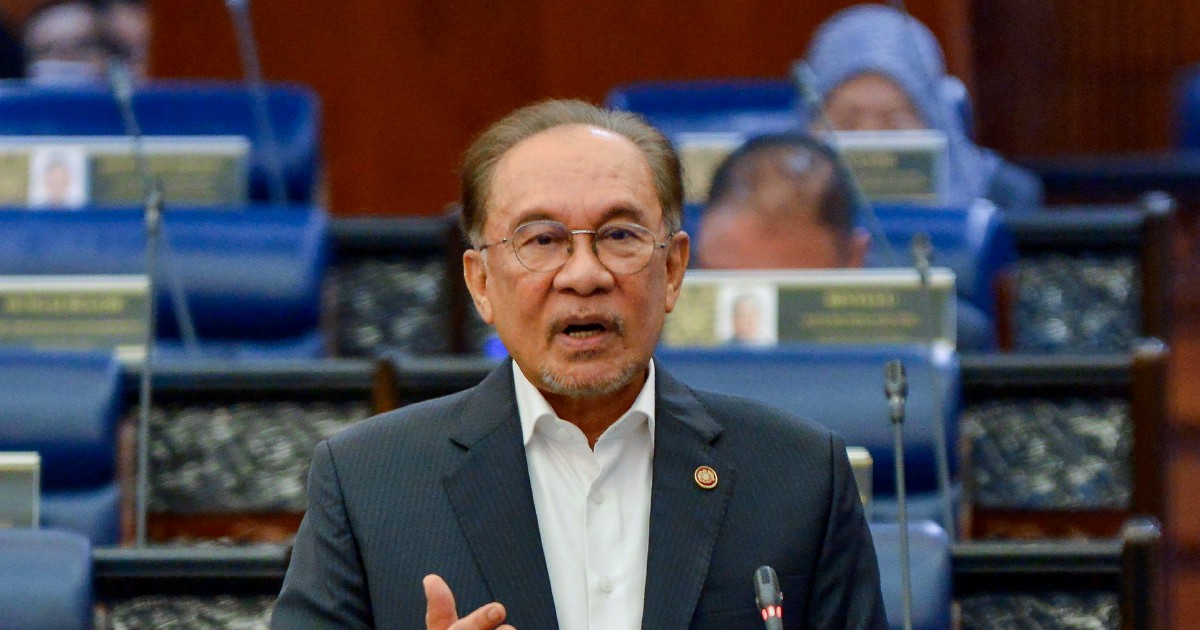
Prime Minister Datuk Seri Anwar Ibrahim has confirmed that Petronas will commence exploration and drilling activities at major gas blocks in Turkmenistan as early as December, signalling an accelerated timeline for the Malaysian energy giant's operations in Central Asia. The announcement represents a significant development for Petronas, which has invested considerable resources into securing these strategically important hydrocarbon assets amid global competition for energy resources in the region.
Turkmenistan holds some of the world's largest proven natural gas reserves, and securing exploration rights at major blocks positions Petronas to play a meaningful role in developing these resources for both domestic consumption and export markets. The country's vast hydrocarbon wealth has long attracted international oil and gas majors seeking to diversify their portfolios beyond traditional supply basins. For Malaysia, the involvement of its national champion in these operations underscores the strategic importance the government places on energy security and revenue generation through upstream petroleum activities.
The December commencement date marks the culmination of extended negotiations and regulatory approvals required to operationalise exploration contracts in Turkmenistan. Such timelines are typical for major oil and gas projects entering active drilling phases, as companies must satisfy host government requirements, mobilise specialised equipment, and establish operational frameworks tailored to local conditions and regulations. The acceleration toward this date indicates that Petronas and its partners have successfully cleared administrative hurdles and are prepared to deploy the necessary technical and human resources.
From a regional perspective, Petronas's Turkmenistan engagement exemplifies Malaysia's broader strategy to expand hydrocarbon exploration and production footprints across Asia-Pacific and beyond. The national oil and gas company operates across multiple continents, and Central Asia represents an increasingly important frontier as traditional producing regions face resource depletion challenges. Success in Turkmenistan could enhance Petronas's credentials as a globally capable operator while securing long-term energy resources that support Malaysia's economic development objectives.
The timing of these operations assumes particular significance given international dynamics surrounding energy security. Global demand for natural gas remains robust, with Asian markets offering premium prices for reliable supply sources. Turkmenistan's geographic position as a major supplier to China, India, and Central Asian nations makes its gas resources economically valuable. Petronas's participation in developing these blocks potentially positions the company to access additional export opportunities and strengthen Malaysia's energy diplomacy across crucial trading partners.
Operational success at these Turkmenistan blocks will require Petronas to manage various technical and commercial challenges inherent to Central Asian operations. The region's geopolitical context, infrastructure availability, and cost structures differ markedly from Southeast Asian production environments where Petronas has built extensive operational experience. The company's ability to apply its technical expertise, project management capabilities, and financial resources to overcome these challenges will be closely monitored by industry observers and Malaysian stakeholders invested in the company's international performance.
The announcement also carries implications for Malaysia's fiscal position and government revenue streams. Successful exploration and eventual production at these blocks could generate substantial petroleum revenues flowing back to Malaysia through Petronas dividends and government participation arrangements. For a nation that has historically relied on hydrocarbon revenues to fund development initiatives, the diversification of production sources across multiple regions reduces vulnerability to single-basin supply disruptions or price shocks affecting traditional producing areas.
Petronas's operations in Turkmenistan also reflect broader trends within the global energy sector, where international companies increasingly seek partnership arrangements with state-owned enterprises in resource-rich nations. Such arrangements typically involve technology transfer, capacity building, and mutual economic benefit. For Turkmenistan, Petronas's involvement brings access to world-class technical capabilities and project management expertise. For Malaysia and Petronas specifically, the partnership provides entry into a resource base that could support decades of production activity and associated financial returns.
The company faces substantial capital expenditure requirements to progress from exploration through development and into production phases at these blocks. Petronas's financial capacity and access to international capital markets position it to undertake such investments, though global energy market volatility and evolving energy transition policies create uncertainties around long-term project economics. The company must balance aggressive expansion ambitions with prudent financial management and awareness of changing global energy consumption patterns favouring renewable sources.
Successful drilling commencement in December will represent a tangible outcome of Petronas's strategic initiatives in Central Asia. The company's ability to meet this timeline and subsequently move operations toward productive capacity will influence investor confidence in management's execution capabilities. For Malaysian stakeholders, including the government and taxpayers dependent on energy sector contributions to the national economy, the progression of these Turkmenistan operations merits close attention as a significant test of the national oil and gas champion's international competitiveness and operational prowess in frontier environments.

