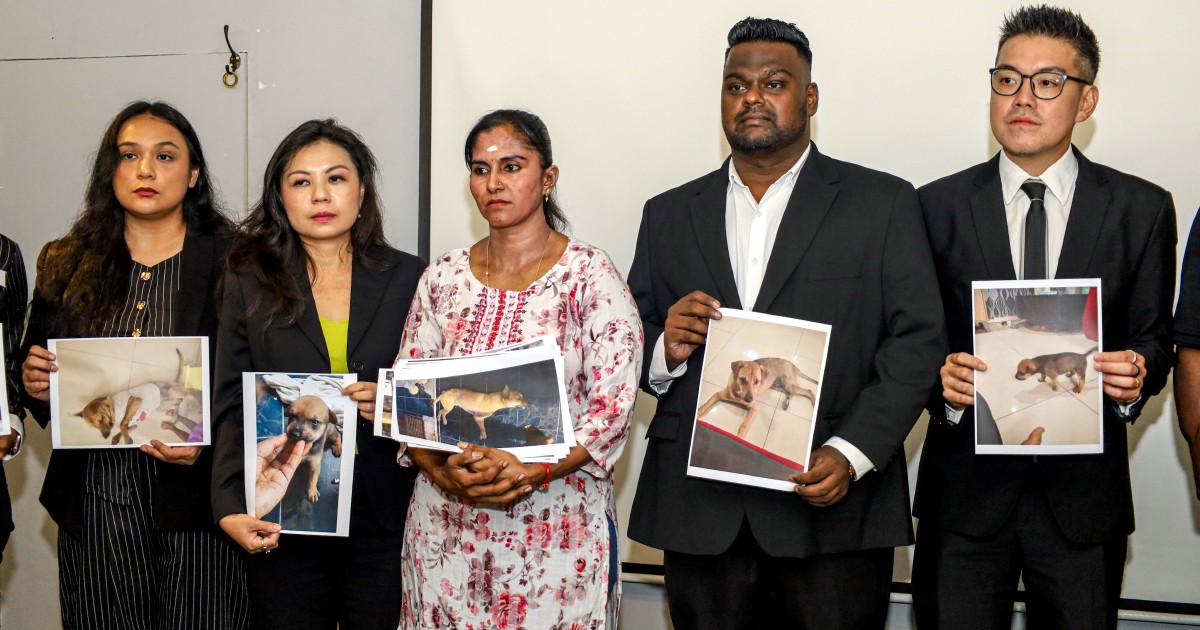
The death of Rocky, a domestic pet in Taman Teluk Gedung Indah, Port Klang, has triggered calls for a thorough and transparent examination of the standard operating procedures used in stray dog capture operations across Malaysia. The incident, which reportedly involved the dog being struck during an attempt to apprehend stray animals in the residential area, has raised serious questions about the welfare safeguards in place for both stray and domestic animals caught in the crossfire of such operations.
Rocky's owner has become an vocal advocate for stricter oversight, emphasising the need for clarity on what transpired during the operation and how such tragedies might be prevented in future. The case highlights a significant gap in public awareness regarding the protocols that local authorities and contracted services follow when dealing with loose animals in populated neighbourhoods. For pet owners in Malaysia, the incident underscores the risks that beloved family animals face when official animal-control activities take place without adequate coordination or communication with residents.
Stray dog management remains a persistent challenge for municipalities across Malaysia, with authorities balancing public safety concerns against animal welfare considerations. The traditional approach of capture-and-removal has long been contentious, with animal welfare groups advocating for more humane alternatives such as trap-neuter-return programmes and community-based management schemes. This incident in Port Klang exemplifies the potential consequences of operations conducted without sufficient safeguards or training for personnel involved in the actual capture process.
The residential setting of Taman Teluk Gedung Indah makes this case particularly significant, as it demonstrates that stray dog operations can affect domestic animals living in normal neighbourhoods, not just in isolated areas. Residents in similar communities throughout Malaysia may now question whether their own pets are adequately protected during such operations and whether they receive adequate warning before capture teams enter their areas. The lack of transparency and communication between authorities and homeowners appears to have been a critical failure point in this case.
Personnel conducting stray dog capture operations require extensive training in animal handling, stress reduction techniques, and recognition of domestic versus stray animals. Questions arising from Rocky's death include whether the individuals involved possessed appropriate qualifications and whether proper identification procedures were followed. The use of excessive force during capture—whether intentional or born from inadequate training—represents a serious breach of animal welfare standards that Malaysia's veterinary and municipal authorities must address comprehensively.
Beyond the immediate tragedy for Rocky's family, this incident carries broader implications for how Malaysia manages its growing stray animal population. Other Southeast Asian nations have experimented with alternative approaches, including portable vaccination clinics to reduce disease transmission, community education programmes, and incentive-based reporting systems that encourage responsible ownership. Malaysia could benefit from examining these models and developing a more integrated strategy that does not place domestic pets at unnecessary risk.
The demand for a transparent investigation reflects a shift in public expectations regarding government accountability and animal welfare standards. Malaysian pet owners increasingly expect that their animals will not be endangered by official operations, and that if incidents occur, there will be genuine scrutiny and consequences. This case may serve as a catalyst for reviewing and potentially overhauling the standard operating procedures that govern stray dog management nationwide.
Local authorities in Port Klang and similar municipalities must now contend with the reputational damage and loss of public confidence that typically follows such incidents. Moving forward, establishing clear protocols for notifying residents before operations begin, deploying adequately trained personnel, and implementing accountability mechanisms for misconduct will be essential to rebuilding trust. Many Malaysian communities are watching to see whether this investigation will lead to genuine reform or merely superficial gestures.
The incident also raises questions about liability and compensation for pet owners whose animals are harmed during municipal operations. Currently, the legal framework governing such situations remains unclear in many Malaysian states, leaving owners uncertain about their rights and remedies. Clarifying these provisions would provide both protection for pet owners and incentive for authorities to prioritise careful, controlled operations that minimise harm to domestic animals.
Ultimately, Rocky's case encapsulates a challenge facing urban Malaysia: how to address public health and safety concerns related to stray animals without compromising the welfare and security of domestic pets. This requires not only revised procedures but also greater public engagement, better resource allocation for animal control services, and a cultural shift toward viewing animal welfare as an integral component of municipal governance rather than an afterthought.

