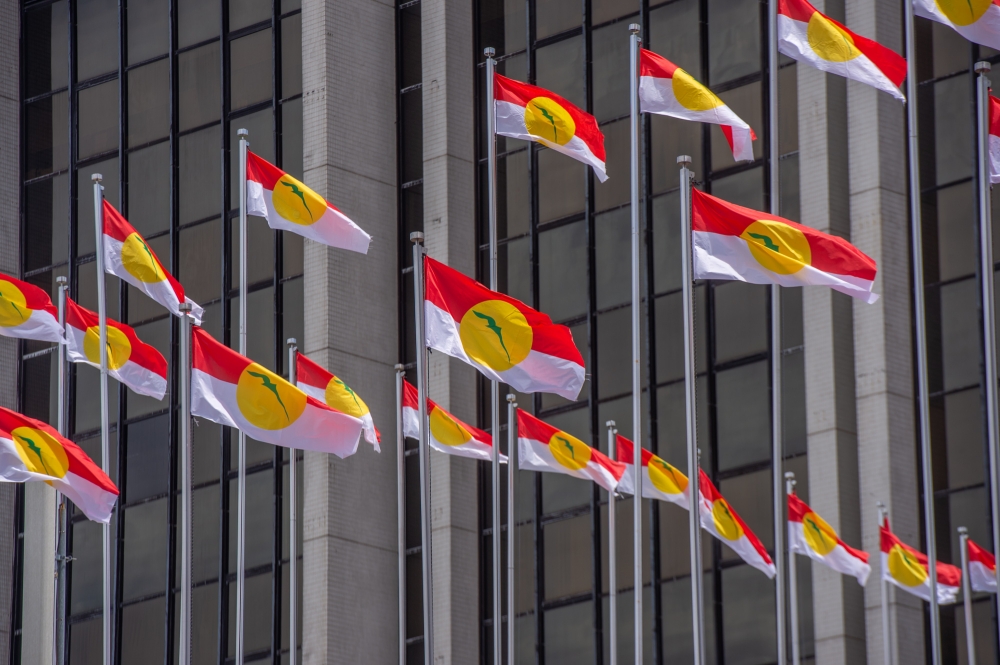
Perlis Umno has begun assembling its organizational apparatus to mount an independent electoral challenge across all available seats in the forthcoming state election. The northern state's branch of the United Malays National Organisation announced its intention to compete in all 15 state assembly constituencies alongside the three parliamentary seats falling under Perlis jurisdiction, marking a notable departure from the coalition-based electoral alliances that have characterised Malaysian politics in recent electoral cycles.
The decision reflects growing confidence within Perlis Umno's leadership regarding the party's capacity to win constituencies without reliance on traditional partners or support arrangements. This strategic positioning comes as Malaysian politics continues to experience significant realignment following the 2022 general election, which saw unprecedented coalition fluidity and voter behaviour shifts. For Perlis specifically, a state with a population of approximately 280,000 and limited electoral diversity, an all-Umno campaign could simplify messaging and eliminate potential voter confusion arising from multi-party candidacy structures.
From a regional perspective, Perlis occupies a unique political position within Malaysia's federalism. As the northernmost state sharing borders with Thailand, it has historically served as a testing ground for national political strategies before larger-scale implementation. Party leadership has indicated that candidate selection processes would prioritize grassroots mobilization and community engagement rather than relying on coalition negotiations to determine seat allocation. This approach suggests confidence that local Umno machinery can deliver electoral victories independently.
The machinery-building phase currently underway involves constituent party divisions across all 15 state seats, with particular emphasis on identifying credible candidates capable of resonating with local electorates. Umno's organizational restructuring in Perlis has accelerated following leadership changes at both state and national levels, reflecting broader efforts to consolidate party strength ahead of what party strategists anticipate will be a competitive electoral environment. The emphasis on comprehensive coverage represents a calculated gamble that existing Umno support bases sufficiently densely populate the state to achieve majority representation without supplementary coalition support.
Historically, Perlis has demonstrated electoral patterns distinct from larger states. The state legislature comprises relatively fewer constituencies than Selangor, Johor, or Sabah, meaning individual seat outcomes carry disproportionate weight in determining overall representation. An Umno-only strategy reduces opportunities for coalition partners to claim credit for electoral success or demand ministerial positions as part of post-election power-sharing arrangements. For Perlis Umno, solo contestation effectively simplifies post-election governance structures and concentrates political authority within a single party framework.
The timing of this announcement carries implications beyond Perlis itself. With several states approaching scheduled elections and federal elections potentially within the medium term, Umno's strategy in Perlis could signal testing of broader party objectives regarding independent electoral positioning. The party's national leadership has historically emphasized Umno's dominance within any political coalition, and the Perlis campaign provides opportunity to validate whether single-party competition remains viable in Malaysia's contemporary fragmented electoral landscape.
Opposition parties will closely observe Perlis Umno's campaign development, as electoral performance here could influence their own strategies for upcoming contests. The decision to contest independently rather than through coalition mechanisms eliminates traditional horse-trading dynamics that have characterized Malaysian state elections. This transparency regarding electoral intentions allows for clearer voter choice and potentially reduces post-election recriminations about coalition partner behaviour or neglected campaign promises.
Perlis Umno's grassroots organizations have reportedly commenced identifying potential candidates from among local community leaders, business figures, and party activists. This developmental phase typically extends over several months, allowing party divisions to conduct internal consultations and assess candidate viability within their respective constituencies. The party has emphasized merit-based selection processes designed to attract candidates capable of articulating local concerns while maintaining alignment with broader Umno policy frameworks.
Challenges to the solo strategy remain substantial. Perlis Umno must sustain campaign momentum across all 18 seats simultaneously without coalition partners contributing resources or campaign volunteers. Opposition coalitions, by contrast, potentially benefit from multi-party machinery and diversified funding sources. The financial demands of an independently resourced campaign across all constituencies represent considerable investment requirements, necessitating robust fundraising mechanisms and volunteer coordination structures.
For Malaysian voters in Perlis, the electoral dynamic presents a starkly different choice architecture than states where coalition politics predominate. Rather than evaluating multiple coalitions offering different policy combinations and leadership configurations, Perlis voters will assess Umno's performance and credibility independently. This concentration of electoral choice intensifies scrutiny of individual Umno candidates and their capacity to address constituent concerns, as the party cannot deflect accountability to coalition partners or blame insufficient coalition coordination for governance shortcomings.
The broader significance of Perlis Umno's strategy extends to questions about coalition politics' sustainability within Malaysia's evolving political ecosystem. Successive electoral cycles have demonstrated voter willingness to abandon traditional alliances and experiment with alternative political arrangements. Umno's confidence in contesting independently in Perlis implicitly acknowledges that party brand recognition and organizational capacity may prove sufficient for electoral success without coalition legitimacy or institutional bolstering.
State-level dynamics remain distinctive from national politics, with local personalities, development priorities, and historical voting patterns exerting substantial influence over electoral outcomes. Perlis voters' receptiveness to an all-Umno campaign ultimately depends on their assessment of the party's local leadership, development track record, and governance priorities relative to opposition alternatives. The coming months will reveal whether Umno's confidence in solo contestation translates into effective grassroots mobilization and voter engagement across all constituencies.

