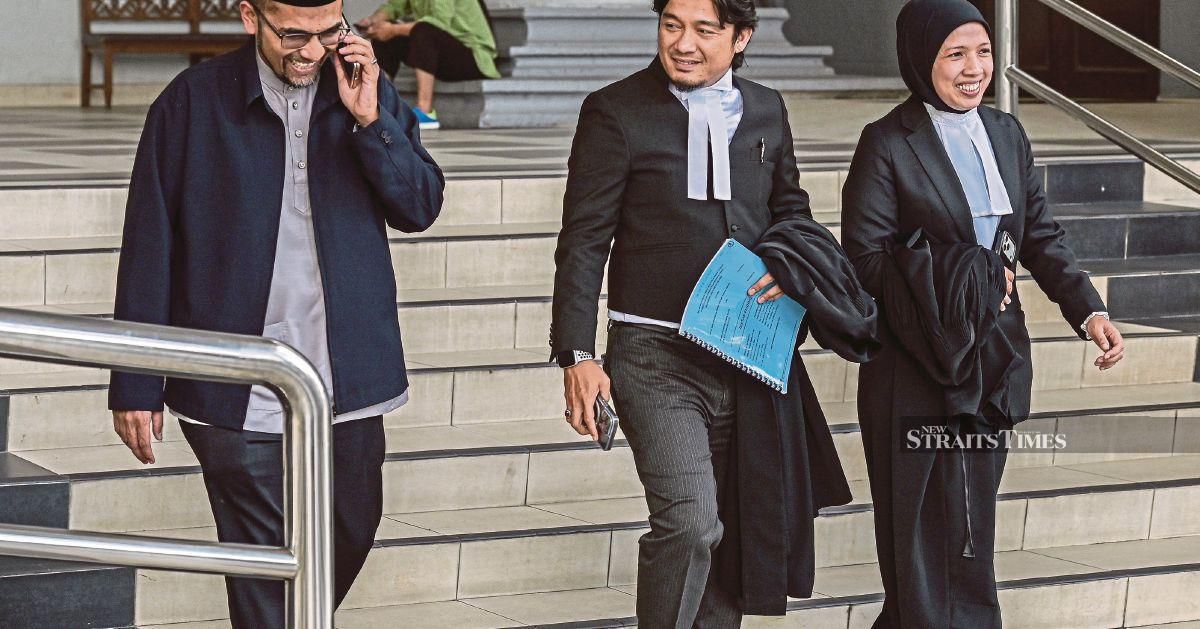
Datuk Dr Mohd Asri Zainul Abidin, the Mufti of Perlis, has won a significant legal victory in his defamation battle, with the High Court in Kuala Lumpur ordering a Facebook account holder to pay him RM250,000 in damages. The court's decision hinged on posts published on the social media platform that sought to establish a connection between the religious leader and GISB Holdings Sdn Bhd (GISBH), a company that has faced considerable public scrutiny in Malaysia.
The ruling represents a noteworthy application of defamation law in the digital age, where Malaysian courts are increasingly called upon to adjudicate disputes arising from social media publications. The case underscores the legal consequences individuals and entities may face when making unsubstantiated allegations on public platforms, particularly when those claims target public figures. The quantum of damages awarded reflects the court's assessment of the harm caused to the mufti's reputation through the circulation of false or misleading statements.
GISBH has been the subject of considerable controversy in Malaysia, with its activities and associated individuals facing intense public and regulatory scrutiny. The company's operations have drawn attention from various stakeholders, making it a sensitive touchstone in public discourse. The defamatory posts in question sought to implicate the Perlis Mufti in these contentious affairs, allegations that the High Court has now determined to be baseless and damaging to his standing.
The defendant's Facebook account had disseminated material that the court found went beyond fair comment or legitimate public interest discussion. Instead, the judicial determination suggests the posts crossed the threshold into actionable defamation—statements presented as fact without adequate foundation, calculated to injure the plaintiff's reputation. The court's willingness to award substantial damages sends a signal about the seriousness with which Malaysian jurisprudence treats such violations in the social media sphere.
For religious leaders and public figures in Malaysia, this judgment carries procedural and substantive importance. Many prominent Malaysians have found themselves targets of unfounded allegations circulated through digital channels, often with limited recourse or awareness of legal remedies available. The Perlis Mufti's successful prosecution of this claim demonstrates that the courts remain available as a forum for vindication and compensation, even when harm originates in the informal digital realm.
The case also highlights the distinction between protected speech—such as criticism, satire, or reporting of matters in the public interest—and unprotected defamatory speech that fabricates connections to controversial entities. Malaysian courts have developed jurisprudence around these boundaries, though the rapid evolution of social media communication continues to present novel circumstances. The judgment clarifies that merely publishing something on Facebook does not insulate it from legal accountability.
Defamation suits in Malaysia typically require plaintiffs to establish three core elements: that the statement was defamatory in character, that it was published, and that the plaintiff suffered consequent harm. The High Court's decision to award damages on a partial basis suggests it may have found merit in some claims whilst determining others could not be sustained under applicable law. The specificity of the RM250,000 figure likely reflects the court's careful calculation of quantifiable and non-quantifiable losses, including injury to reputation, emotional distress, and potential impact on the mufti's credibility and standing within religious and public communities.
The financial exposure faced by the defendant underscores an important reality for social media users in Malaysia: digital platforms do not provide immunity from libel law. With internet penetration and social media usage high throughout Southeast Asia, Malaysian courts continue to adapt traditional defamation principles to digital contexts. Users who share or post false statements about identifiable individuals—whether public figures or private citizens—may face civil liability irrespective of the technological medium through which the defamatory matter is conveyed.
For GISBH itself, the judgment adds another layer to the reputational challenges it has faced. The court's implicit validation that false associations between GISBH and respected figures constitute actionable harm demonstrates judicial recognition of the company's notoriety and its connection to negative public sentiment. Nevertheless, the mufti's vindication through damages does not necessarily resolve broader questions about GISBH's operations or governance that have animated public concern.
The decision may also prompt increased caution among Malaysian social media users regarding posts that make sweeping accusations without evidentiary support. At the same time, it reinforces the availability of civil remedies for those whose reputations suffer from digital defamation. The balance between protecting free expression and preventing malicious falsehoods remains delicate, but the High Court's judgment suggests Malaysian jurisprudence continues to hold that deliberately false accusations targeting identifiable persons warrant legal remedy.
Moving forward, this case will likely influence both individual behaviour on social media platforms and the strategies employed by public figures in defending their reputations. The RM250,000 award serves as both compensation for the Perlis Mufti and a practical warning to potential defendants considering similar posts. As digital communication becomes ever more central to public discourse throughout Malaysia and the region, judicial clarification of how established legal principles apply to social media remains essential for protecting both individual reputation and the integrity of public debate.

