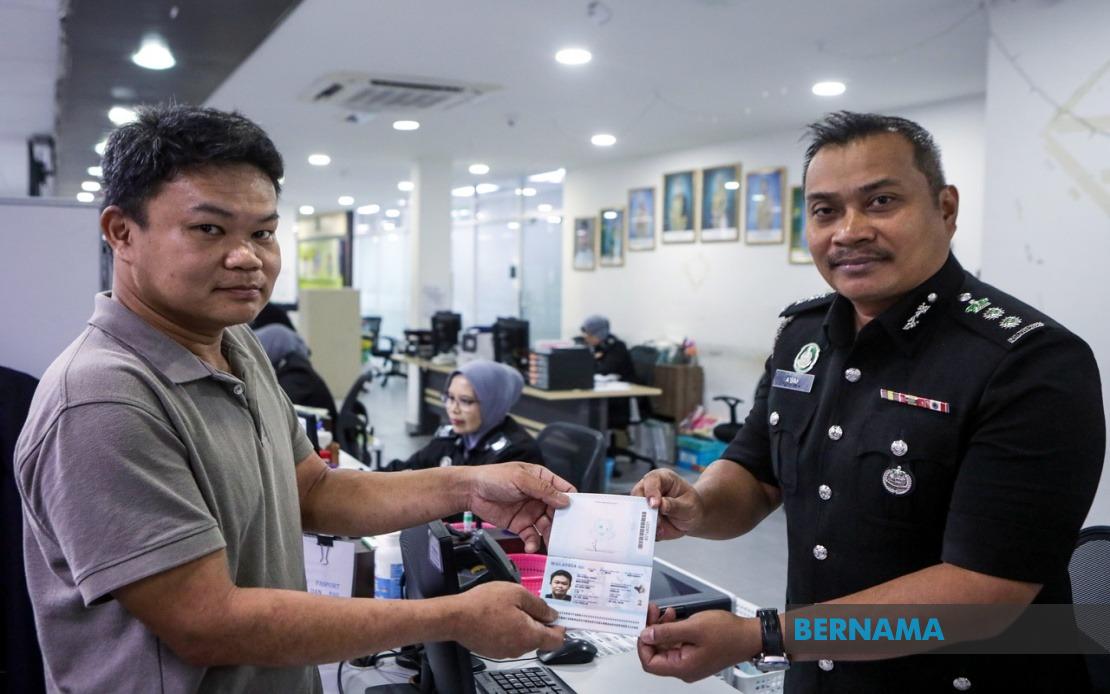
The Perlis Immigration Department has started distributing the newly designed Malaysian International Passport (PMA), marking the first rollout of the upgraded travel document in the northern state. The modernised passport incorporates 94 distinct security features designed to combat fraud and provide enhanced protection against document forgery. Perlis Immigration director Mohammad A'sim Md Ali confirmed the commencement of services at a press briefing held at the Kangar Urban Transformation Centre (UTC) Immigration Office on July 20.
The introduction of this new travel document follows Prime Minister Datuk Seri Anwar Ibrahim's official launch on June 30, with the public application window opening on July 1 to all eligible Malaysian citizens aged 18 and above. A key innovation allows applicants to select their preferred passport validity period, choosing between a five-year or ten-year document depending on their travel requirements and personal circumstances. This flexibility represents a shift from the previous standardised approach and acknowledges diverse needs among the travelling public.
Currently, Perlis residents seeking the new passport must apply through the Immigration Office at the Kangar UTC, as this facility houses the only operational passport printing machine in the state at present. Mohammed A'sim indicated that a second printing facility will be established at the Perlis Ministry of Home Affairs (KDN) Complex, though this expansion remains contingent on completion of ongoing infrastructure upgrades. The director projected that the facility and its accompanying service counters would be fully operational by October, subject to the timely completion of renovation work.
Early uptake of the new passport in Perlis has exceeded initial expectations, with immigration officials reporting positive public reception during the first operational day. Between January 1 and July 17, the Perlis Immigration Department processed a substantial volume of travel documents, issuing 6,918 standard passports alongside 72 Restricted Travel Documents and 24,732 Border Passes, representing a combined total of 31,722 travel documents. These figures underscore the sustained demand for travel documentation among Perlis residents and highlight the departmental capacity to manage substantial processing volumes.
The transition to the new Malaysian International Passport represents a significant modernisation initiative across the nation's immigration infrastructure. The enhanced security architecture embedded within the document addresses persistent concerns regarding travel document integrity and positions Malaysia competitively within the international travel security landscape. By incorporating sophisticated anti-counterfeiting measures and advanced biometric elements, the new passport strengthens Malaysia's standing among nations prioritising document verification protocols.
For Malaysian travellers, the introduction of variable validity periods offers practical advantages. Business professionals and frequent travellers may opt for the extended ten-year validity, reducing renewal frequency and associated administrative burdens, whilst occasional travellers can choose the five-year option, balancing cost considerations against their travel patterns. This optionality reflects a more consumer-responsive approach to passport administration.
The phased rollout across immigration offices nationwide indicates a measured implementation strategy designed to ensure service quality and prevent processing backlogs. Whilst Perlis represents an early adopter, similar facilities are anticipated to become operational in other states as their respective infrastructure preparations progress. This staged approach mitigates potential service disruptions whilst allowing immigration departments to refine procedures and train personnel effectively.
For regional context, Malaysia's investment in next-generation passport technology aligns with broader Southeast Asian trends toward enhanced travel security. As regional integration intensifies through frameworks like the ASEAN Single Window and cross-border mobility agreements, upgraded travel documents become increasingly critical. Malaysia's advancement in this domain reinforces its position as a regional technology leader and strengthens interoperability with neighbouring countries' immigration systems.
The Perlis Immigration Department's successful commencement of new passport issuance demonstrates operational readiness amongst state-level immigration authorities. The positive public reception recorded during initial implementation suggests widespread acceptance of the innovation amongst citizens. As additional printing facilities come online across Malaysia, the nation's entire passport administration infrastructure will undergo comprehensive modernisation, positioning the country to meet evolving international travel security standards while delivering enhanced convenience to Malaysian citizens navigating an increasingly connected world.

