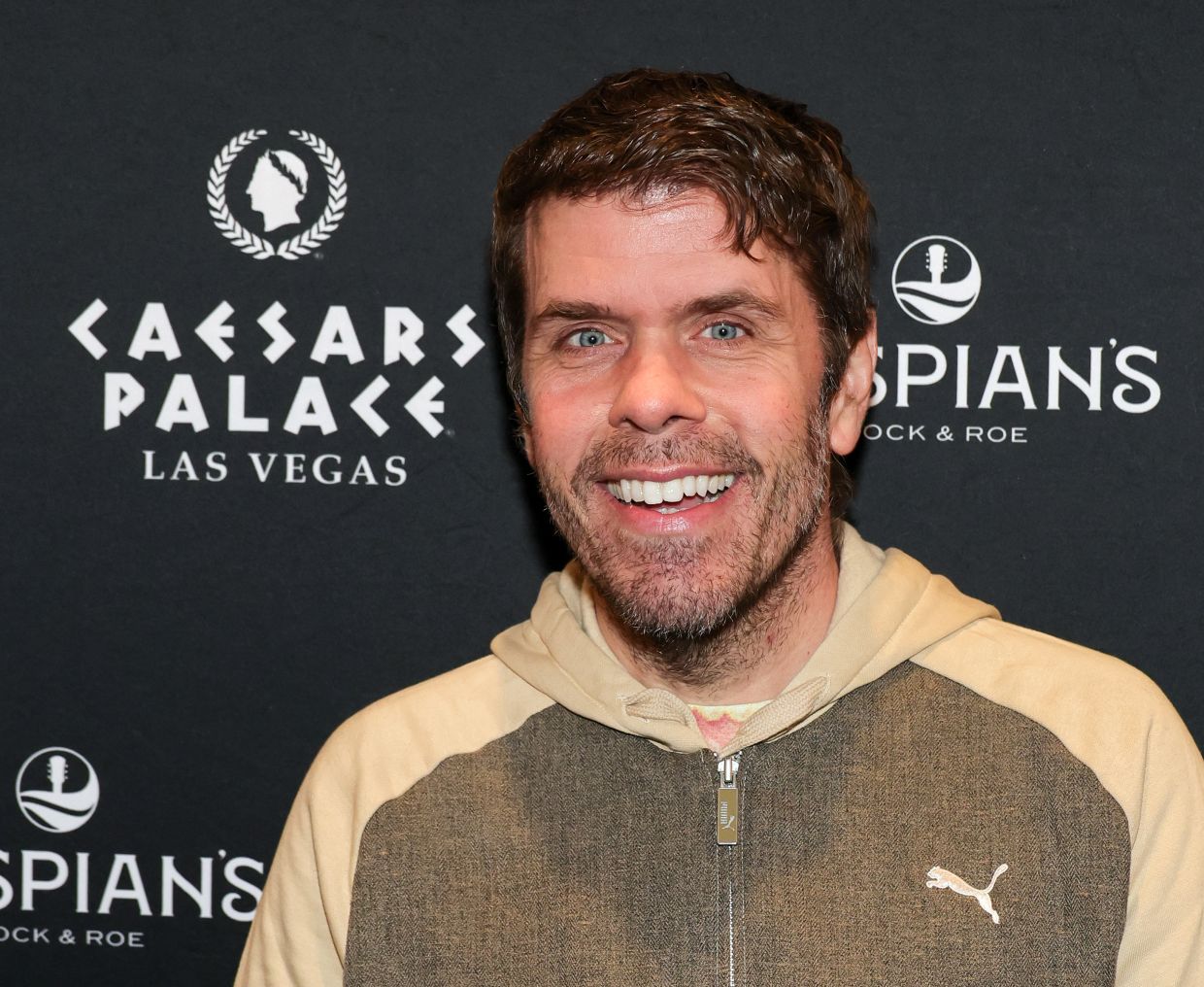
The family of celebrity blogger Perez Hilton has appealed publicly for the media and paparazzi to cease gathering around their Miami residence, citing the profound distress caused by a serious mental health episode that unfolded in the presence of his young children. In a carefully worded statement released Thursday through Hilton's website, relatives described the preceding days as causing "nearly unbearable" emotional strain on the household, underscoring the urgent need for space and privacy as they collectively attempt to process the traumatic events that transpired.
According to the family's account, Hilton's three children, along with his niece and sister, were present inside the Miami home when the mental health crisis began to manifest. The statement reveals that as soon as family members recognised the severity of his condition and understood that he was engaging in self-harm, they made the immediate decision to evacuate the children from the premises to shield them from witnessing further trauma. This detail carries particular weight in understanding the scope of the crisis and its ripple effects across the entire household.
The incident that triggered the family's statement occurred on Tuesday evening, when Miami police received multiple emergency calls reporting a disturbing livestream broadcast on TikTok. During the livestream, Hilton appeared visibly bloodied while repeatedly harming himself with sharp implements, including a box cutter and knife. The disturbing content alarmed both concerned fans watching the broadcast and platform moderators, who collectively alerted authorities to the unfolding crisis. The incident represents a dramatic public manifestation of what the family characterises as a severe mental health emergency.
The Miami-Dade Sheriff's Office responded by surrounding Hilton's residence, and by approximately 9pm that evening, authorities confirmed that he had been located safely. Miami-Dade Fire Rescue transported him to a local medical facility where he could receive comprehensive mental health treatment and stabilisation. The fact that he reached hospital care relatively quickly suggests that emergency responders took the incident with appropriate seriousness and moved swiftly to ensure his safety.
In their Thursday statement, family members emphasised that their foremost concern centres on facilitating healing for Hilton's three children and niece, all of whom directly experienced the crisis. The family articulated their understanding that recovery from witnessing such a traumatic event requires not merely emotional support but also a return to physical safety and restored normalcy within their home environment. They characterised the process of rebuilding a sense of security as fundamental to the children's long-term emotional well-being.
The family made an explicit and respectful plea to members of the media landscape, including traditional press outlets, paparazzi operations, independent content creators, and members of the general public, to vacate the vicinity of their residence and refrain from returning. Their request emphasised the particular vulnerability of the children involved and framed the request around their safety, privacy, and psychological well-being during what they described as an "unimaginably difficult time." The specificity of naming multiple categories of observers—from professional paparazzi to casual social media creators—reflects the modern media ecosystem's fragmented nature and the multifaceted attention that public figures attract.
While detailed information about Hilton's medical condition remained limited at the time of the family's statement, relatives confirmed that he retained the ability to communicate with loved ones. This capacity for communication reportedly provided the family with a source of hope amid their distress, suggesting that despite the severity of the crisis, meaningful recovery might be possible. The emphasis on this detail underscores how even small indicators of stability can carry outsized emotional significance for families navigating mental health emergencies.
Interestingly, concurrent with the family's statement, conservative political commentator Sean Hannity released a previously recorded interview with Hilton that had been filmed in recent weeks. In this conversation, Hilton reflected candidly on his long career as a celebrity gossip blogger and influencer, acknowledging that he had developed what he characterised as an addiction to attention-seeking behaviour. He described how his pursuit of notoriety had led him to prioritise sensationalism over compassion, stating that he had hurt numerous people throughout his career in service of his own need for attention.
The interview revealed that Hilton had undertaken efforts to make amends with several celebrities he had previously targeted with aggressive commentary and coverage. He indicated that Britney Spears and Khloe Kardashian had proved receptive to his apologies, while he had also privately approached Neil Patrick Harris to express remorse for aggressively attempting to publicly out him as a gay man in 2006, before Harris had chosen to reveal his sexuality publicly. Harris reportedly accepted Hilton's apology, suggesting that at least some of those he harmed have proven willing to grant forgiveness.
Hilton articulated a broader reckoning with his past professional conduct, acknowledging that while he could continue to create engaging entertainment content, he no longer needed to employ methods that were deliberately cruel or designed to demean others. He described carrying deep regret about his previous approach, characterising it as "scarlet letter" baggage that weighs heavily upon him. This reflection suggests a genuine process of self-examination regarding the consequences of his earlier work in celebrity media.
The trajectory of Hilton's recent life appears marked by health crises that have prompted spiritual and philosophical reflection. In March, he was hospitalised for severe sepsis, an experience he survived after 21 days of medical treatment. During that hospitalisation, Hilton reported experiencing a spiritual awakening that he attributed to divine intervention. Emerging from that health ordeal, he has increasingly aligned himself with religious content, launching a merchandise line connected to faith themes and speaking about his spiritual transformation during podcast appearances.
The convergence of these elements—a devastating mental health crisis involving his children, his family's public request for privacy, his prior reflections on regret and redemption, and his reported spiritual awakening—paints a portrait of a public figure navigating profound personal challenges while attempting to reconcile his past actions with present circumstances. For Malaysian and Southeast Asian observers, the incident serves as a reminder of the human costs associated with attention-driven media ecosystems and the vulnerability that public figures face when personal crises intersect with constant surveillance and commentary.

