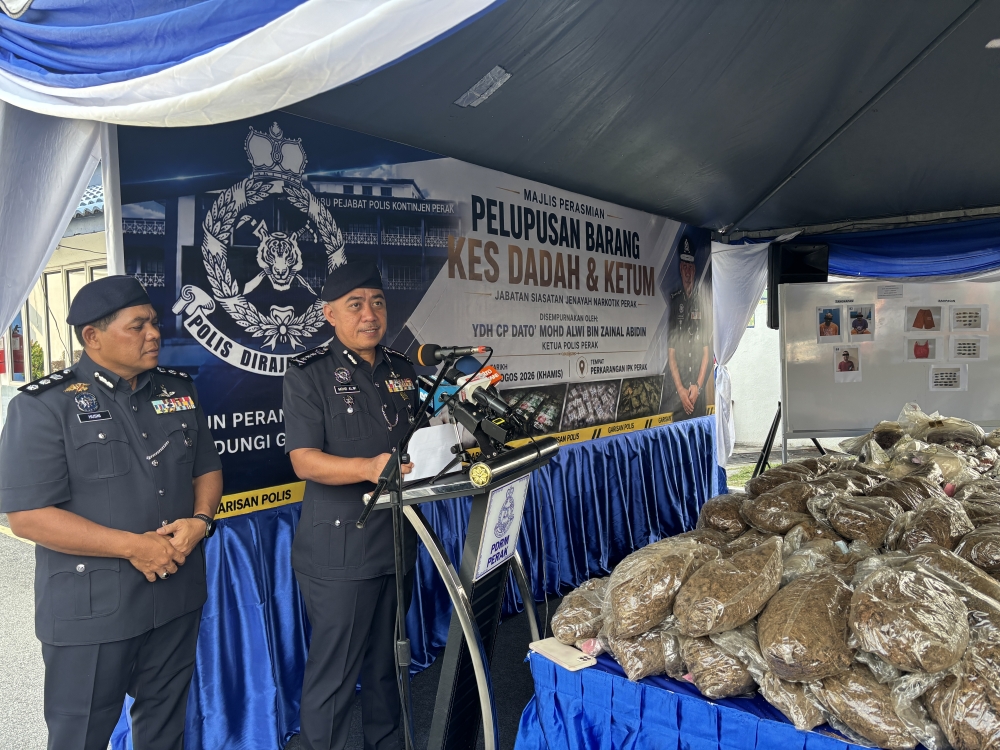
Law enforcement authorities in Perak have begun a formal investigation into allegations of sexual harassment directed at the chief executive officer of PKNPk, marking the latest development in a dispute that has drawn public attention to workplace conduct standards within state-linked enterprises. The inquiry, launched by the Perak police force, encompasses not only the initial complaints regarding inappropriate conduct but also concurrent allegations of slander that have emerged during the unfolding of this matter. This dual-track investigation reflects the complexity inherent in modern workplace misconduct cases, where allegations of harassment frequently intersect with counterclaims concerning reputation damage and the dissemination of information.
The involvement of law enforcement in corporate governance issues represents a significant escalation from internal complaint mechanisms that many organisations typically deploy. When allegations of sexual harassment reach the stage of police investigation, it signals that complainants or relevant authorities view the matter as potentially criminal in nature, rather than merely a human resources concern to be resolved through departmental procedures. In Malaysia, sexual harassment allegations have increasingly become matters of public and institutional scrutiny, particularly when they involve senior leadership positions within organisations that maintain public responsibilities or government connections.
PKNPk, as a state-controlled entity in Perak, operates with considerable visibility and accountability to both state government oversight and public scrutiny. Leadership conduct within such organisations carries implications beyond the confines of the company itself, influencing public confidence in governance standards and institutional integrity. The investigation therefore extends beyond the personal circumstances of the individuals involved to encompass broader questions about organisational culture and the adequacy of existing safeguards against misconduct. For Malaysian readers attuned to questions of corporate accountability, particularly in government-linked companies, such investigations underscore the tension between institutional self-regulation and external oversight mechanisms.
The distinction between the sexual harassment allegations and the concurrent slander investigation highlights the legal and factual complexities that emerge when such disputes become public. Individuals accused of misconduct may themselves face reputational damage from the circulation of allegations, creating potential grounds for defamation claims. This countermeasure, while legally available, frequently complicates public discourse around sexual harassment by introducing questions about the credibility and motivations of those bringing forward complaints. The two-pronged investigation approach suggests that police are treating both dimensions as requiring formal examination rather than dismissing either category of claim as inherently less serious.
Sexual harassment in Malaysian workplaces remains an area where formal complaints and prosecutions remain relatively infrequent compared to prevalence surveys suggesting the problem's actual scope. The decision by Perak authorities to initiate a criminal investigation may therefore carry significance beyond the immediate parties involved, potentially influencing how other state and federal institutions address similar complaints. Additionally, the case serves as a reminder that sexual harassment allegations, while often addressed through internal mechanisms in many organisations, can escalate to the criminal justice system when complainants believe institutional remedies are inadequate or when other complicating factors, such as power imbalances or retaliation concerns, are present.
The institutional context of PKNPk as a state-owned entity further distinguishes this case from purely private sector disputes. State-linked corporations operate under heightened public expectations regarding governance standards and executive conduct. Stakeholders ranging from state government officials to employees, contractors, and the broader public maintain legitimate interests in the conduct of senior leadership. When sexual harassment allegations emerge within such organisations, they carry implications for how the state itself is perceived as a steward of institutional standards and corporate culture.
The investigation's explicit inclusion of slander allegations raises questions about the broader environment within which the original harassment claims emerged and were processed. If individuals making sexual harassment complaints face counterclaims regarding false statements, the dynamics of reporting and disclosure shift considerably. Research on workplace harassment has consistently demonstrated that fear of retaliation, including defamation claims or character assassination, frequently deters individuals from coming forward with complaints. The presence of such counterclaims within this investigation may therefore illuminate systemic obstacles to harassment reporting that extend beyond this single case.
For Malaysian businesses and state institutions, the Perak police investigation serves as a practical reminder that workplace misconduct allegations increasingly operate within a formal legal framework. Organisations that depend primarily on internal human resources mechanisms, without clear escalation pathways or external reporting options, may find themselves facing police investigations when employees or complainants view internal processes as insufficient. This reality should encourage institutional self-examination regarding the adequacy of existing complaint mechanisms and the clarity with which organisations communicate pathways for reporting misconduct and seeking remedies.
The investigation also reflects evolving expectations around accountability in Southeast Asia's corporate governance landscape. Malaysian institutions, particularly government-linked companies, operate within regional and global contexts where standards of workplace conduct and harassment prevention are increasingly formalised and monitored. International investors, partners, and stakeholders increasingly scrutinise governance practices within Malaysian enterprises. How state authorities and corporations respond to allegations of sexual harassment therefore carries implications that extend beyond national borders to influence perceptions of Malaysia's institutional quality and business environment.
As the Perak police investigation proceeds, attention will likely focus on the adequacy and impartiality of the inquiry process, the specific evidence and testimonies examined, and the ultimate determinations reached by investigators and potentially prosecutors. The case will inevitably influence how other Malaysian institutions approach similar allegations, whether through reinforcement of existing procedures or adoption of enhanced safeguards and transparency measures. For employees within state-linked enterprises and government organisations across Malaysia, the investigation may serve as both cautionary example and potential catalyst for reviewing their own institutional procedures for addressing workplace misconduct allegations.

