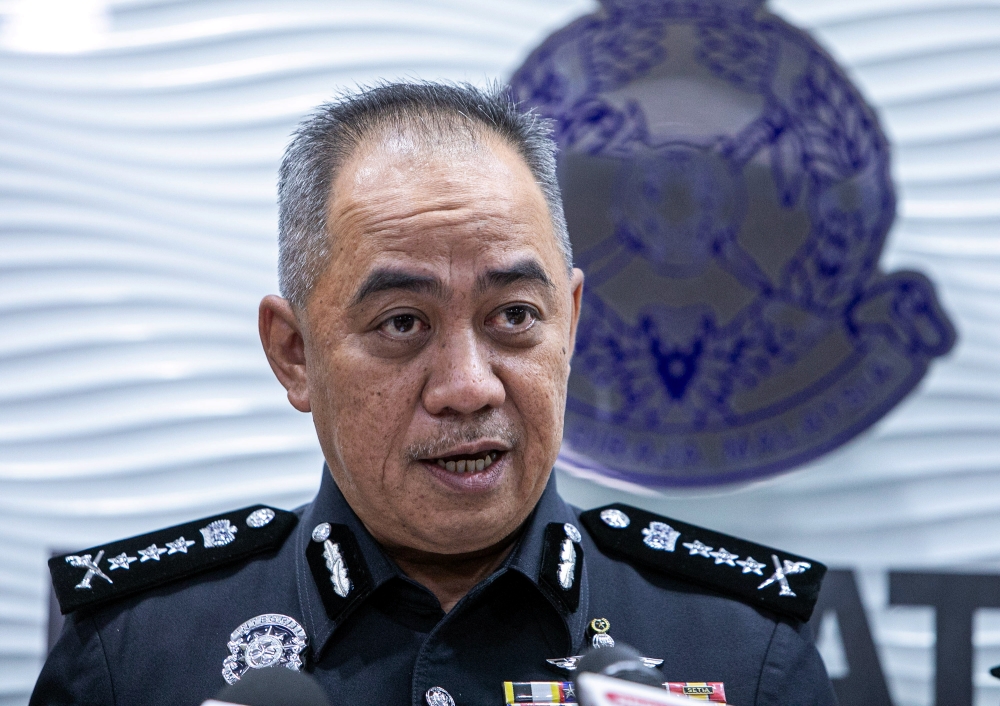
Police authorities in Perak have moved decisively against transnational fraud operations, conducting simultaneous raids that resulted in the detention of 12 Chinese nationals suspected of orchestrating romance scam activities from bases in Ipoh. The enforcement action represents an intensifying effort by Malaysian law enforcement to combat organised cybercrime syndicates that have proliferated across the region and caused substantial financial and emotional harm to vulnerable populations.
The coordinated operations, executed across two separate premises in the state capital, highlight the growing sophistication of love scam networks that exploit emotional vulnerabilities to extract money from unsuspecting victims. These criminal organisations typically employ elaborate false identities and fabricated personal narratives to establish trust with targets, often claiming to need financial assistance for various emergencies before disappearing with victim funds. The scale and coordination evident in Ipoh suggests these operations represented more than isolated instances of fraud.
Such schemes have become increasingly prevalent throughout Malaysia and neighbouring countries, with authorities receiving mounting complaints from individuals who have lost substantial sums after months or even years of emotional manipulation. The victims frequently report sending money for purported business ventures, travel expenses, medical emergencies, or other sympathetic scenarios presented by scammers using stolen photographs and elaborate backstories. The psychological impact extends beyond financial loss, leaving survivors traumatised and questioning their ability to form genuine relationships.
The targeting of foreign nationals as perpetrators underscores how romance scam networks operate as transnational enterprises, often coordinated from Southeast Asian bases by international criminal groups. These organisations utilise advanced communication technologies, encrypted messaging platforms, and multiple payment channels to maintain anonymity while funnelling stolen money through complex networks that obscure the trail for investigators. The involvement of 12 suspects from China suggests either direct involvement from international organised crime networks or franchised operations managed by local controllers on behalf of overseas bosses.
Malaysia has emerged as a significant hub for such operations, partly because of relatively accessible telecommunications infrastructure, availability of low-cost accommodation suitable for running call centres, and proximity to target markets across Asia. The country's strategic location and visa accessibility make it an attractive base for criminal syndicates seeking to establish fraud operations before dispersing to other jurisdictions. Previous investigations have revealed connections between romance scam centres and other forms of cybercrime including investment fraud and lottery scams.
The Ipoh discovery reflects broader law enforcement trends across Malaysia, with police units increasingly coordinating with federal cybercrime agencies and intelligence services to identify and neutralise such networks. The Royal Malaysia Police's special task forces have expanded capacity to monitor digital platforms where scammers operate, analyse financial transaction patterns indicative of fraud, and gather evidence sufficient for prosecution under existing criminal statutes. Cooperation with international partners including authorities in China, Singapore, and Thailand has enhanced the ability to trace money flows and identify organisational structures.
Victims of romance scams in Malaysia face particular challenges in seeking redress, as the fraudulent activity often spans multiple jurisdictions with varying legal frameworks and differing levels of law enforcement resources. Many victims remain reluctant to report incidents due to embarrassment or fear of social stigma, meaning actual victimisation figures substantially exceed reported cases. This underreporting makes it difficult for authorities to fully assess the economic impact of organised romance fraud on Malaysian households and to allocate resources proportionally to the threat scale.
The detained individuals now face investigation under provisions of Malaysia's Computer Crimes Act and Anti-Money Laundering Act, potentially supplemented by charges related to fraud and conspiracy. Cooperation between Perak state police and federal agencies will likely extend to examining the operational infrastructure, identifying victims, tracing financial proceeds, and determining the extent of coordination with networks operating elsewhere. Such investigations typically reveal international supply chains for fraudulent materials including fake identity documents, SIM cards registered under false names, and cryptocurrency exchange accounts.
Beyond immediate prosecutions, the Ipoh operation carries implications for cybersecurity awareness among Malaysian consumers and the effectiveness of existing regulatory frameworks governing online financial transactions. Banks and payment service providers face mounting pressure to enhance verification procedures and implement algorithms capable of detecting patterns consistent with fraud. Yet balancing security against customer convenience remains perpetually challenging, particularly for developing countries where financial inclusion initiatives depend on accessible digital payment infrastructure.
The case also highlights vulnerabilities in international cooperation mechanisms, as scammers exploit jurisdictional gaps and differing legal definitions of fraud across countries. While Malaysia strengthens domestic enforcement capacity, complementary efforts requiring coordination with source countries, transit hubs, and destination nations remain essential for disrupting operations at scale. Enhanced information sharing between regional police forces and international financial intelligence units could substantially increase the costs for criminal organisations attempting to operate in the region.

