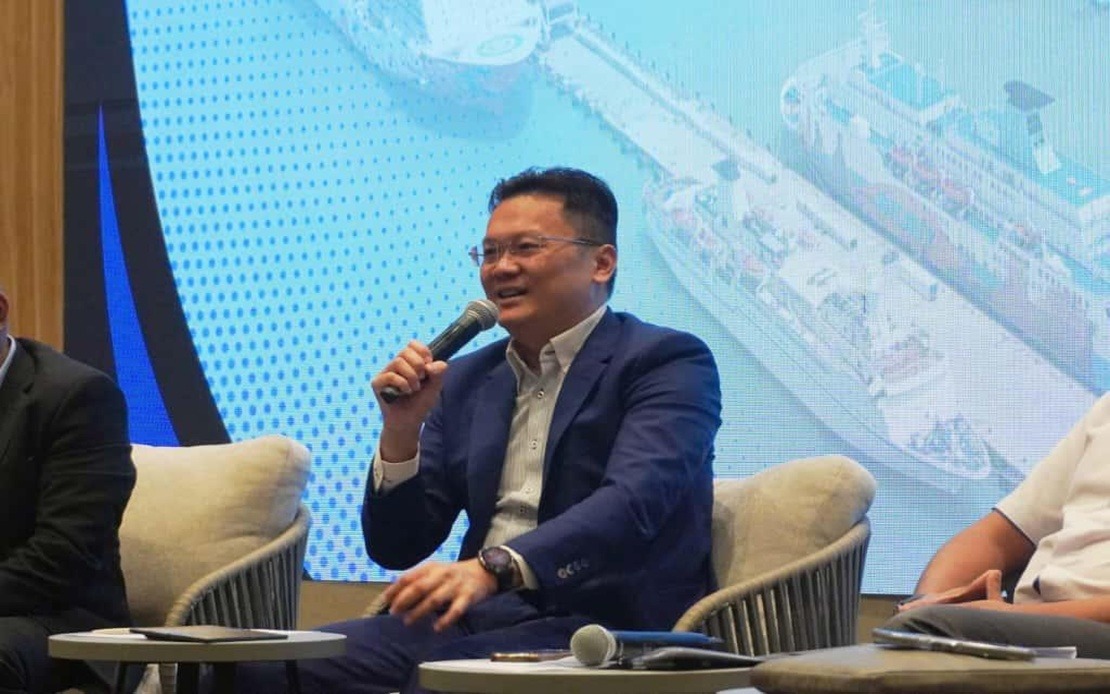
Penang Port Commission has rolled out a comprehensive system to govern how vessels discharge and manage waste at Malaysia's second-largest port, marking a significant step towards tightening maritime environmental controls in the country. The new Standard Operating Procedure represents an effort to establish uniform practices across all port terminals handling ship waste, ensuring compliance with environmental regulations while maintaining operational efficiency at a facility that processes thousands of vessels annually. Datuk Yeoh Soon Hin, the commission's chairman, framed the initiative as essential to advancing the port's transition towards lower-carbon operations and safeguarding coastal ecosystems from the risks of improper maritime waste disposal.
The framework distinguishes between three categories of ship-generated waste, each requiring separate handling protocols. Scheduled waste materials—typically hazardous residues from vessel operations—demand the strictest oversight, while domestic waste including packaging materials and other non-hazardous items follow less stringent but still regulated pathways. Sewage waste from ships represents the third category, with its own specific treatment and discharge requirements. This tiered classification allows port authorities to calibrate enforcement intensity and allocate resources proportionally, preventing high-risk materials from entering disposal channels that lack adequate safety infrastructure.
Operators seeking to manage any category of ship waste must now navigate a multi-agency approval gauntlet. Beyond the Penang Port Commission itself, companies require clearance from the Department of Environment, the National Water Services Commission, the Royal Malaysian Customs Department, and local government bodies. This layered authorization system, while potentially cumbersome, reflects Malaysia's fragmented environmental governance structure and ensures that waste operations undergo scrutiny from institutions responsible for different compliance domains. The requirement effectively raises barriers to entry for waste management operators, likely consolidating the sector around larger, better-resourced firms capable of managing bureaucratic complexity.
Once licensed to operate, companies assume full accountability for executing waste handling activities safely and systematically. The circular stipulates that operators must verify waste quantities directly with vessels before accepting materials, creating a documentary trail that prevents discrepancies between declared and actual volumes. This verification requirement addresses a chronic problem in ports worldwide: deliberate underreporting of waste quantities to minimize disposal costs, which frequently results in ocean dumping or mishandling. By institutionalizing quantity reconciliation as a gatekeeping step, Penang Port raises the cost of circumventing proper disposal channels.
Post-operation documentation becomes equally critical under the new regime. Operators must submit disposal notes or discharge certificates to both Penang Port Commission and relevant government agencies after completing waste management activities. These records create an auditable chain of custody that enables regulatory oversight and provides evidence should environmental incidents occur. For Malaysia, which has struggled with inadequate maritime environmental monitoring, this paper trail offers authorities a mechanism to track waste streams and hold operators accountable for their ultimate fate. The documentation requirement also establishes a historical record useful for identifying systemic problems or recurring violations.
The initiative aligns with Transport Minister Anthony Loke's broader Green Port ambition, a policy direction that seeks to position Malaysian ports as environmental leaders in Southeast Asia. This positioning carries commercial significance beyond environmental virtue—international shipping companies increasingly factor port sustainability credentials into routing decisions, and certification schemes like the Green Port Programme can enhance competitive positioning. For Penang Port, demonstrating rigorous waste management strengthens its appeal to environmentally conscious operators while potentially justifying premium fees for facilities offering superior environmental standards.
From a pollution prevention standpoint, the procedures reduce marine environmental risk by ensuring that hazardous ship-generated materials do not enter the Port Dickson waterway or surrounding coastal areas through unauthorized discharge or inadequate disposal. Ship waste historically includes oily residues, used lubricants, battery acids, and other toxic substances that persist in marine ecosystems. By requiring licensed, monitored disposal pathways, Penang Port Commission limits the avenues through which these materials reach sensitive aquatic habitats and fish breeding grounds critical to Malaysia's fishing industry.
The SOP also catalyzes waste reduction and recycling adoption by establishing conditions under which these practices become operationally viable. When improper disposal remains cheaper than recycling, operators naturally default to least-cost options regardless of environmental consequences. By mandating licensing only for operators meeting environmental standards and by creating regulatory costs for non-compliant behavior, the circular makes sustainable waste management economically rational. Penang Port Commission signalled intentions to encourage technology adoption and best-practice dissemination, suggesting the port will not merely enforce compliance but actively facilitate the transition to higher environmental standards among port users.
Continuous monitoring and auditing mechanisms provide the enforcement teeth that many Malaysian environmental policies historically have lacked. The commission committed to conducting inspections and audits of licensed waste handlers, enabling detection of violations before they escalate into environmental incidents. This proactive surveillance approach contrasts with reactive enforcement models that depend on environmental damage occurring before regulatory intervention begins. For port users and the broader Malaysian business community, the transparency signal is clear: environmental corners cannot be cut without detection risk.
For regional shipping operators, Penang Port's waste management tightening reflects broader regulatory convergence in Southeast Asian ports as international maritime environmental standards trickle down to regional facilities. Vessels calling at Penang will incur waste management costs substantially higher than at less regulated competitors like some ports in Cambodia or Myanmar, potentially influencing routing decisions. This competitive dynamic creates pressure on other Malaysian ports to adopt comparable systems, gradually elevating regional environmental standards. However, operators may also respond by shifting to less regulated ports, highlighting the trade-off between environmental protection and port competitiveness that Malaysian authorities must continuously navigate.
Implementation success depends critically on the capacity of the Port Commission and partner agencies to sustain compliance monitoring over time. Malaysian regulatory agencies frequently struggle with resource constraints that undermine enforcement consistency, and competing priorities can relegate port-specific environmental oversight to secondary importance. The SOP's comprehensiveness is undermined if inspections occur irregularly or if licensing standards drift over time through informal exemptions. The willingness of political leadership to insulate port environmental enforcement from commercial pressure will ultimately determine whether this initiative becomes a model for environmental governance or another policy that exists primarily on paper.

