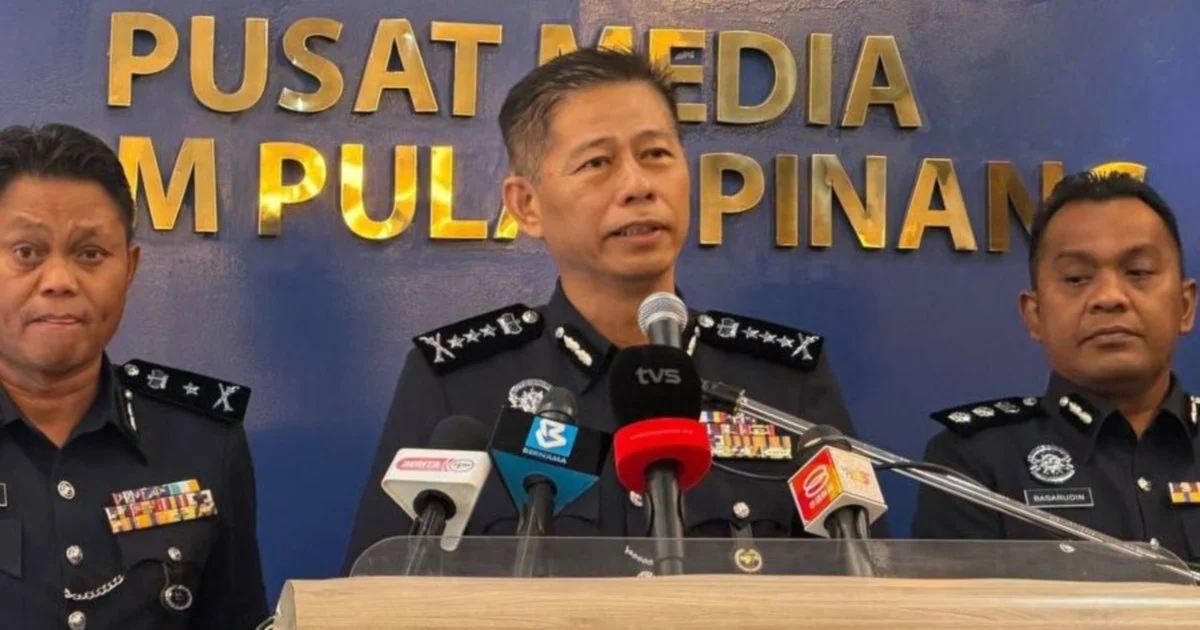
The Penang Police are ramping up their enforcement operations against unlicensed gambling syndicates as the FIFA World Cup tournament approaches its climactic closing matches, according to state police headquarters in George Town. This intensified crackdown reflects growing concerns about illegal betting activities that have surged throughout the month-long competition, mirroring a pattern observed in previous major sports tournaments across the region.
To date, law enforcement officers across Penang have apprehended 31 individuals suspected of involvement in illegal gambling operations linked to World Cup betting. These arrests represent only the initial phase of a more comprehensive strategy to dismantle underground betting networks that have proliferated during the tournament. The escalating nature of police operations suggests that authorities view the remaining matches—particularly the knockout stages and final—as critical windows when illegal wagering activity traditionally reaches its peak.
The timing of this enforcement push is significant for Malaysian readers familiar with how major sporting events generate unprecedented demand for unlicensed betting platforms. World Cup tournaments create lucrative opportunities for organised crime groups to exploit the public's enthusiasm for wagering, particularly among casual gamblers who might otherwise avoid illegal bookmakers. Penang, as a major commercial and tourism hub with a diverse population, has historically been vulnerable to such networks due to its dense population centres and proximity to informal trade channels.
Illegal betting operations pose multiple threats to Malaysian society beyond the obvious criminal dimensions. These syndicates frequently launder money through ostensibly legitimate businesses, diverting revenue from regulated channels that might otherwise contribute to public coffers. Furthermore, individuals who develop gambling habits through unregulated platforms lack consumer protections available through licensed operators, potentially leading to severe financial hardship and associated social problems including loan shark debt and family breakdown.
The enforcement approach adopted by Penang police reflects broader regional challenges in combating transnational gambling networks. Southeast Asia remains a significant hub for organised illegal betting operations that operate across borders, often exploiting regulatory gaps and using digital technologies to evade detection. Penang's position as a gateway state makes it particularly attractive to regional criminal enterprises seeking to establish operations or launder proceeds through Malaysian financial channels.
For Malaysian authorities, the World Cup represents a particularly challenging period because the tournament's global reach and round-the-clock match scheduling across multiple time zones create continuous betting opportunities. Unlike domestically-focused sports where enforcement can be concentrated around specific match days, World Cup betting demand remains relatively constant throughout the tournament duration. This necessitates sustained rather than periodic policing efforts, placing significant pressure on enforcement resources.
The 31 arrests made thus far likely represent the more visible enforcement successes—individuals caught operating from physical locations or conducting transactions through monitored communications channels. However, law enforcement agencies acknowledge that the most sophisticated illegal betting operations have increasingly migrated to encrypted digital platforms and cryptocurrency-based payment systems that are substantially harder to detect and penetrate. This technological evolution means official arrest figures may substantially underestimate the scale of underground gambling activity.
Police escalation during the World Cup's final stages also serves a preventive and deterrent function. High-profile enforcement actions, particularly arrests announced through media channels, aim to discourage participation in illegal betting and signal that authorities remain committed to maintaining law and order. This public-facing component of policing operations is particularly important in jurisdictions where gambling is culturally embedded and where casual participation in illegal betting has become normalised within certain communities.
The relationship between illegal gambling and other forms of organised crime warrants attention from Malaysian policymakers. Intelligence agencies in the region have documented correlations between gambling networks and human trafficking, drug smuggling, and loan shark operations. Individuals ensnared in debt by illegal bookmakers sometimes become vulnerable to coercion by criminal syndicates, creating pathways into more serious criminal involvement. Therefore, the Penang police operations should be understood not merely as gambling enforcement but as part of a broader crime prevention strategy.
Looking forward, the success of Penang's intensified crackdown will depend on sustained coordination between state police, federal law enforcement agencies, and financial intelligence units. International cooperation is equally crucial, as many underground betting networks operate through nodes in neighbouring jurisdictions. The post-World Cup period will be equally important, as criminal organisations typically recalibrate their strategies following major enforcement surges, often shifting operational locations or adopting new technological approaches.
For Malaysian sports enthusiasts planning to engage in wagering during the World Cup's concluding matches, authorities recommend utilising licensed betting platforms regulated by state governments. These operators maintain robust safeguards protecting consumer information and funds, while illegal operators offer no such guarantees. The choice to participate in regulated versus unregulated gambling ultimately carries profound implications not only for individual financial security but for community welfare and public order across Penang and beyond.

