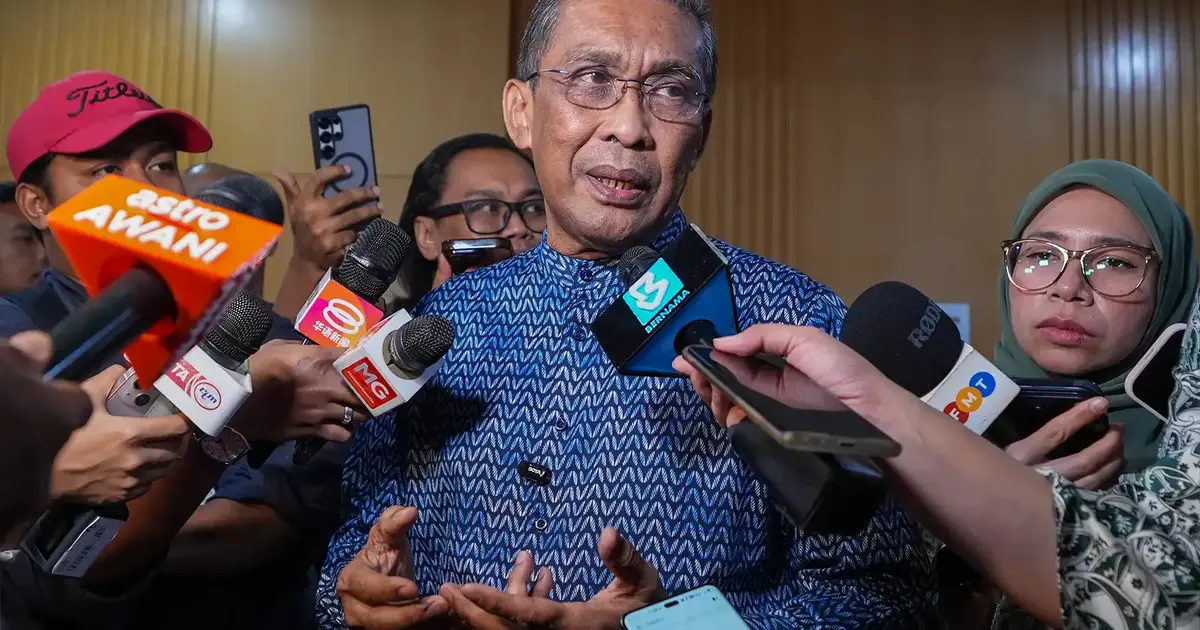
PAS is preparing to formally present a motion addressing its partnership framework with Umno at the forthcoming muktamar assembly, according to the party's secretary-general. The decision signals the Islamic party's intention to seek grassroots endorsement for the bilateral cooperation that has shaped Malaysian politics since their electoral pact in the 2022 general election.
The motion represents a significant step in legitimizing the working relationship between the two Malay-Muslim parties at the party conference, where delegates from state and divisional levels will gather to deliberate on key organisational and strategic matters. By bringing the cooperation arrangement before the muktamar floor, PAS demonstrates commitment to transparent decision-making and allows party members to voice their perspectives on the partnership's direction and scope.
Muslim unity has emerged as a central theme expected to feature prominently in the muktamar's debate sessions. For PAS, which has long positioned itself as a champion of Islamic causes and inter-Muslim solidarity, this focus aligns with the party's foundational mission. The emphasis reflects broader regional and global concerns about Islamic unity, particularly relevant given Southeast Asia's complex religious and geopolitical landscape where multiple Muslim-majority nations navigate different political arrangements.
The cooperation between PAS and Umno carries substantial implications for Malaysian governance. Since their 2022 alignment, the two parties have jointly shaped federal and state-level policies, influenced cabinet positions, and navigated the legislative agenda. Formalising discussion about this arrangement at the muktamar provides an opportunity for party structures to assess outcomes and recalibrate strategies ahead of potential electoral cycles and policy initiatives.
For PAS delegates attending the muktamar, the motion debate will likely explore several dimensions: the effectiveness of joint decision-making mechanisms, resource allocation between the partners, representation in government institutions, and ideological alignment on specific issues. Party members will have the platform to discuss whether the cooperation serves PAS's core constituencies and advances its political objectives.
The timing of this motion carries political significance within Malaysia's evolving party dynamics. The PN (Perikatan Nasional) coalition, which includes PAS alongside PKR and other partners, continues to compete with other political groupings for electoral favour and legislative dominance. By consolidating and clarifying its relationship with Umno through formal muktamar endorsement, PAS aims to present a unified front and demonstrate internal cohesion to both coalition partners and the broader electorate.
Muslim unity discourse at the muktamar extends beyond PAS-Umno relations. Regional dynamics involving Islam's role in governance, social policy, and international relations will likely feature in delegate deliberations. This conversation reflects PAS's positioning as a party deeply invested in Islamic advocacy within Malaysia's plural democracy, where negotiating religious representation remains perpetually consequential.
The muktamar format itself—bringing together representatives from across the party's territorial and organisational divisions—ensures that perspectives from different regions and constituencies inform the motion's reception. PAS branches in Terengganu, Kelantan, and other strongholds where the party maintains deep roots will contribute to the discourse, potentially raising concerns or support based on local political realities and community feedback.
Stakeholders across Malaysia's political spectrum will monitor the muktamar's outcome closely. If the motion receives strong support, it signals internal party consensus on the Umno cooperation and provides PAS leadership with democratic legitimacy for continuing or deepening the arrangement. Conversely, significant opposition would indicate potential fissures that party leaders must address to maintain unity and effectiveness.
For Malaysian political analysts, the muktamar serves as a barometer of PAS's internal health and strategic priorities. The decision to formalise debate on Umno cooperation suggests confidence in the partnership's durability, though it also reflects the need to periodically renew grassroots commitment to major political alignments. As Malaysia's political landscape continues evolving following the 2022 election's reshuffling, such formal endorsements provide stability and predictability in coalition arrangements.
The emphasis on Muslim unity alongside pragmatic cooperation discussions demonstrates PAS's effort to blend ideological commitments with practical political engagement. This balance—between principled Islamic advocacy and flexible coalition building—characterises the party's evolution as it navigates contemporary Malaysian politics where majority Muslim representation intersects with democratic governance, constitutional pluralism, and competitive electoral dynamics.

