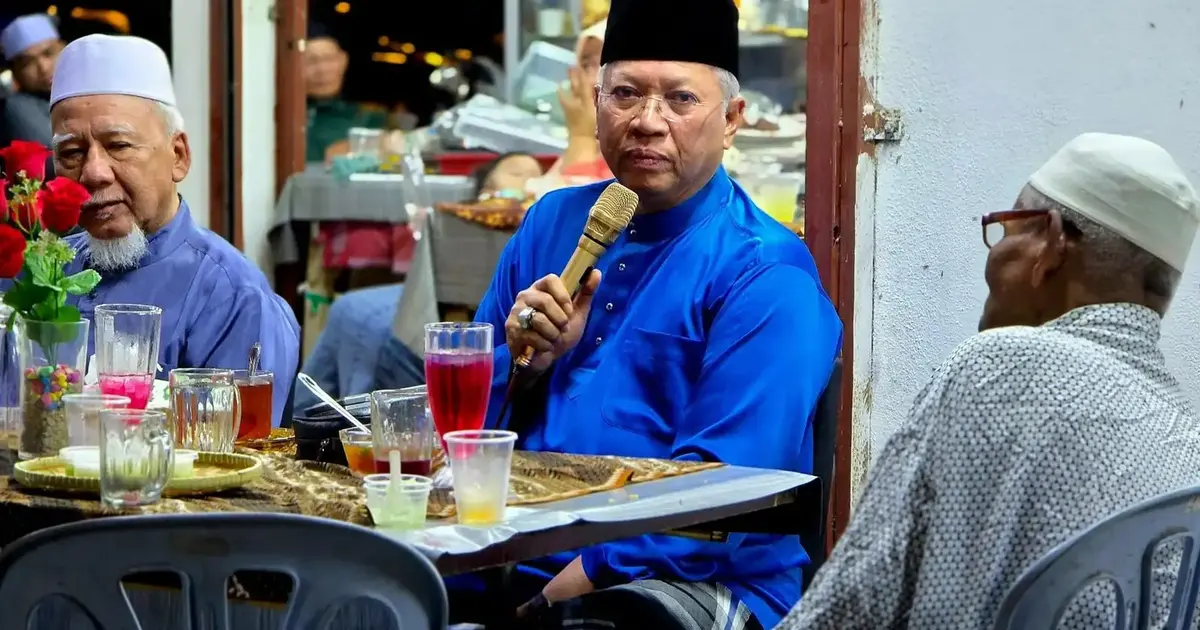
Perikatan Nasional faces mounting pressure to reconcile competing demands from its component parties ahead of the Negeri Sembilan state election, with PAS signalling that meeting Bersatu's seat allocation request would prove untenable. According to PAS information chief Annuar, the Malay-dominant coalition cannot realistically fulfil Bersatu's request for 15 assembly seats in the peninsular state, suggesting deep-seated disagreements over power-sharing arrangements within the increasingly strained alliance.
The tension between PN's major partners reflects broader challenges facing Malaysia's political landscape, where coalition dynamics remain fragile despite efforts to present a united front. Bersatu, the Malay-majority party led by former Prime Minister Mahathir Mohamad, has positioned itself as a kingmaker in several state governments and continues to assert territorial claims in key electoral battlegrounds. The party's demand for a substantial seat allocation in Negeri Sembilan represents a significant claim on resources within the state's 36-member assembly.
Negeri Sembilan holds strategic importance for both PN and the ruling Pakatan Harapan coalition, as control of the state government determines resource distribution and political influence in the central region. The state's relatively modest assembly size means each seat carries proportionally greater weight in negotiations. Bersatu's 15-seat demand would translate into approximately 42 percent of the total assembly—a claim that appears disproportionate relative to its electoral performance and organisational capacity within the state.
Annuar's public declaration of incompatibility between coalition resources and Bersatu's expectations represents a notable departure from typical behind-the-scenes negotiations. By voicing these constraints openly, PAS appears to be laying groundwork for rejecting the demand while maintaining coalition cohesion. This strategic communication suggests that PN leadership recognises the unsustainability of Bersatu's position and seeks to manage expectations before formal seat allocation negotiations commence.
For Malaysian political observers, such public tensions within opposition coalitions underscore the persistent difficulty in maintaining unity among parties with overlapping voter bases and competing leadership ambitions. PN emerged from internal divisions within the previous Perikatan administration, particularly between Bersatu and PKR, and retains structural vulnerabilities stemming from that fractious history. The current seat allocation disputes could destabilise the coalition's entire state-level strategy if not resolved through diplomatic channels.
The Negeri Sembilan scenario illuminates a central problem affecting Malaysian coalition politics: the absence of clear, established mechanisms for equitable seat-sharing that account for party size, electoral viability, and historical performance. Unlike more institutionalised political systems with fixed party quotas, Malaysian coalitions rely heavily on negotiation and mutual accommodation—processes vulnerable to breakdown when one partner's demands exceed available resources. Bersatu's aggressive positioning may reflect frustration over seat allocations in previous contests or miscalculation of its bargaining power within PN.
Regional implications extend beyond Negeri Sembilan, as successful resolution of this dispute could establish precedent for future PN coalition arrangements in other states. Southeast Asian political parties increasingly recognise that coalition management directly affects their capacity to contest national-level elections effectively. A PN rupture over state-level seat allocations could reverberate through the party system, potentially weakening the coalition's ability to challenge Pakatan Harapan in federal politics or other state contests.
Historically, Negeri Sembilan has alternated between different governing coalitions, reflecting the state's politically competitive character. The state's electorate has demonstrated willingness to vote out incumbent governments, making seat allocation particularly consequential since every seat won or lost affects the coalition's parliamentary majority. Bersatu's assertiveness may partly reflect recognition that Negeri Sembilan represents a genuinely competitive arena where marginal gains in seat allocation could translate to coalition control.
PAS's public positioning as the voice of reason within PN also carries tactical implications for the party's broader political standing. By appearing to defend reasonable coalition discipline against what Annuar has characterised as unrealistic demands, PAS reinforces its image as the coalition's stabilising force. This narrative proves useful when appealing to moderate voters concerned about political instability or when justifying difficult compromises to party grassroots members.
The coming weeks will reveal whether Bersatu moderates its demands, whether PAS-Bersatu negotiations yield creative compromise solutions, or whether the disagreement escalates into public conflict that undermines PN's credibility as a governing alternative. Historical precedent suggests that Malaysian coalitions typically reach accommodation despite public tensions, though such processes often involve face-saving compromises that satisfy neither party completely.
For regional observers monitoring Malaysian politics, this Negeri Sembilan episode demonstrates that despite superficial displays of unity, Malaysian political coalitions remain fundamentally fragile entities sustained by temporary alignment of interests rather than deep ideological consensus or institutional stability. How PN resolves this internal dispute will signal whether the coalition possesses sufficient maturity and discipline to function as an effective alternative government.

