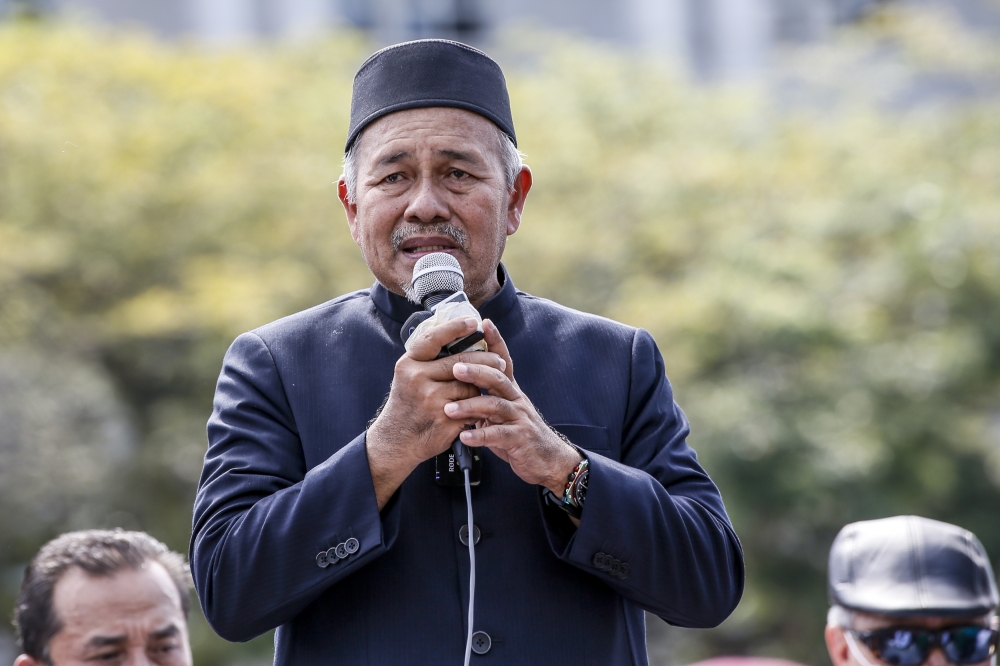
PAS president Tuan Ibrahim Tuan Man has signalled the party's receptiveness towards exploring discussions about widening the strategic partnership between Barisan Nasional and Perikatan Nasional, suggesting potential expansion from current arrangements to include both Melaka state administration and coordination at the national level. The announcement marks a significant development in Malaysia's complex political landscape, where coalition arrangements continue to shape governance structures across multiple tiers of administration.
The prospect of extending this cooperation framework reflects broader calculations within Malaysia's Islamist political movement, which has historically oscillated between alignment with traditional establishment parties and maintenance of independent positioning. For PAS, any formal expansion of the BN-PN arrangement would represent a substantive shift in its negotiating posture and could influence the distribution of ministerial portfolios and decision-making authority across state and federal jurisdictions. Tuan Ibrahim's willingness to engage in such talks indicates that internal party deliberations have concluded that participation in expanded governance structures serves the organisation's institutional interests and ideological objectives.
Malaysia's federal structure creates inherent complexity in managing multi-level coalitions, as state-level arrangements do not automatically translate into compatible national configurations. Melaka presents a particularly significant case study, given its relatively modest size but strategic importance within the broader peninsula politics. The state has experienced considerable political volatility in recent years, with multiple changes in government composition that have reflected shifting alliances among peninsular political actors. Any agreement to formalise BN-PN cooperation in Melaka would need to accommodate the specific factional dynamics and power-sharing expectations of participating parties within that state's context.
The extension of cooperation frameworks to the federal level carries substantially greater implications for Malaysia's national governance. Such an arrangement would represent a fundamental recalibration of the country's governing coalition, moving beyond the existing informal coordination mechanisms that currently exist between BN and PN components. Federal-level cooperation would necessitate detailed negotiations regarding portfolio allocation, legislative strategy, and policy harmonisation across a wider range of governmental functions and spending priorities. The complexity multiplies when considering that both BN and PN comprise multiple constituent parties with their own institutional interests and factional considerations.
PAS's position as a principal actor within Perikatan Nasional grants it leverage in any discussion about broadening existing arrangements. The party commands significant parliamentary representation and maintains organisational strength in multiple states, particularly across northern and eastern peninsular regions. These assets translate into negotiating power that PAS can exercise to secure advantages for its members and sympathetic figures in any expanded coalition framework. Tuan Ibrahim's public articulation of willingness to discuss expansion represents a calculated deployment of this leverage to signal PAS's flexibility while maintaining pressure on potential coalition partners to offer acceptable terms.
From a Malaysian political economy perspective, coalition expansion arrangements often correlate with shifts in resource distribution and state capacity allocation toward preferred constituencies and party networks. The extension of BN-PN cooperation would likely trigger recalibrations in how federal funding flows to states, how major procurement contracts are allocated, and how bureaucratic positions are distributed among party loyalists. These economic dimensions frequently matter more than formal ideological compatibility in determining the durability of Malaysian political coalitions, and any genuine expansion would require detailed negotiation of these material benefits.
The timing of Tuan Ibrahim's statement carries significance in the context of Malaysia's ongoing political calendar and the various pressures acting upon coalition stability. Federal-level cooperation discussions do not occur in a vacuum but rather reflect assessments of electoral prospects, internal party vulnerabilities, and the strategic behaviour of opposition coalitions. PAS's willingness to engage in expansion discussions may partly reflect calculations that such positioning strengthens the party's negotiating hand in other contested political spaces where it competes with both BN and opposition actors.
Regional and international observers of Malaysian politics view coalition expansions through the lens of institutional consolidation and democratic legitimacy. Formal acknowledgement of expanded cooperation frameworks, if executed through transparent negotiation and parliamentary procedure, can enhance the perceived legitimacy of governing arrangements. Conversely, opaque processes or arrangements that appear to be driven primarily by factional interest rather than substantive policy alignment risk generating criticism regarding the authenticity and democratic credentials of resulting governments.
For ordinary Malaysians and constituent communities across states like Melaka, the practical implications of expanded BN-PN cooperation would likely manifest primarily through changes in state administration and resource allocation patterns. Citizens in these jurisdictions would observe shifts in which parties hold executive positions, control particular government portfolios, and influence policy implementation in areas ranging from local economic development to social service delivery. The success or failure of expanded arrangements in delivering tangible benefits would significantly influence public assessments of coalition legitimacy and performance.
Looking forward, Tuan Ibrahim's remarks indicate that serious exploratory discussions may well proceed, though the ultimate scope and terms of any expanded cooperation remain open to negotiation. The coming weeks and months will likely reveal whether PAS and its potential coalition partners can reach agreement on the specific mechanisms, portfolio arrangements, and policy frameworks necessary to operationalise expanded cooperation. The outcome will carry implications not only for Melaka governance but potentially for the broader trajectory of Malaysian national politics and the stability of existing parliamentary arrangements.

