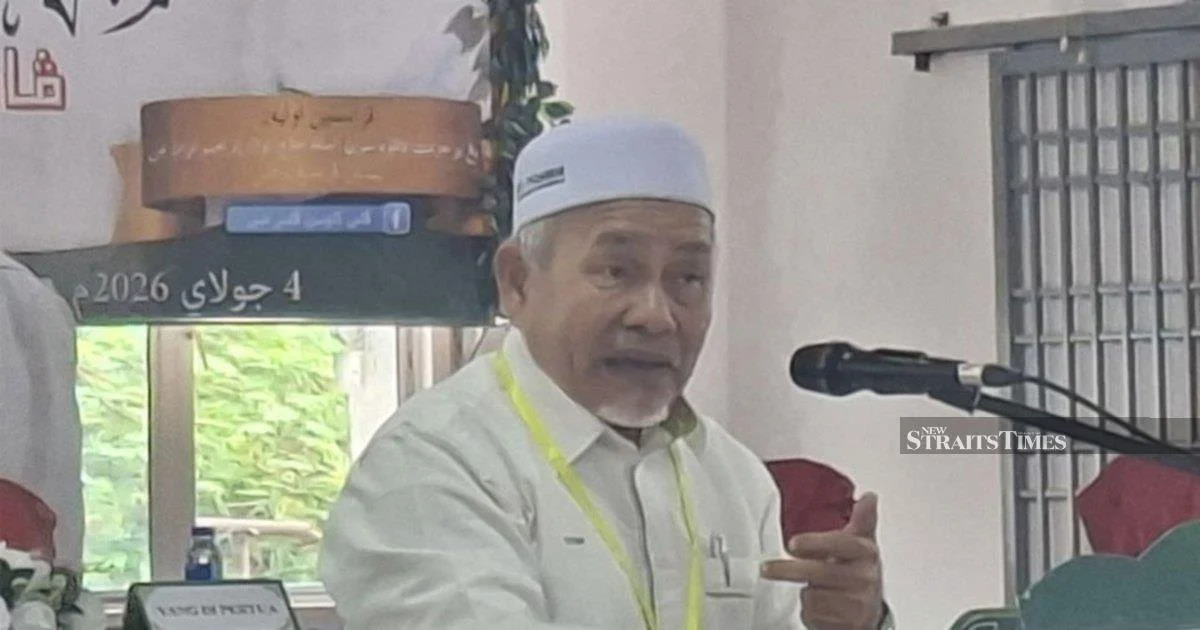
PAS has struck a careful political balancing act, declaring itself receptive to potential cooperation with other parties while simultaneously channelling its primary focus towards cementing Perikatan Nasional's strength in preparation for the forthcoming Negri Sembilan election. The Islamic party's nuanced positioning reflects the fluid nature of Malaysian coalition politics, where parties often maintain flexibility whilst appearing committed to their current alliances. This measured approach suggests PAS is hedging its electoral bets even as it publicly commits to PN, a coalition that has faced internal tensions and electoral challenges in recent years.
The Negri Sembilan state election represents a crucial battleground for PN, a coalition comprising PAS, Bersatu, and other partners. For PAS, success in this particular contest carries broader significance beyond state-level governance. A strong showing would strengthen the party's bargaining position within PN and potentially enhance its leverage in any future discussions with other political formations. The timing of these signals matters considerably, as they arrive at a moment when Malaysian politics continues to experience significant realignments and when smaller component parties seek to maximise their influence within larger coalitions.
The statement reflects PAS's understanding that maintaining optionality in politics can be as important as maintaining loyalty. By remaining publicly open to cooperation while actively strengthening PN, the party positions itself to capitalise on changing circumstances. This approach is not unusual in Malaysian politics, where parties routinely engage in parallel conversations with multiple partners whilst maintaining their primary coalition commitments. For PAS, such flexibility has historically served the party well, allowing it to navigate between different governing coalitions and federal-state political configurations.
Negri Sembilan has long been considered a traditional stronghold for certain political parties, making this election particularly significant for understanding whether PN can effectively challenge or consolidate power in the state. The outcome will likely influence how voters across Malaysia perceive PN's viability as a governing coalition heading towards the next general election. For PAS specifically, strong performance in Negri Sembilan would validate its decision to remain within PN rather than pursue alternative partnerships, addressing criticism from those questioning the party's commitment to the coalition.
The broader context of Malaysian politics suggests that PAS's openness to cooperation likely refers to maintaining channels with Umno and Barisan Nasional, even as it functions within PN. The two coalitions have repeatedly demonstrated willingness to cooperate at state level while remaining rivals federally. This pragmatic compartmentalisation has become standard practice in Malaysian politics, where governing requirements often override ideological alignments. For PAS, which operates substantially in rural and semi-rural areas across multiple states, such flexibility proves essential for maintaining electoral relevance and governing capacity.
Within PN itself, PAS plays a significant role as the coalition's largest party by membership and considerable electoral reach, particularly in rural constituencies where Bersatu struggles to maintain competitive ground. This strength has historically given PAS influence in coalition decisions despite other partners sometimes commanding greater financial or corporate backing. The party's focus on PN consolidation therefore signals its intention to leverage this advantage before the Negri Sembilan polls, ensuring internal coalition cohesion rather than allowing rivals to exploit any visible fractures.
The PAS statement also indicates careful management of expectations among the party's grassroots supporters and regional leaders. By acknowledging openness to cooperation while maintaining PN focus, party leadership attempts to keep potential internal critics placated—those who may harbour concerns about PN's electoral prospects or desire stronger relationships with other Islamic-oriented parties or coalitions. This messaging approach serves multiple audiences simultaneously, a delicate political manoeuvre that experienced parties have refined over decades of Malaysian politics.
For Malaysian voters and observers, PAS's positioning underscores a fundamental reality of the country's current political moment: coalition commitments remain conditional and subject to renegotiation depending on electoral performance and political circumstances. This fluidity reflects both the weakness of current coalition structures and the persistent strength of individual party brands in Malaysian electoral competition. Voters cannot assume that today's coalitions will remain stable, as component parties routinely shift partnerships based on electoral calculations and opportunities.
The Negri Sembilan election therefore carries implications extending well beyond that state's local governance arrangements. A PN victory would strengthen PAS's hand in claiming credit for coalition success and bolster arguments for maintaining the current arrangement. Conversely, a PN setback would likely prompt more aggressive exploration of those alternative cooperation options PAS has indicated it remains open to, potentially triggering the kind of coalition reshuffling that has characterised Malaysian politics since 2018. The election outcome will shape not only Negri Sembilan's political direction but also influence PAS's strategic calculations for federal politics and its positioning within Malaysia's increasingly fractious political landscape.

