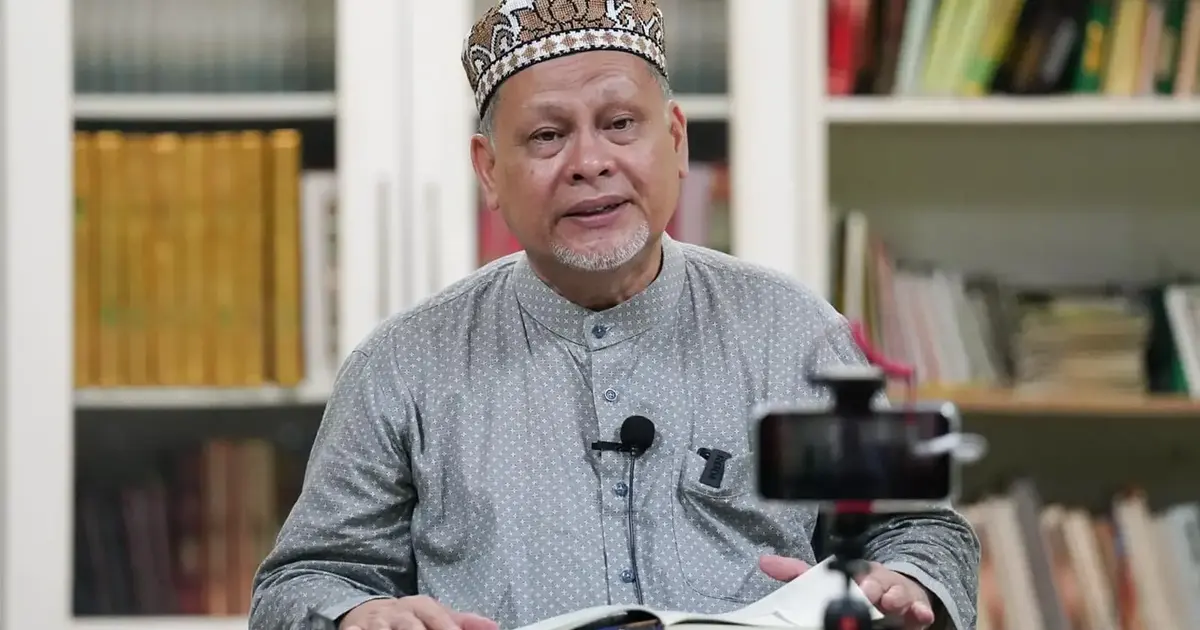
PAS vice-president Amar Abdullah has signalled his party's readiness to face off against fellow Perikatan Nasional component Bersatu in the Negeri Sembilan state elections, should the two parties end up contesting the same constituencies. The statement underscores the delicate balance that persists within the opposition coalition even as it maintains its formal political alliance at the national level.
Amar Abdullah's remarks reflect a pragmatic stance within PAS regarding seat allocation negotiations ahead of the Negeri Sembilan polls. Rather than rule out direct competition, the party leadership appears willing to contest electorally against Bersatu if coalition partners cannot reach consensus on seat distribution. This approach suggests confidence in PAS's ability to compete effectively in the state, even against its own alliance partners.
The potential for intra-coalition contests highlights ongoing tensions within Perikatan Nasional regarding seat negotiations. Despite sharing a common opposition platform and formal alliance structure, the component parties maintain distinct electoral interests and territorial strongholds. For a state like Negeri Sembilan, where both PAS and Bersatu harbour political ambitions, negotiations over seat allocation have proven complex and occasionally contentious.
PAS has demonstrated significant electoral strength across multiple states and federal territories over the past election cycle. The party's willingness to contest against Bersatu suggests confidence rooted in ground-level support and organisational capacity within Negeri Sembilan. The state represents important territory for PAS's broader peninsular strategy, particularly as it seeks to consolidate influence in crucial heartland constituencies.
Bersatu, as the newer component within Perikatan Nasional, occupies a distinct political position. The party commands support in specific demographic and geographic pockets, but its electoral footprint remains more concentrated than PAS's wider network. Seat allocation disputes between the two parties often reflect this asymmetry in political reach and organisational presence.
For Negeri Sembilan voters, intra-coalition competition between PAS and Bersatu could present both opportunities and complications. On one hand, contests between alliance partners might increase voter choice and encourage both parties to sharpen their policy proposals and campaign messaging. Conversely, such races could fragment the opposition vote in particular constituencies, potentially benefiting the ruling coalition if neither PAS nor Bersatu manages a clear victory.
The broader implications for Perikatan Nasional's cohesion merit consideration. While the coalition has functioned as an effective opposition force at the national level, state-level politics sometimes generates different dynamics and competing priorities. Negeri Sembilan joins other states where seat allocation disputes have tested the coalition's unity, from Selangor to Johor to Terengganu. Each negotiation sets precedents that influence future arrangements.
Amar Abdullah's positioning also carries strategic weight for PAS internally. By publicly stating readiness to compete, the party leadership demonstrates assertiveness to its grassroots membership and supporters who expect the party to maximise electoral opportunities. This messaging resonates particularly with PAS activists in Negeri Sembilan, who may feel that their party deserves greater representation than Bersatu in the state.
The Negeri Sembilan context itself matters significantly. The state has evolved politically over recent election cycles, with shifting voter patterns and demographic changes affecting the balance between incumbent and opposition forces. Both PAS and Bersatu will calculate their respective strengths carefully when determining which constituencies they can realistically win, informing seat allocation discussions.
Historically, seat negotiations within opposition coalitions have occasionally broken down entirely, forcing alliances to contest multiple candidates in single constituencies. While PAS and Bersatu have generally avoided such worst-case scenarios, the possibility remains if negotiators cannot find common ground. Amar Abdullah's statement suggests PAS would accept such an outcome rather than concede territory it deems winnable.
Regional observers note that Perikatan Nasional faces distinct challenges in maintaining coalition discipline compared to established political formations. The relative newness of the alliance, combined with component parties' different origins and constituencies, creates persistent friction points. Negeri Sembilan represents a genuine test case for how effectively these tensions can be managed.
Looking ahead, seat allocation outcomes in Negeri Sembilan will likely influence negotiations for other state elections, as well as federal parliamentary races. If PAS emerges from negotiations with an advantageous seat distribution, the precedent strengthens the party's negotiating position elsewhere. Conversely, if Bersatu secures significant territory, that outcome shapes future discussions across the coalition.
Ultimately, Amar Abdullah's remarks reflect political realism within Perikatan Nasional—acknowledgement that while coalition members remain allies, electoral competition sometimes supersedes alliance considerations when mutual interests diverge. Whether this tension ultimately strengthens or weakens the opposition coalition will become clearer as specific seat allocation negotiations for Negeri Sembilan unfold.

