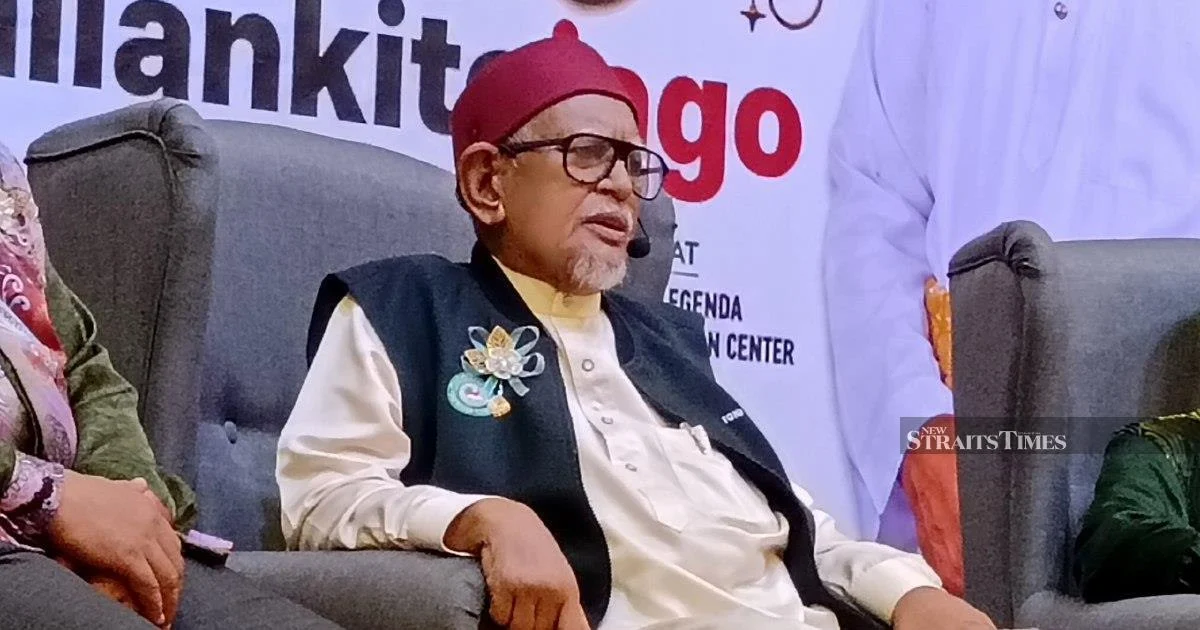
The political landscape in Negri Sembilan is shaping up as Pas indicates flexibility on leadership arrangements with Umno, potentially opening the door to a unified opposition slate for the state election scheduled for August 1. In remarks made in Seremban, party officials acknowledged that seat-sharing discussions between the two Islamic-oriented parties remain fluid, suggesting negotiations have not yet crystallised into a binding agreement.
Pas's willingness to step back from the menteri besar position signals a pragmatic calculation about electoral viability in the state. Rather than contest for the top administrative post, the party appears focused on securing a competitive portfolio of seats that would strengthen its parliamentary and state assembly representation. This positioning reflects broader political trends across Malaysia, where coalition flexibility increasingly determines whether opposition blocs can present unified alternatives to incumbent governments.
The August 1 deadline looms large in these negotiations. As polling day approaches, both Pas and Umno face mounting pressure to finalise their arrangement, sign off on candidate lists, and campaign as a cohesive unit. Failure to reach agreement could fragment the opposition vote, potentially allowing the incumbent Barisan Nasional administration to retain control despite regional dissatisfaction. The timing adds urgency to what might otherwise be protracted haggling over constituencies and senior positions.
For Umno, the opportunity to claim the menteri besar role would represent a significant political prize in Negri Sembilan. The party has been working to rebuild its electoral machinery and public standing following internal turbulence and organisational challenges in recent years. A state government leadership position would demonstrate Umno's continued capacity to compete at the highest levels of state administration and provide a platform for senior figures to execute policy initiatives and consolidate grassroots support.
Pas's strategic calculation reflects its assessment of where its candidates can realistically win. Rather than spreading resources thin across all 36 state assembly seats, the party is likely identifying constituencies where it enjoys established voter bases, strong local party structures, or demographic advantages. This targeted approach is increasingly common among opposition parties nationwide, where efficiency in candidate deployment often outweighs aspirations for comprehensive seat coverage.
The broader context of Malaysian politics shows that coalition arrangements between Pas and Umno are not unprecedented, though they remain subject to periodic tensions. Both parties appeal to segments of the Malay-Muslim electorate, creating natural overlaps but also potential competition. Clear seat-sharing agreements help manage this tension and allow both parties to present themselves as serious alternatives to current administrators without cannibalising each other's support through three-way contests.
Negri Sembilan has traditionally been competitive territory, with no single coalition commanding overwhelming dominance. The current political composition reflects the state's relatively balanced electorate, where shifts in either direction can materially alter government control. An effective Pas-Umno coalition could genuinely threaten incumbent holding power, providing voters with a meaningful choice between competing visions for state administration and resource allocation.
The negotiation process itself highlights the intricate choreography required to maintain opposition unity in Malaysia's multi-party environment. Both sides must balance internal party politics—answering to grassroots members who may prefer their own candidates in contested seats—against the mathematical reality that cooperation typically outperforms fragmentation in winner-take-all electoral contests. Party leaders must convince their supporters that accepting fewer constituencies yields better overall results than fighting within the coalition.
Comments from Pas leadership also suggest that discussions remain genuinely unsettled rather than simply awaiting formal announcement. If deals were essentially concluded, parties typically signal this through more confident public statements. The ongoing negotiation language indicates that sticking points remain, whether over distribution of winnable seats, campaign financing, or other operational matters requiring resolution before official seat allocations can be announced.
For Malaysian voters in Negri Sembilan, the outcome of these negotiations carries real implications. A unified opposition coalition likely to function as a coherent bloc offers different governance prospects than a fractured opposition allowing the incumbent to govern with limited competitive pressure. Many voters assess coalitions partly on stability and internal discipline, reasoning that parties demonstrating ability to cooperate before elections may govern more effectively afterward.
The August 1 election represents an important test of opposition unity in a peripheral state context. National political dynamics often play out differently in state contests, where local personalities, community issues, and regional concerns carry disproportionate weight. Negri Sembilan's relatively smaller voter population compared to major states means that intensified local campaigning and direct community engagement can shift outcomes more readily than in larger jurisdictions where national messaging dominates.
As negotiations continue, both Pas and Umno know that their respective party bases are watching closely. Successfully concluding a deal that members view as fair and strategically sound will be essential for generating volunteer enthusiasm and campaign energy in the weeks before polling day. Conversely, failures in negotiation could breed internal discontent and voter apathy, directly affecting the coalition's competitive capacity on election day itself.

