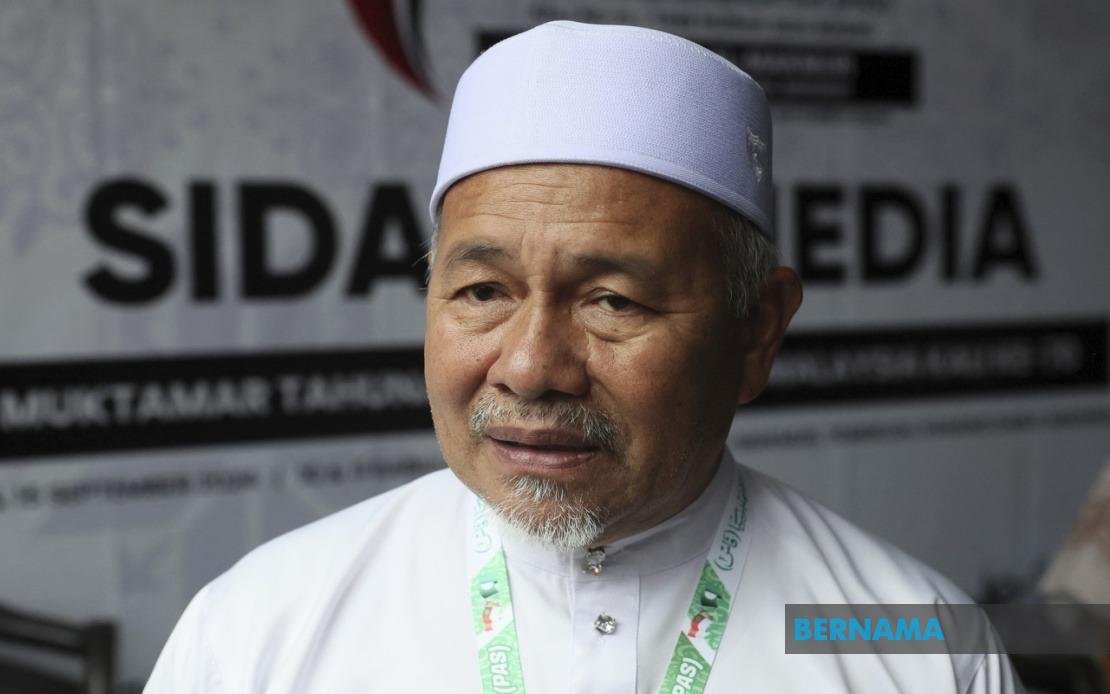
The political pressure on Malaysia's government to pursue fugitive businessman Low Taek Jho intensified on Thursday as PAS, a key coalition partner, demanded that authorities bring him before Malaysian courts to answer charges connected to the sprawling 1Malaysia Development Berhad scandal. Speaking in Kota Bharu after presiding over the Pasir Mas PAS division annual general meeting, deputy president Datuk Seri Tuan Ibrahim Tuan Man made clear that his party views the case as fundamentally a Malaysian matter requiring Malaysian justice, irrespective of any legal proceedings or clemency decisions emanating from the United States.
The timing of PAS's statement carries particular significance given recent international speculation about Jho Low's possible fate. Reports emerging from Washington suggested that the fugitive financier featured among approximately 250 individuals being considered for presidential pardon by Donald Trump, with the announcement potentially timed to coincide with American Independence Day celebrations. This prospect has clearly prompted concern within Malaysian political circles that the case could slip away from domestic authorities if international actors move first.
Tuan Ibrahim articulated a nationalist position on the matter, emphasising that Malaysia possesses a functioning legal framework fully capable of handling the prosecution independently. His remarks effectively challenged any notion that Malaysia should defer to American legal determinations or remain passive while other jurisdictions take the lead. He stressed that Malaysia, having suffered the most severe consequences from Jho Low's actions, carries both the right and responsibility to pursue justice through its own courts. The economic damage inflicted by the 1MDB affair remains among the most significant financial scandals in the nation's modern history, making domestic accountability particularly symbolically important.
The PAS leader's call for accelerated legal proceedings reflected growing impatience within the ruling coalition regarding the pace of efforts to apprehend and extradite Jho Low. He specifically urged authorities to expedite the extradition process, suggesting that bureaucratic delays have allowed the fugitive to evade justice for too long. Since fleeing Malaysia in 2015 as investigations intensified, Jho Low has maintained a shadowy existence, with his whereabouts remaining uncertain to the public throughout subsequent years. Multiple countries have initiated legal actions against him, but his continued evasion underscores the complexity of pursuing international fugitives across borders with varying legal frameworks and cooperation mechanisms.
The government's commitment to the case received reaffirmation from Prime Minister Datuk Seri Anwar Ibrahim, who had stated just the previous day that Malaysia intends to maintain its legal pursuit of Jho Low regardless of any American pardon considerations. This bipartisan governmental stance, with both the Prime Minister and an opposition-aligned religious party agreeing on the necessity of Malaysian prosecution, represents a rare consensus on a high-profile criminal matter. Such unanimity suggests that allowing Jho Low to escape justice through foreign clemency would face substantial domestic political backlash across ideological lines.
The 1MDB scandal itself remains central to understanding why Malaysian political actors across the spectrum view this case with such gravity. The development fund, originally established with stated aims of generating wealth for the nation, instead became a vehicle for massive asset diversion through an elaborate network of shell companies, fraudulent transactions, and international money laundering schemes. Estimates suggest that billions in public funds were siphoned away, with investigations revealing connections to properties, artworks, and entertainment ventures worldwide. Jho Low's central orchestrating role in these schemes made him the public face of the scandal, particularly after his close association with former Prime Minister Najib Razak came under intense scrutiny.
From a regional perspective, the Malaysian government's determination to prosecute Jho Low reflects broader efforts to demonstrate institutional integrity following the electoral transition that brought Anwar's administration to power. The previous government's perceived laxity in pursuing high-level corruption cases had damaged Malaysia's international reputation and investor confidence. By aggressively pursuing extradition of the 1MDB principal figures, the current administration seeks to signal renewed commitment to the rule of law and accountability for financial crime, messaging particularly important for Southeast Asian nations competing for foreign direct investment and financial sector credibility.
The extradition process itself presents formidable practical challenges that explain both Tuan Ibrahim's call for acceleration and the continued difficulty authorities have faced. Jho Low's international mobility and resources have allowed him to navigate a complex legal landscape, potentially shifting locations to avoid jurisdictions most likely to honour extradition requests. Malaysia's formal extradition agreements with various countries determine which nations can compel his return, and legal procedures in each jurisdiction introduce delays and opportunities for contested proceedings. Countries harbouring sophisticated financial hubs or those with less stringent enforcement traditions might prove unwilling to surrender him absent substantial diplomatic pressure.
The invocation of possible US presidential pardon power highlights a critical vulnerability in international justice systems. While many nations maintain robust legal frameworks for prosecuting financial crimes, the clemency authority vested in executive leaders can override these mechanisms, particularly in cases with political dimensions or involving wealthy defendants capable of lobbying for consideration. For Malaysia, the prospect that American executive discretion might short-circuit years of investigation and evidence gathering represents a tangible threat to closure on one of the nation's most consequential modern scandals. This concern partly explains why Malaysian officials have moved to publicly assert their jurisdiction and sovereignty over proceedings.
The statement from Tuan Ibrahim also subtly underscores the complex relationship between Malaysia and the United States regarding this case. While both nations have formal mechanisms for mutual legal assistance, Malaysia cannot compel American cooperation or dictate outcomes in American legal proceedings. The Malaysian position effectively argues that even if America takes independent action, Malaysia retains parallel rights and obligations to pursue its own prosecutions. This assertion of dual jurisdiction, while legally sound, practically depends upon securing Jho Low's physical presence in Malaysia, which remains the central unresolved challenge.
Looking forward, the convergence of domestic political pressure and international legal complexity will likely determine whether Malaysia successfully brings Jho Low to trial. The PAS intervention demonstrates that maintaining pressure across coalition partners and opposition groups can help prevent the case from fading from public attention or official priority. Simultaneously, authorities must navigate complex international cooperation mechanisms while managing the possibility that other jurisdictions might reach settlements or conclusions before Malaysia completes its prosecutions. The case ultimately reflects broader questions about accountability for transnational financial crime in an era where fugitives can exploit jurisdictional gaps and political dynamics to evade consequences.

