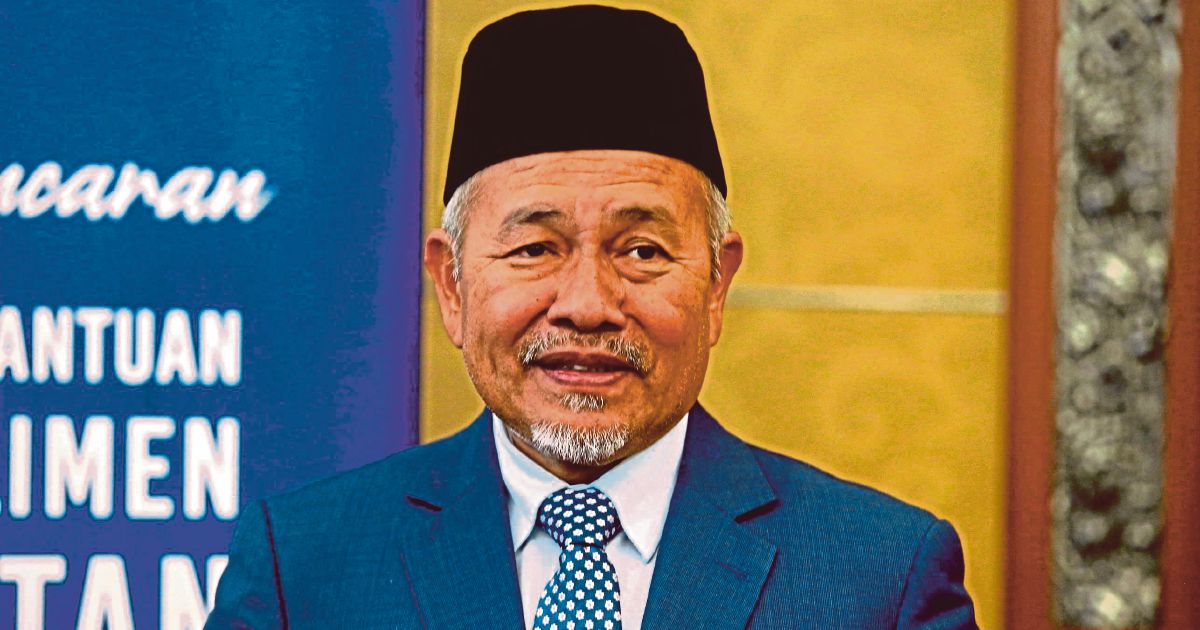
In a significant show of political manoeuvring within Malaysia's complex coalition landscape, the deputy president of PAS has publicly commended Umno's decision to terminate its backing of the Negri Sembilan state administration. Speaking in Seremban, Datuk Seri Tuan Ibrahim Tuan Man framed the withdrawal as a courageous undertaking that fundamentally reshapes the political dynamics ahead of the state election, creating space for voters to exercise genuine choice.
The statement carries particular weight given the traditionally complex relationship between PAS and Umno, two major Malay-Muslim political parties that have alternated between cooperation and competition throughout Malaysia's post-independence history. Tuan Ibrahim's public endorsement suggests that PAS leadership views Umno's move as serving broader democratic interests rather than purely factional advantage, though the political calculus clearly extends to how both parties position themselves for the electoral contest.
Umno's decision to revoke its support from the current Negri Sembilan state government represents a critical juncture in the state's political evolution. The withdrawal effectively destabilises the existing configuration of power, potentially rendering the incumbent administration vulnerable to loss of majority support in the state assembly. This development underscores the volatility of state-level politics in Malaysia, where support coalitions remain fluid and subject to rapid recalibration based on strategic considerations and political disagreements.
For Negri Sembilan specifically, Umno's move injects unprecedented uncertainty into the political landscape. The state has historically oscillated between different ruling coalitions, reflecting broader national political trends. However, each transition carries distinct implications for state governance, resource allocation, and the specific policy priorities that incoming administrations might champion. The withdrawal of support effectively triggers a reset button on the state's political architecture.
The timing of this development intersects with broader shifts occurring across Malaysia's political ecosystem. The fragmentation of electoral coalitions that characterised the post-2018 period continues to reshape how parties engage with one another at both federal and state levels. Tuan Ibrahim's framing of Umno's decision as enabling democratic choice reflects a narrative increasingly common among political actors seeking to legitimise tactical manoeuvres through appeals to democratic principles and voter empowerment.
For Malaysian voters, particularly those in Negri Sembilan, this development carries significant implications. The withdrawal creates genuine political competition where previously established arrangements had created a more predictable electoral landscape. Voters who may have felt marginalised by the existing coalition's assumed continuity now confront genuine choice between competing political alternatives, fundamentally altering campaign dynamics and forcing parties to articulate clearer policy platforms.
The statement also reveals evolving PAS strategy within Malaysia's competitive political environment. By publicly endorsing Umno's withdrawal, PAS positions itself as principled and pro-democracy, potentially strengthening its appeal to voters who value genuine electoral competition. Simultaneously, the endorsement may signal openness to cooperative arrangements with Umno in the approaching electoral contest, though such coordination would require careful negotiation given their distinct constituencies and policy approaches.
Regionally, Malaysia's state-level political dynamics merit attention from observers across Southeast Asia interested in how electoral competition functions within federal systems. The fluid nature of coalition-building at the state level demonstrates how democratic processes can remain dynamic even within established party systems, as parties continually recalibrate their strategic positions based on evolving circumstances and calculated assessments of electoral advantage.
Umno's decision likely reflects internal assessments regarding the political viability of continuing support for the existing state administration. Such withdrawals typically occur when a party determines that continued association with a governing coalition has become electoral liability rather than asset. The calculation may involve concerns about governance performance, public perception, or evolving demographic and electoral dynamics within the state.
The implications extend beyond immediate electoral calculations. Negri Sembilan's forthcoming state election will serve as a significant testing ground for how different political coalitions perform under contemporary Malaysian conditions. The result will provide important data regarding voter preferences, the relative strength of competing political narratives, and the effectiveness of different coalition arrangements in mobilising electoral support.
Tuan Ibrahim's public embrace of Umno's decision also carries subtle signals about inter-party dynamics. Rather than viewing this as a competitive threat or attacking Umno's move as destabilising, PAS leadership frames it positively, suggesting a degree of coordination or at least mutual respect regarding electoral competition. This contrasts with scenarios where parties might view such moves as hostile actions warranting aggressive response.
Looking ahead, the Negri Sembilan state election will crystallise how these political developments translate into actual electoral outcomes. Voters will ultimately determine whether the withdrawal of Umno's support precipitates significant change in the state administration or whether alternative configurations emerge from the competitive process. The election will reveal whether the theoretical openness that Tuan Ibrahim praised actually translates into meaningful electoral dynamism.

