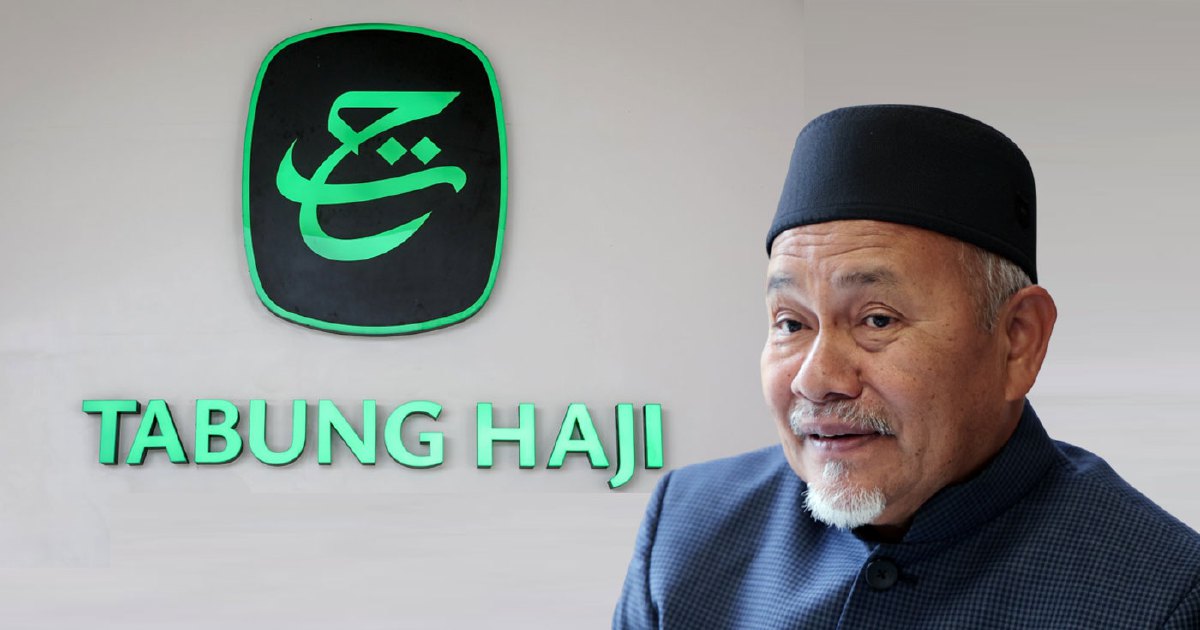
The Islamic party PAS has expressed strong support for the government's decision to convene a special parliamentary sitting dedicated to examining the Royal Commission of Inquiry report into Tabung Haji, Malaysia's Islamic pilgrimage fund manager. Datuk Seri Tuan Ibrahim Tuan Man, the party's deputy president, publicly endorsed the move while simultaneously calling on lawmakers and government officials to ensure that discussions during the session translate into concrete policy changes and implementation measures.
Tabung Haji has faced mounting scrutiny over recent years following concerns about financial irregularities, corporate governance lapses, and allegations involving former executives. The Royal Commission of Inquiry was established to investigate these matters comprehensively and provide recommendations for reform. The anticipated parliamentary sitting represents a significant opportunity for elected representatives to engage with the findings and chart a path toward institutional renewal at an organisation that manages the savings and pilgrimage funds of millions of Malaysian Muslims.
The special parliamentary session carries particular weight given the sensitivity surrounding Tabung Haji's operations and the public trust invested in the institution. For many Malaysians, particularly those from lower-income backgrounds, Tabung Haji represents a crucial savings vehicle and the primary mechanism for funding the Hajj pilgrimage—one of Islam's five pillars. Any mismanagement or irregularities directly undermine the livelihoods and religious aspirations of ordinary citizens, making parliamentary oversight both necessary and symbolic of government accountability.
Tuan Ibrahim's emphasis on follow-up action reflects growing frustration across the political spectrum regarding the gap between inquiry recommendations and their practical implementation. Previous royal commissions and investigative reports in Malaysia have occasionally resulted in limited action, with recommendations languishing without sustained political will. By explicitly urging concrete measures, PAS is signalling to the government that the party expects more than rhetorical commitment to reform.
The timing of the special sitting is strategically important, arriving at a moment when public confidence in major financial institutions requires bolstering. Malaysia's capital markets and institutional frameworks depend significantly on investor and public confidence. When major organisations like Tabung Haji face credibility challenges, the ripple effects extend beyond the immediate institution to broader perceptions of governance quality across the economy. A transparent parliamentary debate and decisive follow-up could help restore institutional legitimacy.
PAS's backing of the initiative also carries political implications. The party's support suggests a degree of cross-party consensus on the need for parliamentary engagement with the RCI findings, potentially smoothing the path for the special sitting to proceed without procedural obstruction. In Malaysia's sometimes fractious political environment, such bipartisan agreement on institutional reform matters provides a foundation for meaningful legislative action.
The Royal Commission of Inquiry itself represents a recognition by authorities that Tabung Haji's challenges require independent, formal investigation rather than routine regulatory oversight. RCI recommendations typically carry significant moral and political weight, and lawmakers are generally reluctant to dismiss or ignore them without compelling justification. The parliamentary sitting will provide a public forum where representatives can engage with the commission's findings, debate their implications, and commit to specific reform pathways.
For Malaysian pilgrims and Tabung Haji account holders, the parliamentary debate offers reassurance that their concerns are receiving high-level political attention. The special sitting demonstrates that irregular deposits, questionable investments, and governance failures at the institution have triggered a formal response mechanism. This symbolic significance matters alongside any substantive policy changes that may emerge from the session.
The emphasis on follow-up action also addresses a practical reality: parliamentary sittings, however productive, represent only the beginning of institutional reform. The real test comes in the months and years following debate, when proposed changes must navigate government bureaucracies, regulatory frameworks, and competing budget priorities. Tuan Ibrahim's insistence on follow-through reflects an understanding that Tabung Haji's restoration requires sustained political momentum and resource commitment beyond the parliamentary chamber.
Looking ahead, the special sitting will likely feature detailed examination of the commission's specific findings, parliamentary proposals for reform, and government statements regarding implementation timelines and responsible agencies. Cross-party contributions may illuminate different perspectives on reform priorities, with some focusing on financial recovery, others on governance restructuring, and still others on protecting individual account holders' interests.
The convergence of PAS support with the government's parliamentary initiative signals that Tabung Haji reform has transcended narrow partisan divides. This broader political consensus, while fragile, provides a window for implementing significant institutional changes. However, translating parliamentary agreement into effective reform remains challenging, requiring coordination across multiple government agencies, alignment of financial and regulatory frameworks, and sustained public scrutiny to ensure accountability.
As Malaysia continues grappling with institutional integrity concerns across multiple sectors, the Tabung Haji RCI debate may set important precedents for how parliament engages with major inquiries and transforms their recommendations into binding governance reforms. PAS's calls for follow-up action underscore that public expectations have shifted toward demanding not just investigation and debate, but demonstrable institutional improvement and restored public trust.

