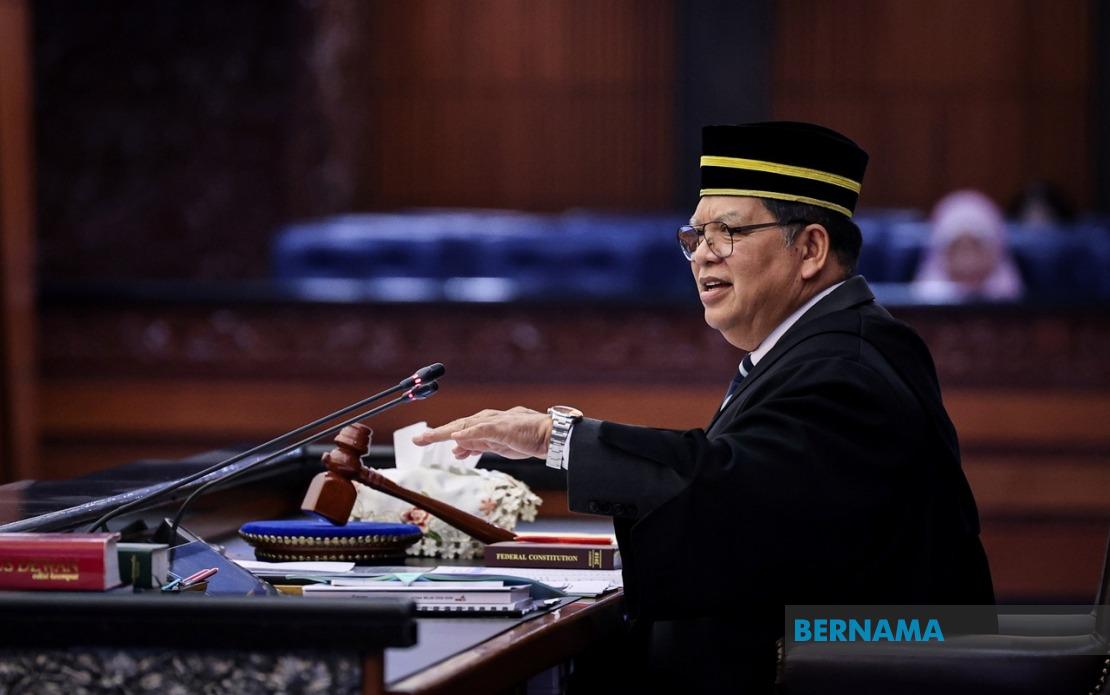
Malaysia's Dewan Rakyat has adjourned after a productive 16-day sitting that stretched from June 22, during which legislators approved an extensive slate of legislative measures covering critical areas from transport safety to digital security. The Second Meeting of the Fifth Term of the 15th Parliament formally concluded on July 16, with Speaker Tan Sri Dr Johari Abdul presiding over the final proceedings and reflecting on the parliamentary session's accomplishments.
The legislative output represents a broad policy agenda addressing contemporary governance challenges facing the nation. The 13 bills passed address pressing concerns that resonate across Malaysian society, ranging from road safety to online criminal activity to the protection of vulnerable populations. This breadth of legislative work indicates Parliament's engagement with issues spanning traditional domains like transportation infrastructure and newer areas requiring regulatory frameworks, such as digital crimes and multimedia communications standards.
Key among the approved measures was the Cybercrimes Bill 2026, which signals Parliament's recognition of escalating digital threats facing Malaysian citizens and businesses. This legislation arrives amid growing concerns over online fraud, identity theft, and cyber-enabled exploitation that have affected individuals nationwide. Equally significant was the Sexual Offences Against Children (Amendment) Bill 2026, reflecting government priority in strengthening protections for Malaysia's young people and enhancing penalties for perpetrators of crimes against minors. These bills collectively demonstrate legislative responsiveness to evolving social challenges and emerging crime categories.
The transport and regulatory framework updates formed another substantial component of the approved legislation. The Road Transport (Amendment) Bill 2026 addresses continuing safety concerns within Malaysia's transport sector, a priority area given the nation's ongoing efforts to reduce accident rates and improve vehicle standards. Meanwhile, the Competition (Amendment) Bill 2026 and Competition Commission (Amendment) Bill 2026 signal regulatory refinements aimed at maintaining fair market conditions and consumer protection within Malaysia's increasingly complex economic environment.
Additional bills approved during the sitting included measures governing agricultural commodities, witness protection mechanisms, professional standards, and national statistical systems. The Control of Padi and Rice (Amendment) Bill 2026 reflects ongoing government attention to agricultural stability and rural stakeholder interests, while the Witness Protection (Amendment) Bill 2026 enhances mechanisms for safeguarding individuals providing testimony in legal proceedings. The Social Work Profession Bill 2026 establishes professional standards for social workers, recognizing the need for formal credentialling within this essential service sector.
The communications and multimedia regulatory framework received attention through passage of both the Communications and Multimedia (Amendment) Bill 2026 and the Malaysian Communications and Multimedia Commission (Amendment) Bill 2026, updating governance structures within sectors critical to Malaysia's digital economy aspirations. The National Trust Fund Bill 2026 and Statistics Bill 2026 rounded out the legislative agenda, addressing financial governance and data management respectively.
Beyond formal bill passage, the parliamentary session encompassed substantive parliamentary activity including three ministerial briefings, one special chamber ministerial briefing, and six presentations by Select Committee chairmen on various reports. This procedural activity underscores Parliament's function as a venue for executive accountability and detailed policy discussion across government departments.
Speaker Johari drew particular attention to parliamentary responsibilities extending beyond legislative voting, specifically directing members toward health screening completion before October 30. His emphasis on health maintenance takes on heightened significance given the looming election campaign period, during which MPs will undertake intensive campaigning activities that demand physical stamina. By framing health as a collective parliamentary concern, the Speaker positioned wellness not merely as personal responsibility but as institutional priority for sustained legislative engagement.
The adjournment of Parliament arrives at a politically sensitive juncture, with election campaigns anticipated shortly. The timing creates practical considerations for MPs balancing legislative duties with electoral activities, and the Speaker's health reminder acknowledges the physical demands of dual responsibilities. Malaysian voters and stakeholders will observe how comprehensively the approved legislation translates into practical implementation within government agencies and society at large.
Specifically for Malaysian readers, the approved bills carry tangible implications across multiple life domains. Enhanced cybercrime legislation directly affects personal data security and online transaction safety for millions engaging in digital commerce and communication. Strengthened child protection measures influence community safety and institutional accountability within schools and public spaces. Transport amendments affect daily commuter safety, while agricultural bills influence food prices and farmer viability in rural areas.
The Speaker also announced that Parliament is hosting an unspecified programme open to MPs, parliamentary staff, Malaysian Youth Parliament participants, and the general public, though the announcement appeared incomplete in the official record. Such initiatives traditionally serve to enhance public understanding of parliamentary processes and democratic engagement.
Speaker Johari concluded proceedings by extending appreciation to all MPs for their cooperation throughout the sitting, acknowledging contributions from government officials, parliamentary staff, media representatives, and other stakeholders involved in managing parliamentary operations. His remarks reflected the collaborative framework necessary for effective legislative function within Malaysia's Westminster-influenced parliamentary system. The Dewan Rakyat standing is now adjourned to a date to be determined by leadership, leaving the nation's legislative calendar fluid pending electoral developments and government priorities.

