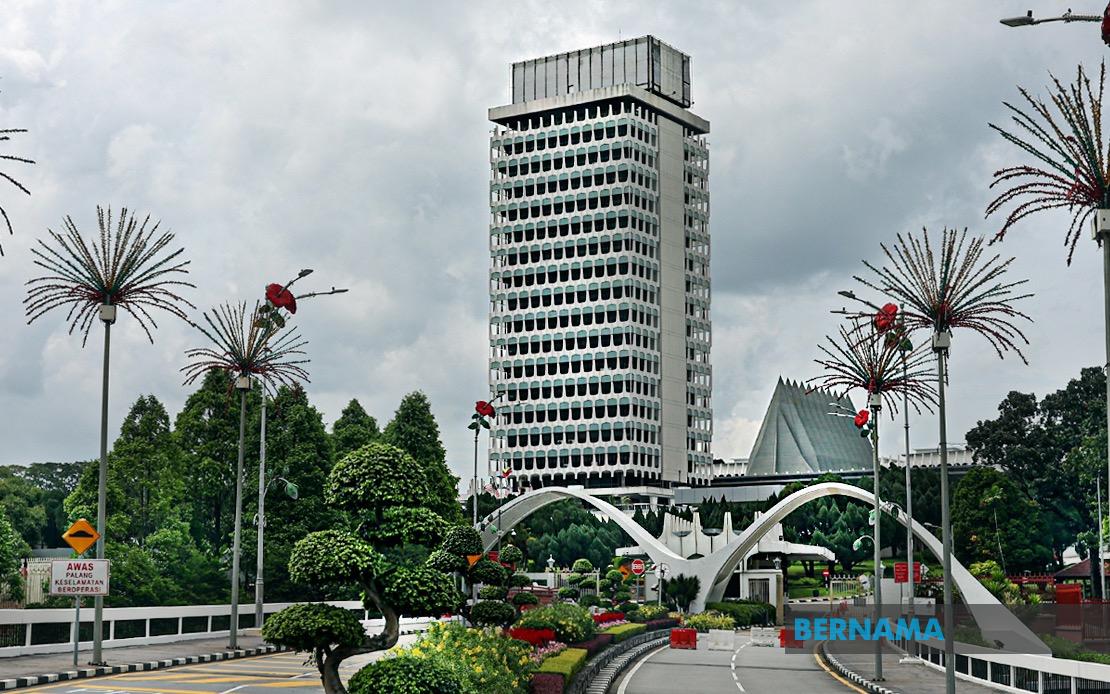
Parliament's attention this week has turned to three significant governance and economic matters as the Dewan Rakyat convenes for a 16-day sitting scheduled through July 16. The deliberations signal growing parliamentary concern over institutional independence, economic measurement methodology, and workforce development in high-skill sectors—each reflecting distinct challenges facing Malaysia's policymaking establishment.
The proposed amendments to the Human Rights Commission of Malaysia Act 1999 represent a carefully considered effort to reshape institutional financing. Currently, SUHAKAM operates under full dependence on government budget allocations, a structural arrangement that, while ensuring baseline funding certainty, constrains the commission's operational flexibility and self-determination. Parliamentarian Teresa Kok Suh Sim from Petaling Jaya's Seputeh constituency has tabled a question to the Prime Minister exploring whether revising the Act would permit SUHAKAM to establish revenue streams through delivery of training programmes and educational courses. This approach mirrors global practices among human rights bodies, where diverse funding sources—including institutional training initiatives—enhance financial autonomy. For Malaysia, such reform could strengthen SUHAKAM's independence without eroding government support, positioning the commission as a more operationally resilient watchdog for rights protection across the nation.
Parallel to institutional concerns runs a more pressing economic question that touches ordinary Malaysians directly. Mohd Syahir Che Sulaiman, representing the Bachok constituency under Perikatan Nasional, has directed inquiry toward the Economy Minister regarding a persistent measurement paradox: the significant divergence between official inflation statistics and what households experience at the supermarket, petrol pump, and rental counter. Government data frequently records moderate inflation, yet consumer surveys reveal acute distress over rising living expenses. This gap raises important methodological questions about which goods and services statisticians weight most heavily in their calculations and whether the official basket of goods truly reflects spending patterns among middle and lower-income families. Sulaiman's questions additionally probe whether current economic growth metrics successfully translate into demonstrable improvements in household purchasing power—a connection that, in recent years, has proven elusive for many Malaysian families despite robust GDP performance.
Urban planning and infrastructure resilience occupy another parliamentary concern. Ganabatirau, representing the Klang parliamentary zone, has sought clarity from the Prime Minister regarding ongoing assessments of land transfers and use conversions affecting flood retention ponds, particularly within metropolitan Kuala Lumpur. This question reflects accumulating pressure on urban water management infrastructure, as rapid development and changing landuse patterns have complicated drainage systems across the capital. The parliamentary attention suggests that government review processes into these environmental and safety matters warrant closer legislative scrutiny.
Educational investment philosophy and workforce alignment constitute the fourth major theme under examination. Datuk Dr Ku Abd Rahman Ku Ismail from Kubang Pasu has requested the Higher Education Minister disclose the current ratio between students enrolled in Science, Technology, Engineering and Mathematics disciplines against non-STEM fields across Malaysia's tertiary institutions. Beyond this baseline data, his question also probes whether government has established specific numerical targets for training engineers across various specialisations necessary to support the nation's transition toward high-technology manufacturing and services. This line of questioning reflects international competitive pressures facing Malaysia, particularly as regional economies compete aggressively for talent and investment in emerging sectors such as semiconductor manufacturing, artificial intelligence, and advanced materials. The parliamentary inquiry suggests lawmakers perceive potential misalignment between educational output and labour market demands in these critical fields.
Alongside these policy-focused inquiries, Parliament's agenda includes legislative business of significant technical scope. Government ministers will undertake second reading of the Cybercrime Bill 2026, representing a substantive update to Malaysia's digital crime framework. This legislation will likely address evolving threats including ransomware, data theft, online fraud, and emerging categories of cyber-enabled harm that contemporary criminal codes have struggled to accommodate effectively. The second reading stage provides opportunity for extensive debate on the Bill's scope, penalties, and investigative authorities, making this session consequential for digital policy development across the region.
The parliamentary calendar reflects Malaysia's multifaceted governance agenda during a period of economic adjustment and institutional reflection. Questions posed by lawmakers across coalition and opposition benches demonstrate shared recognition that institutional reform, economic measurement integrity, infrastructure resilience, and human capital development remain central to national progress. The breadth of subjects scheduled throughout this 16-day session underscores the complexity of contemporary policymaking, where economic sentiment, demographic realities, technological change, and democratic accountability intersect continuously.

