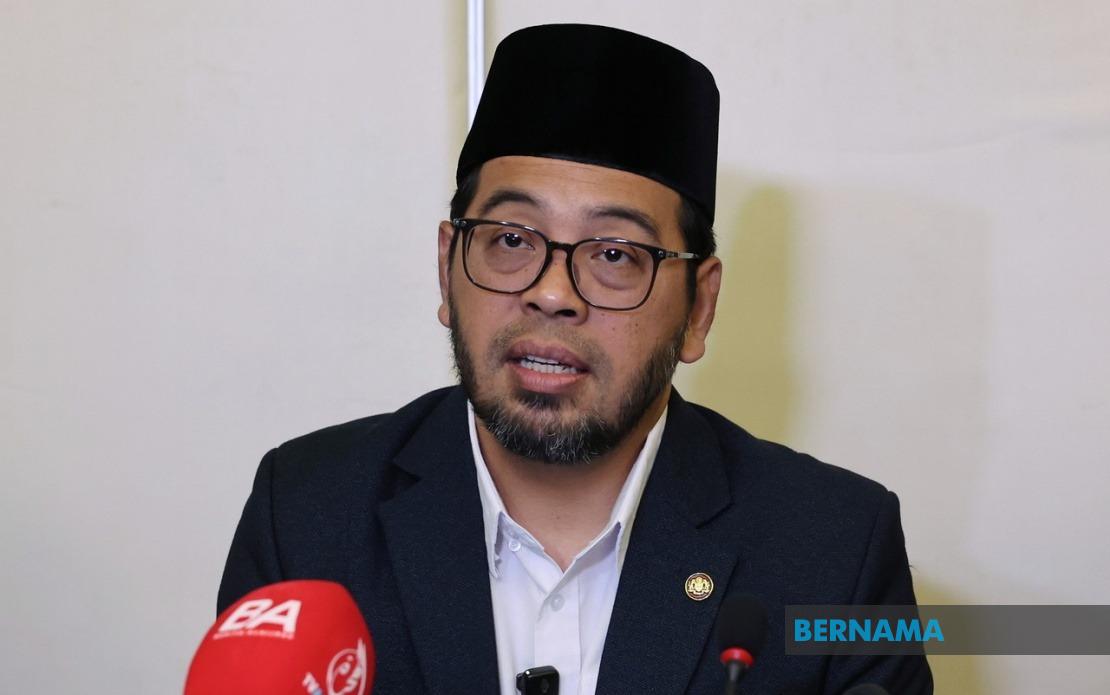
The Malaysian Parliament will convene in a special sitting tomorrow morning to examine the findings of a Royal Commission of Inquiry into Lembaga Tabung Haji, the Islamic pilgrimage financial institution, with Minister in the Prime Minister's Department (Religious Affairs) Dr Zulkifli Hasan set to deliver a comprehensive briefing on the 211-page report that examines the body's management and operational conduct spanning 2014 to 2020.
The session, commencing at 10 am, represents a pivotal moment for legislative oversight of one of Malaysia's most significant religious and financial institutions. The decision to hold this special sitting underscores the seriousness with which Parliament intends to address the commission's findings and recommendations. The timing comes after the government opted to make the report public on July 29, departing from earlier considerations about restricting its distribution.
Dr Zulkifli will not perform this briefing in isolation. Finance Minister II Datuk Seri Amir Hamzah Azizan will participate alongside him, with both ministers expected to conclude the parliamentary debate once backbenchers have finished their contributions. This dual ministerial presence reflects the multifaceted nature of the inquiry's scope, which encompasses both religious governance and financial management dimensions of Tabung Haji's operations.
The ministerial briefing carries additional weight given the Cabinet's explicit position on accountability. In a statement released through video media, Dr Zulkifli confirmed that the Cabinet has already signalled its intention to pursue sanctions against individuals implicated in any wrongdoing identified by the commission. This commitment to follow-through enforcement suggests that tomorrow's parliamentary debate will not be merely procedural but may trigger tangible consequences for those found culpable.
Parliamentary interest in the matter has already materialised substantially among legislators. Communications Minister Datuk Seri Fahmi Fadzil disclosed that no fewer than 40 Members of Parliament have signalled their desire to participate in the debate. This considerable level of backbench engagement indicates that concerns about Tabung Haji's governance extend across the political spectrum and reflect genuine legislative concern about the institution's stewardship during the seven-year period under examination.
The decision to publicise the RCI report represents a shift toward transparency in matters affecting Muslim pilgrims and the broader financial interests of millions of Malaysians. Tabung Haji serves as a vehicle through which Malaysian Muslims set aside funds for the hajj pilgrimage, making its sound management a matter of both religious significance and personal financial consequence for contributors. The scrutiny of its operations from 2014 to 2020 encompasses a period that witnessed substantial economic and political shifts in Malaysia, potentially influencing institutional performance and decision-making.
For Malaysian readers and stakeholders, the implications extend beyond parliamentary procedure. The institution manages considerable sums of pilgrimage funds, and any mismanagement or operational failings during the reviewed period could have affected thousands of contributors and their savings. Tomorrow's parliamentary examination will provide public insight into whether systemic issues affected the institution's fiduciary responsibilities and, crucially, what corrective measures are being contemplated.
The 211-page report itself represents an exhaustive investigative effort by the Royal Commission, suggesting that the inquiry delved deeply into various operational, financial, and governance dimensions of Tabung Haji's functioning. The breadth of the document indicates that MPs will have substantial material to review and question during tomorrow's proceedings, and the Cabinet's preliminary indication of accountability measures suggests that the commission's findings were consequential enough to warrant disciplinary consideration.
The participation of Finance Minister II Amir Hamzah Azizan underscores that Tabung Haji operates at the intersection of religious affairs and financial regulation. His involvement in winding up the debate suggests that the government intends to address not only governance questions but also financial stewardship and potential regulatory reforms that might emerge from the commission's recommendations.
For the broader Southeast Asian context, Malaysia's handling of this institutional inquiry carries significance. As the region's largest Muslim-majority nation, Malaysia's approach to examining religious institutions and ensuring accountability demonstrates institutional maturity and commitment to transparent governance. The public disclosure of the report and the scheduling of substantial parliamentary debate time signal that accountability mechanisms are functioning, even when scrutinising sensitive religious bodies.
The special parliamentary sitting also reflects evolving expectations among Malaysian MPs regarding institutional oversight. The substantial backbench participation suggests legislators are increasingly assertive in demanding explanations and accountability from executive bodies and institutions, regardless of their religious or historical significance. This development indicates a strengthening of the legislative branch's checking function within Malaysia's democratic framework.
As Parliament prepares for tomorrow's session, stakeholders—including Tabung Haji contributors, religious authorities, financial regulators, and the broader public—will be watching to understand both what went wrong during 2014 to 2020 and what systemic changes are being proposed to prevent recurrence. The Cabinet's signal regarding disciplinary action suggests that consequences will flow from the inquiry process, though the specific identities and nature of those consequences will likely emerge through tomorrow's debate and subsequent enforcement actions.

