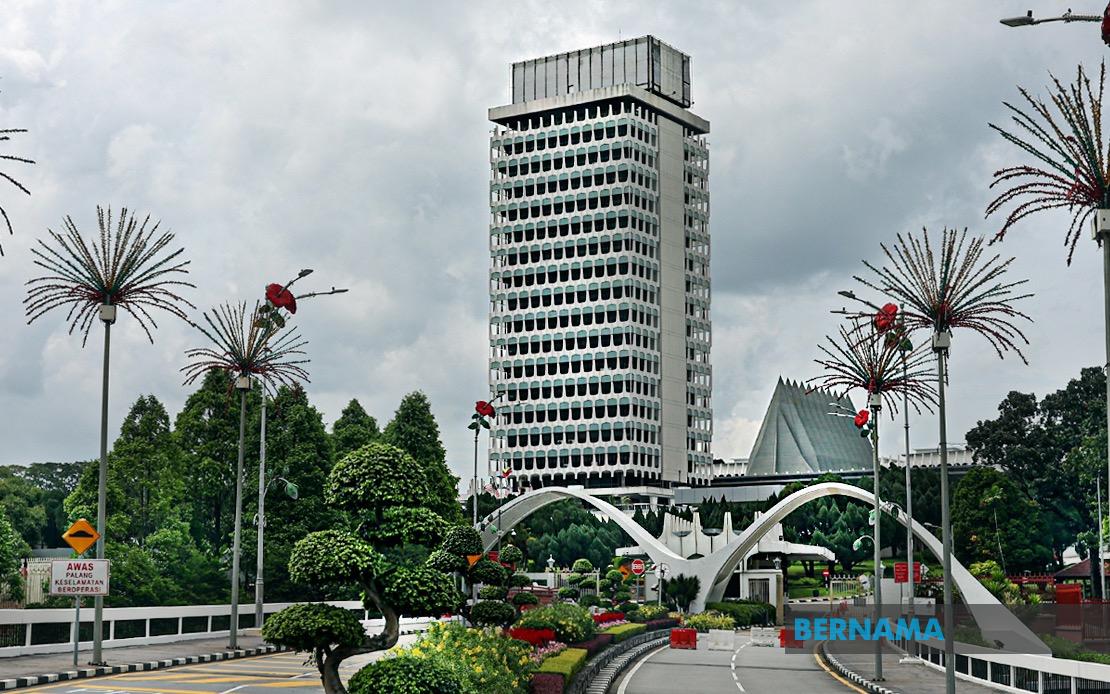
Malaysia's Parliament will turn its focus today to two critical national concerns: the ripple effects of the West Asian conflict on the country's tourism industry and the security preparedness of agencies operating in strategically sensitive border regions. The 16-day sitting, which extends through July 16, will provide lawmakers with the opportunity to interrogate the government on its response to these interconnected challenges that carry significant implications for Malaysia's economic recovery and regional stability.
The tourism sector has emerged as a focal point of parliamentary attention, particularly regarding how ongoing tensions in the Middle East have disrupted visitor flows from traditionally high-value markets. Dr Ahmad Fakhruddin Fakhrurazi, representing Kuala Kedah under Perikatan Nasional, will press the Tourism, Arts and Culture Minister to detail the quantifiable impact of the West Asian conflict on foreign arrivals, with specific reference to visitors from Middle Eastern, European, and broader West Asian regions. This line of questioning reflects broader concerns about Malaysia's ability to maintain its tourism growth trajectory at a time when geopolitical instability continues to reshape travel patterns globally and within the region.
The government's strategic response mechanisms will be under scrutiny. Lawmakers are keen to understand what initiatives the administration has deployed to counteract the downturn and sustain momentum in a sector that contributes substantially to Malaysia's foreign exchange earnings and employment. Tourism represents a particularly sensitive economic indicator for Malaysia, given the country's positioning as a premier Southeast Asian destination and the sector's interconnectedness with aviation, hospitality, and ancillary industries. Any prolonged disruption to visitor arrivals carries cascading effects throughout the economy.
Parallel to tourism concerns, parliament will examine the security infrastructure and operational capacity in Langkawi, an island district that occupies a precarious geopolitical position near the Malaysia-Thailand maritime boundary. Datuk Mohd Suhaimi Abdullah, the Langkawi representative from Perikatan Nasional, will interrogate the Home Minister regarding the readiness of security agency assets and personnel to address the escalating threat of migrant smuggling and the trafficking of controlled substances. The proximity of Langkawi to international waters and the Thailand border creates unique vulnerabilities that require sustained vigilance and adequate resourcing.
The question of drone technology deployment will feature prominently in this exchange. Lawmakers want clarity on whether the government intends to expand the use of unmanned aerial vehicles (UAVs) for border surveillance and maritime monitoring, referencing earlier applications and commitments. Drone technology has emerged as a crucial tool for addressing transnational criminal networks and preventing territorial waters intrusion, challenges that are particularly acute in maritime regions like Langkawi. The deployment of such assets could significantly enhance Malaysia's capacity to intercept smuggling operations and protect sovereign waters.
Beyond tourism and security, parliament will address the persistent human-elephant conflict that continues to threaten communities in resource-rich regions. Manndzri Nasib, representing Tenggara under Barisan Nasional, will seek details on the effectiveness of enhanced Ecological Fiscal Transfer funding and PERHILITAN community initiatives in mitigating these dangerous encounters. The expansion of Electric Fencing for Elephants (SPEG) technology will also come under discussion, with lawmakers questioning the coordination between the Natural Resources and Environmental Sustainability Ministry and other agencies to scale up this protective infrastructure and safeguard local residents.
The affordability and accessibility of housing for young Malaysians will form another critical parliamentary focus. Datuk Willie anak Mongin, representing Puncak Borneo under GPS, will demand comprehensive data on unsold affordable housing units stratified by state and price category. His questioning will also probe the actual home ownership rates among Malaysians under 35 years of age, broken down by state and parliamentary constituency. This interrogation underscores persistent concerns about whether government housing programmes are translating into tangible benefits for younger generations, who face mounting affordability challenges in an increasingly expensive property market.
The parliamentary agenda also includes substantive legislative business that will advance the government's law enforcement and social protection priorities. Two bills are scheduled for second reading during this sitting: the Sexual Offences against Children (Amendment) Bill 2026 and the Employment Insurance System (Amendment) Bill 2025. The child protection amendment signals the government's commitment to strengthening legal frameworks against child exploitation, an issue of paramount concern across Malaysia and the broader region. The employment insurance amendment reflects ongoing efforts to enhance social safety nets for workers in an evolving labour market.
These diverse parliamentary matters collectively illustrate the multifaceted nature of contemporary governance challenges facing Malaysia. The simultaneous focus on geopolitical tourism impacts, border security capacity, environmental protection, housing affordability, and legislative modernisation demonstrates how interconnected policy domains have become. Policymakers must balance economic imperatives with security concerns, environmental conservation with community safety, and social inclusion with fiscal sustainability. The depth of parliamentary scrutiny on these matters suggests that Malaysian lawmakers are acutely aware of these tensions and determined to ensure that government responses are adequately resourced, strategically coherent, and grounded in empirical evidence rather than assumption.

