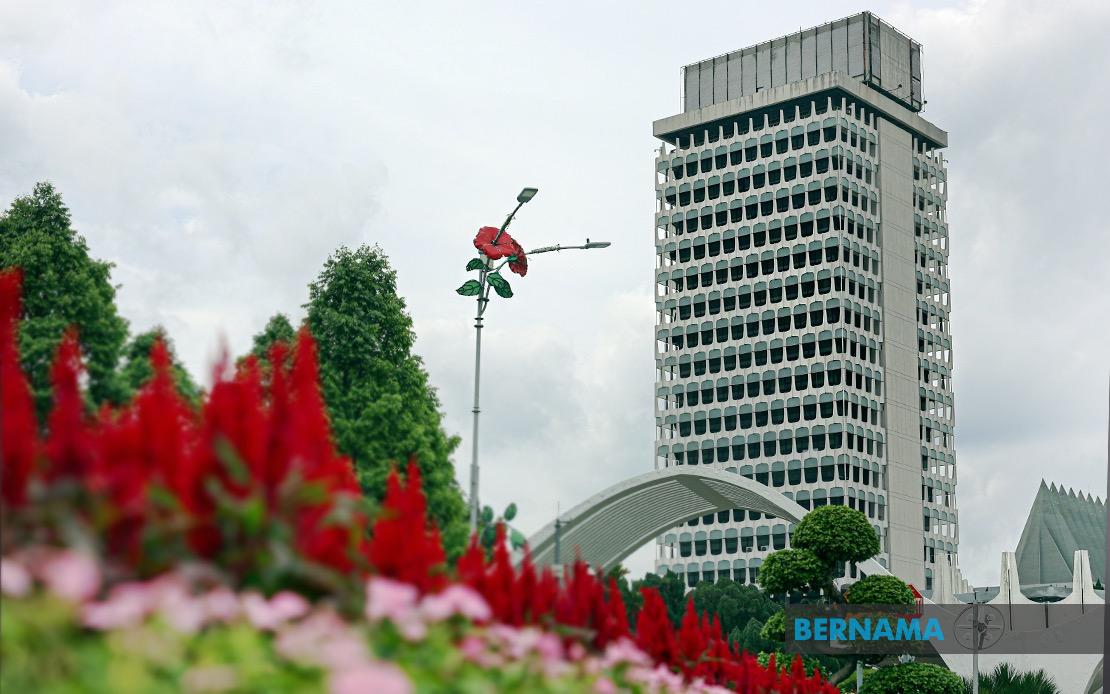
The Dewan Rakyat is wrapping up its second meeting of the fifth parliamentary session today with an agenda that spans critical national challenges, from climate-driven agricultural threats to military safety protocols and public health concerns. As the 16-day sitting draws to a close, lawmakers are set to scrutinise government preparedness across multiple sectors that directly affect Malaysia's economic stability and citizen wellbeing.
El Niño preparedness sits at the forefront of parliamentary questioning, reflecting growing concern over the climate phenomenon's potential impact on the nation's food systems. Bakti Jamaluddin, representing Tangga Batu under the Barisan Nasional banner, will press the Agriculture and Food Security Minister for a comprehensive account of the government's contingency planning. The inquiry extends beyond abstract climate science into practical agricultural realities: how authorities plan to maintain irrigation water supplies during drought conditions, sustain padi production and broader crop yields, meet livestock requirements, and ultimately guarantee sufficient domestic food stocks. This line of questioning underscores the vulnerability of Malaysia's agricultural sector to climatic volatility and the interconnection between weather patterns and national food sovereignty—a concern particularly relevant for a country that imports substantial quantities of essential foodstuffs. The government's response will likely reveal whether current strategies adequately address supply chain risks that could ripple through to consumer prices and market stability across Southeast Asia's largest economy.
The recent hand grenade explosion during Malaysian Armed Forces training has prompted urgent parliamentary scrutiny of military safety culture. Datuk Mohd Isam Mohd Isa will direct questions to the Defence Minister demanding clarity on what triggered the incident and what systemic improvements have been implemented to prevent recurrence. Training accidents in military establishments carry symbolic weight beyond their immediate toll: they signal potential gaps in institutional discipline, equipment maintenance, and adherence to safety protocols. The Defence Ministry's response regarding revised standard operating procedures will indicate whether the incident prompted genuine operational reforms or merely cosmetic adjustments. For a nation with significant defence commitments and regional security responsibilities, questions about training safety reflect broader confidence in military institutional competence.
Governance and administrative reform of Kuala Lumpur City Hall emerges as another substantive parliamentary focus. Tan Kok Wai from the Port Klang constituency under Pakatan Harapan will ask the Prime Minister to elaborate on reforms flowing from the Feasibility Study of the Federal Capital Act 1960. The federal capital's administration touches countless daily transactions and services affecting millions: waste management, public transport, licensing, permits, and infrastructure maintenance. The inquiry probes whether governance improvements extend meaningfully into integrity mechanisms, administrative efficiency, and service quality, or whether restructuring remains confined to organisational charts. This question carries particular significance given that DBKL's performance directly shapes investor confidence and livability metrics in Malaysia's political and economic heart.
The spread of deviant Islamic teachings commands parliamentary attention amid broader concerns about religious extremism in Malaysia. Sabri Aziz from Jerai under Perikatan Nasional will ask the Prime Minister about government challenges in containing such movements and intervention strategies to strengthen religious conviction among those susceptible to heterodox teachings. Malaysia's multicultural framework depends partly on stable religious consensus within Muslim-majority communities; parliamentary focus on this issue reflects concern that fringe Islamic movements pose social cohesion risks. The government's articulated response will clarify enforcement strategies, rehabilitation approaches, and preventive education initiatives—revealing whether official policy treats deviant teachings primarily as security threats, social welfare concerns, or theological problems requiring different institutional responses.
Public health constitutes the session's final major focus, with emphasis on non-communicable diseases among younger demographics. Datuk Dr Richard Rapu representing Betong under GPS will demand updated statistics on diabetes and hypertension prevalence between 2024 and 2026, particularly among those under 30 years old. The apparent concentration of these metabolic conditions in increasingly younger age cohorts signals alarming demographic health trends, potentially reflecting combined effects of urbanisation, dietary changes, sedentary lifestyles, and stress. Rapu's supplementary queries concerning the War on Sugar campaign and sugar tax enforcement suggest parliamentary scepticism about policy effectiveness. This line of questioning implicitly queries whether Malaysia's public health approach moves beyond awareness campaigns toward meaningful behavioural and environmental change—whether interventions genuinely reduce obesity rates or merely satisfy political visibility requirements.
The Finance Minister's tabling of the National Trust Fund Bill 2026 for second reading represents another substantive parliamentary agenda item, though details remain limited from the order paper. This legislative initiative presumably addresses state asset management or public financial administration, suggesting ongoing parliamentary work on institutional financial architecture.
The timing of these inquiries reflects parliamentary efficiency as the second meeting concludes its scheduled 16-day span. The breadth of topics examined—climate adaptation, military operations, municipal governance, religious affairs, public health, and financial legislation—illustrates the Dewan Rakyat's role as venue for cross-sectoral accountability. Whether parliamentary questioning translates into genuine policy recalibration or performs ritualistic oversight functions remains a persistent question about Malaysian parliamentary effectiveness. The responses delivered today will signal whether government priorities align with articulated parliamentary concerns, or whether questioning constitutes largely performative democratic ritual without operational consequences. For Malaysian citizens and regional observers monitoring governance trajectories, today's parliamentary sitting offers insights into how national institutions address interconnected challenges spanning climate resilience, institutional discipline, administrative efficiency, social stability, and public health.

