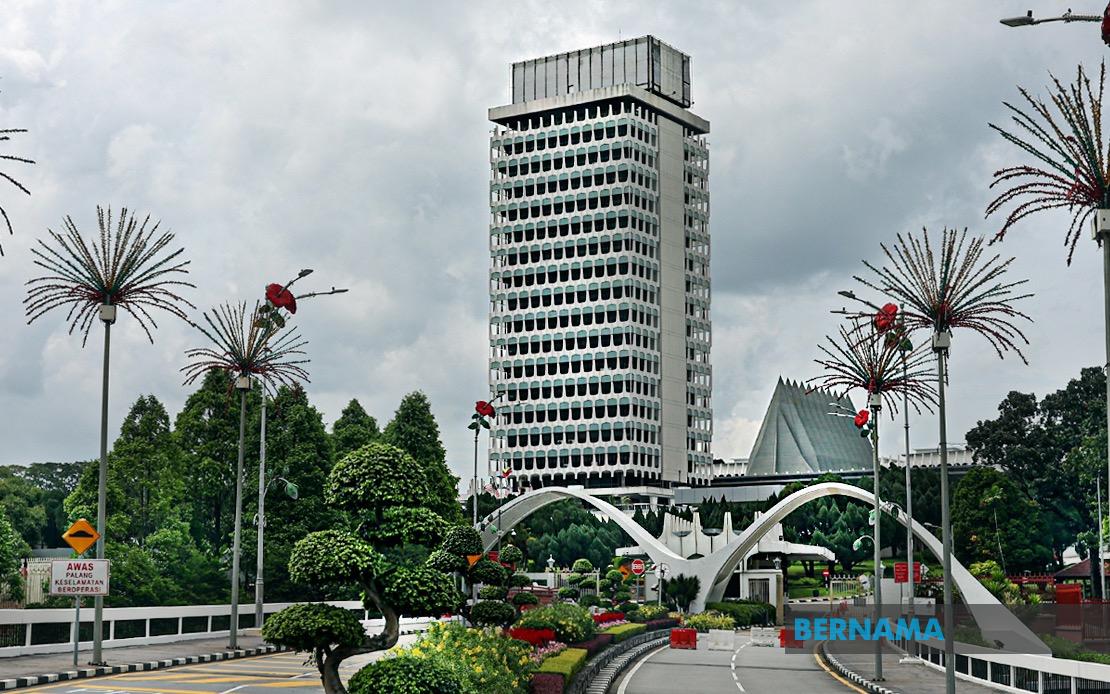
Parliament convenes today to examine three pressing national concerns: the regulatory framework for Malaysia's new Online Safety Act 2025, safeguarding measures for students across the country, and financial support for small traders struggling with logistics costs tied to the prolonged West Asia conflict. The 16-day parliamentary sitting, which runs until July 16, reflects growing anxiety about digital governance, educational environments, and economic resilience in an increasingly volatile regional landscape.
The Online Safety Act 2025 represents Malaysia's ambitious attempt to establish comprehensive digital governance standards, but its success depends heavily on the subsidiary instruments—regulations and guidelines—currently under development. Rodziah Ismail from Ampang will press the Communications Minister during Question Time to clarify the status of ten regulatory instruments, seeking transparency on their objectives, specific provisions, intended scope, and current development timeline. This legislative scrutiny matters because these subsidiary instruments will determine how the Act functions in practice, affecting everything from content moderation policies to platform accountability mechanisms that internet companies must follow.
The Online Safety Act's implementation is particularly significant for Malaysian users and businesses operating in the digital economy. Southeast Asia has emerged as a crucial market for technology platforms, yet regulatory approaches vary widely across the region. Malaysia's framework could influence how other nations approach digital governance, while also setting precedents for data protection, cybersecurity, and content standards that affect millions of local users. The devil invariably lies in regulatory details; poorly designed subsidiary instruments could either overburden businesses or fail to adequately protect vulnerable users, particularly minors and vulnerable populations often targeted by online predators and scam networks.
School safety concerns will also feature prominently in today's proceedings. Roslan Hashim representing Kulim Bandar Baharu will question the Education Minister about current safeguards protecting students nationwide and measures designed to maintain secure learning environments. This inquiry encompasses multiple dimensions: preventing accidents through infrastructure maintenance and safety protocols, addressing bullying through pastoral care and intervention strategies, and defending against broader threats ranging from unauthorised intrusions to cyber-enabled harassment. Schools across Malaysia have reported rising anxiety among parents regarding student safety, making this parliamentary attention timely and justified.
The school safety debate occurs amid growing recognition that educational institutions require multifaceted protection strategies. Beyond physical security measures, psychological and social dimensions demand equal attention. The prevalence of cyberbullying, often originating from incidents at school, demonstrates how online and offline threats interconnect—a reality particularly acute for teenage students who navigate both physical and digital social spaces simultaneously. Parliamentary pressure on the Education Ministry could catalyse comprehensive safety audits, improved reporting mechanisms for students experiencing threats, and better-coordinated responses between educational administrators and law enforcement agencies.
Economic hardship stemming from regional geopolitical tensions will occupy significant parliamentary attention. Datuk Andi Muhammad Suryady Bandy from Kalabakan will appeal to the Finance Minister for immediate relief measures targeting hawkers, small traders, and micro-enterprises devastated by logistics cost inflation and supply chain disruptions triggered by the West Asia crisis. This category of business operators—numbering hundreds of thousands across Malaysia—operates on razor-thin margins and lacks the financial buffers larger corporations maintain. When logistics costs spike unexpectedly, they cannot absorb losses; they must reduce workforce numbers, close operations, or pass costs to consumers already experiencing cost-of-living pressures.
The West Asia crisis has created cascading economic consequences throughout Southeast Asia, with Malaysia's trade-dependent economy particularly vulnerable. Port congestion, rerouted shipping lanes, increased insurance costs, and fuel surcharges have cumulatively increased transportation expenses for importers and exporters. Small business owners importing raw materials or exporting finished goods face significantly higher costs, directly threatening viability. Parliamentary intervention could accelerate government responses including targeted subsidies, tax relief mechanisms, or temporary import duty reductions for affected sectors. The timing is politically delicate: inaction risks widespread business failures and unemployment, while overly generous interventions strain the national budget.
Transportation infrastructure development features in today's parliamentary agenda as well. Datuk Seri Dr Wee Ka Siong will seek progress updates on the Johor Elevated Autonomous Rapid Transit (E-ART) project from the Transport Minister. This elevated transit system represents significant infrastructure investment intended to modernise transportation networks in Johor, Malaysia's second-largest state and a major population and industrial centre. Project implementation timelines matter enormously for infrastructure development, which often faces delays affecting economic productivity and public confidence in government delivery capacity.
Road safety initiatives will also receive parliamentary scrutiny. Zakri Hassan from Kangar will question the Works Minister about road safety policies, though the original parliamentary order paper summary was truncated. Malaysian road safety remains a critical public health challenge, with fatal accident rates among the highest regionally. Parliamentary questioning could address implementation of safety measures including street lighting improvements, barrier installations, speed-reduction mechanisms, or enforcement operations targeting reckless driving.
Healthcare sustainability in Sabah features prominently amid fiscal concerns. Datuk Shahelmey Yahya from Putatan will ask the Health Minister whether government fiscal adjustment policies might compromise healthcare service delivery and facility development in Sabah. This reflects legitimate concern that cost-containment measures at federal level might disproportionately affect less-developed regions. Healthcare infrastructure in Sabah, particularly in rural and remote areas, remains underdeveloped compared to peninsular Malaysia, making sustained investment essential for equitable service access.
Cybersecurity implications of potential social media age restrictions will also be examined. Riduan Rubin, an Independent representative from Tenom, will press the Home Affairs Minister to assess national cybersecurity risks if Malaysia implements a minimum age requirement of 16 for social media access. Such regulation could reduce exposure for younger users but might drive them toward unregulated or offshore platforms harder to monitor for harmful content and predatory behaviour. The cybersecurity angle reflects sophisticated understanding that regulatory restrictions create unintended consequences requiring holistic risk assessment.
Parliament will also table the Competition (Amendment) Bill 2026 for second reading, signalling government commitment to refining competition law frameworks. This legislative initiative could reshape market dynamics across multiple sectors, potentially affecting consumer protection, business competitiveness, and innovation ecosystems. The 16-day parliamentary sitting provides substantial time for substantive debate, indicating government seriousness about these legislative and policy questions.

