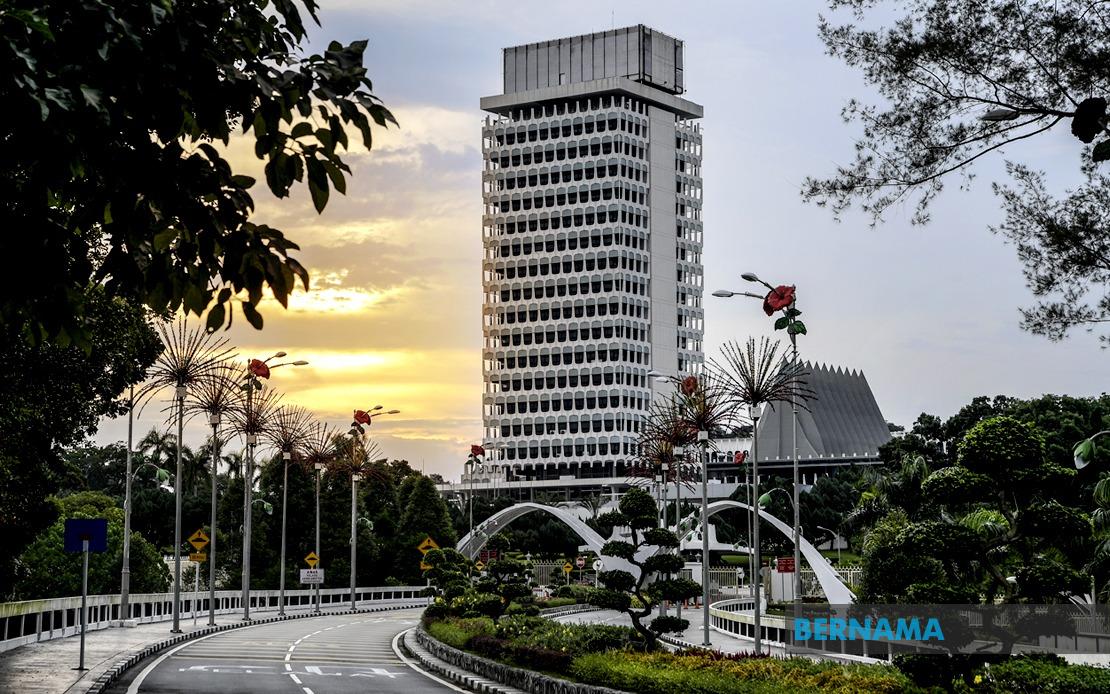
Parliament's lower house is turning attention to a cluster of economic and social concerns affecting ordinary Malaysians, with lawmakers on Tuesday raising questions about insurance protections, retirement security, and national sports development. The week-long session, which continues through July 16 as the Second Meeting of the Fifth Session of the 15th Parliament, reflects growing parliamentary scrutiny of policies impacting household finances and quality of life across the country.
Health insurance has emerged as a pressing concern for legislators, particularly regarding the vulnerability of policyholders with serious illnesses. Tan Kok Wai, the PH member for Cheras, will probe the Finance Minister on whether government measures sufficiently protect citizens, especially those battling critical illnesses and cancer, from the practice of insurers cancelling policies or rejecting legitimate claims. The question signals frustration over a pattern in which consumers discover their coverage has been withdrawn during their most vulnerable moments, often citing technical grounds or dispute over pre-existing conditions. Beyond individual grievances, Tan is directing attention toward systemic transparency and how disputes between insurers and patients are resolved, suggesting that current mechanisms fail to provide adequate redress for those who have paid premiums in good faith.
Retirement security for the working population has become increasingly urgent as Malaysia faces demographic shifts that will reshape its economic profile. Datuk Seri Aminuddin Harun, representing Port Dickson for PH, is pressing the Finance Minister on whether EPF contributors are accumulating sufficient retirement savings given the sharply rising costs of healthcare, housing, and daily necessities. The timing of this question is significant: Malaysia's population is projected to age markedly by 2030, meaning the current workforce must amass adequate reserves before reaching retirement age. With inflation eroding purchasing power and traditional pension arrangements becoming less generous, the adequacy of EPF contributions and returns has become a flashpoint in policy discussions. The question implicitly challenges the government to consider whether current contribution rates and investment strategies position retirees to maintain their standard of living without becoming dependent on family support or public assistance.
Sports development, particularly volleyball, occupies a separate but notable section of the parliamentary agenda. Zakri Hassan, the PN lawmaker for Kangar, is interrogating the Youth and Sports Minister on how the ministry identifies and nurtures volleyball talent at both indoor and beach levels. This line of questioning reflects the reality that systematic talent development requires institutional frameworks, coaching expertise, and financial support that extend far beyond occasional competitions. By raising the issue in parliament, Hassan is highlighting whether Malaysia's sporting bureaucracy possesses adequate mechanisms to spot young athletes early and provide structured pathways toward excellence, or whether talent development remains haphazard and dependent on individual initiative.
Rural communities feature prominently in the session's agenda, with Hassan Saad from Baling asking the Communications Minister to assess whether the National Information Dissemination Centres, commonly known as NADI, are meaningfully improving socio-economic conditions in underserved areas. The question pointedly acknowledges persisting gaps in internet connectivity, digital literacy, and marketing capabilities that leave rural entrepreneurs isolated from national and digital markets. For a country aspiring to inclusive growth, the effectiveness of these centres in bridging the rural-urban divide has become a measure of whether government infrastructure initiatives translate into tangible livelihood improvements or remain symbolic gestures.
Another critical focus concerns the tracking and regulation of subsidised cooking oil, a staple commodity whose subsidised pricing is meant to protect lower-income households but has become subject to diversion and black-market leakage. The Mobile eCOSS application, introduced in May 2025, represents an attempt to monitor the supply chain and prevent cooking oil meant for domestic consumption from being diverted for commercial resale or export. Parliamentary questions about this system's effectiveness will illuminate whether digital oversight mechanisms can successfully plug longstanding loopholes in subsidy administration, a question relevant beyond cooking oil to the broader challenge of ensuring targeted subsidies reach intended beneficiaries.
Micro, small, and medium enterprises remain central to Malaysia's economic resilience and employment generation, particularly in regions with limited access to formal credit and technical expertise. Lawmakers are probing whether government financing schemes designed to support MSMEs are delivering measurable results or whether bureaucratic procedures and stringent collateral requirements continue to exclude the most vulnerable entrepreneurs. This enquiry reflects recognition that while Malaysia possesses sophisticated financial systems for large corporations, small business operators often struggle to access affordable credit, constraining their ability to invest in equipment, inventory, and workforce development.
Beyond individual questions, parliament is advancing substantive legislative work on competition policy, a foundation for vibrant markets and economic dynamism. The Dewan Rakyat will continue committee-stage debate on the Competition (Amendment) Bill 2026 before proceeding to second reading of the Competition Commission (Amendment) Bill 2026. These pieces of legislation will reshape how Malaysia regulates anticompetitive conduct, addresses market concentration, and protects consumer interests. Competition law touches everything from pricing of essential services to barriers faced by new entrants attempting to compete with established players, making these bills consequential for broader economic opportunity and efficiency.
The parliament's health committee will also brief the chamber on its report examining reform of the National Organ Donation and Transplant System. This initiative reflects both technical improvements in medical administration and deeper questions about how Malaysia encourages citizens to participate in organ donation programmes, thereby expanding availability of transplants and extending lives. The committee's findings may reshape public awareness campaigns, registration mechanisms, and the ethical frameworks governing organ allocation.
The breadth of issues occupying parliament's attention this week—spanning insurance regulation, retirement adequacy, sporting development, rural connectivity, subsidy administration, business finance, competition policy, and healthcare system reform—illustrates the complex terrain of contemporary governance. Each question identifies a gap between stated policy objectives and observed outcomes, suggesting that institutional capacity, regulatory design, and implementation mechanisms require ongoing scrutiny. For Malaysian constituents, the effectiveness of these parliamentary interrogations ultimately depends on whether executive responses translate into concrete policy adjustments or remain defensive and formulaic.

