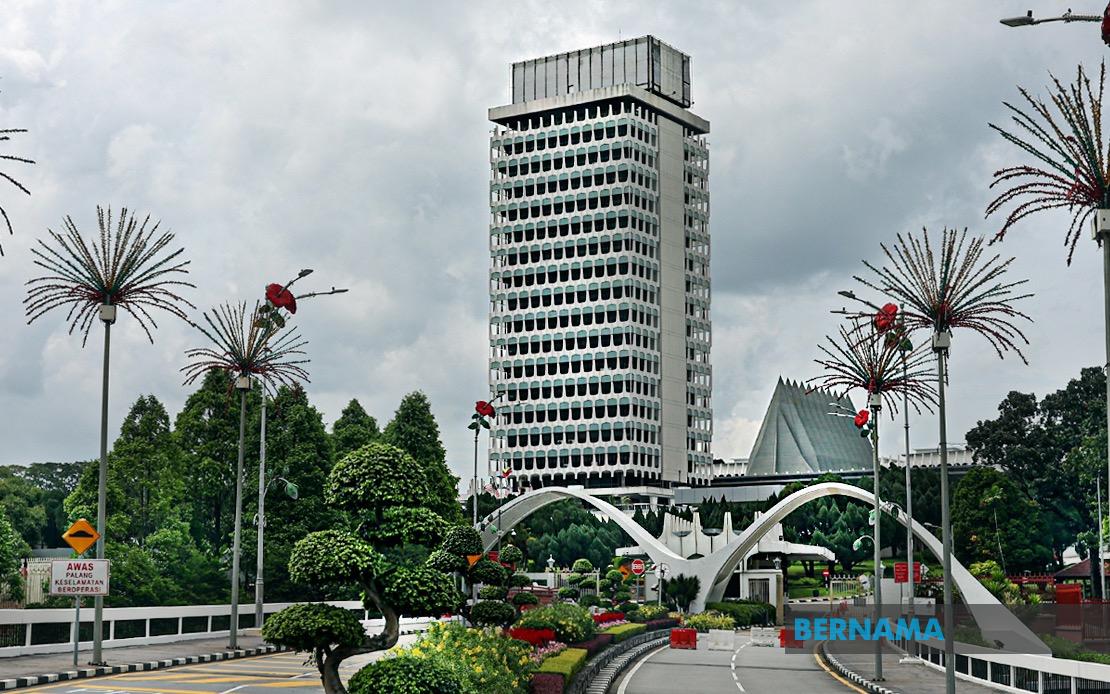
The Dewan Rakyat meets today to weigh two critical issues confronting Malaysia's infrastructure development and public health strategy: the anticipated rollout of East Coast Expressway Phase 3 through a PPP structure and the intensifying battle against vape distributors exploiting young Malaysians. These matters reflect broader tensions between advancing regional connectivity, managing fiscal commitments, and protecting vulnerable populations from commercial predation.
The LPT3 project represents a substantial continuation of the eastern corridor's transportation network, linking enhanced economic activity with geographical modernisation. Dungun parliamentarian Wan Hassan Mohd Ramli will push the Works Minister for specifics on how this partnership model balances public interest against private profit incentives, particularly regarding toll pricing—a perennial flashpoint in Malaysian infrastructure debates. The timeline for implementation matters enormously for regional planning across Terengganu, Kelantan, and Pahang, where business investment decisions depend on clarity about project phasing and completion horizons.
Toll policy remains contentious in Malaysia. Previous expressway projects have attracted criticism over escalating rates that disproportionately affect commuters in less-developed regions. The PPP mechanism, while potentially reducing immediate government expenditure, often transfers long-term costs to users through toll structures calibrated to service private investors' returns. Parliamentarians recognise that poor toll design can throttle regional development by discouraging legitimate commerce and commuter movement. How the government weights accessibility against financial viability will signal its development philosophy.
The vaping issue represents a sharper public health emergency gaining parliamentary attention. Masjid Tanah representative Datuk Mas Ermieyati Samsudin's question to the Home Minister signals alarm about organised distribution networks deliberately targeting adolescents and school-age children. Unlike traditional smoking, vaping presents regulatory complexity: manufacturers market devices through social media and online channels, circumventing traditional enforcement frameworks. Syndicate involvement indicates criminal sophistication, suggesting that isolated retail crackdowns prove insufficient.
Malaysia's youth face particular vulnerability to nicotine addiction through vape products. Many devices contain addictive substances masked by appealing flavours and trendy packaging designed to normalise use among peers. The health ministry has raised concerns about unknown chemical exposures and long-term respiratory consequences still emerging in international research. That enforcement remains inadequate indicates either resource constraints within enforcement agencies or gaps in legislation allowing loopholes that syndicates exploit systematically.
Battersea parliamentarian P. Prabakaran raises a complementary governance concern about airport and border congestion hampering immigration clearance. This touches Malaysia's competitiveness as a regional hub and traveller experience. Extended processing times at entry points create security vulnerabilities and economic friction. The question implies frustration that infrastructure upgrades and digital systems have failed to match processing speed to passenger volumes, particularly during peak seasons. Addressing this requires coordinating multiple agencies—immigration, customs, airport authorities, and transport infrastructure providers—suggesting systematic coordination failures rather than isolated resource shortages.
Temerloh's Salamiah Mohd Nor queries whether digital health initiatives like MySejahtera and electronic health records genuinely alleviate hospital congestion. This reflects Malaysian healthcare's persistent strain. Digital systems theoretically streamline patient routing and reduce administrative delays, yet hospital overcrowding persists. The question implies scepticism that technology alone resolves structural capacity problems—understaffing, bed shortages, and rising disease prevalence ultimately overwhelm digital efficiency gains. Answering honestly requires acknowledging that system design, funding adequacy, and workforce planning matter more than technology adoption.
These parliamentary questions collectively expose governance gaps across infrastructure, health, and security domains. The LPT3 dialogue will clarify government thinking about balancing development against affordability. Vaping enforcement discussions will reveal whether authorities recognise youth protection as urgent and whether they possess adequate tools and resources. Border congestion scrutiny tests whether government agencies coordinate effectively. Healthcare digitisation questions assess whether ministers conflate technological modernisation with genuine system reform.
The Human Rights Commission's annual report debate, scheduled after question time, adds normative weight to these inquiries. SUHAKAM's oversight role reminds parliamentarians that infrastructure projects, health policies, and security measures all carry human rights implications. The expressway must not displace communities without fair compensation; vape enforcement must respect individual freedoms while protecting minors; immigration systems must balance security with dignity; healthcare access remains a fundamental right not merely a technical service delivery challenge.
The 16-day parliamentary session concluding July 16 provides limited time for substantive examination. Question Time allows ministers brief responses often lacking detail necessary for genuine accountability. The winding-up debate on SUHAKAM's report may address systemic themes, but Malaysian parliamentary practice often prioritises speed over depth. Nonetheless, today's agenda signals that Parliament recognises interconnected vulnerabilities: unmanaged infrastructure privatisation, weakening youth protection, governance fragmentation, and healthcare underfunding collectively undermine national development quality.
Regional observers watch Malaysian parliamentary proceedings as indicators of governance health. Southeast Asian nations facing similar PPP infrastructure temptations, youth vaping epidemics, and healthcare digitisation challenges will assess whether Malaysia's Parliament exercises meaningful oversight or merely ratifies executive decisions. The questions posed today, and ministerial responses offered, will demonstrate whether parliamentary democracy functions as genuine accountability mechanism or ceremonial legitimation of predetermined policies.

