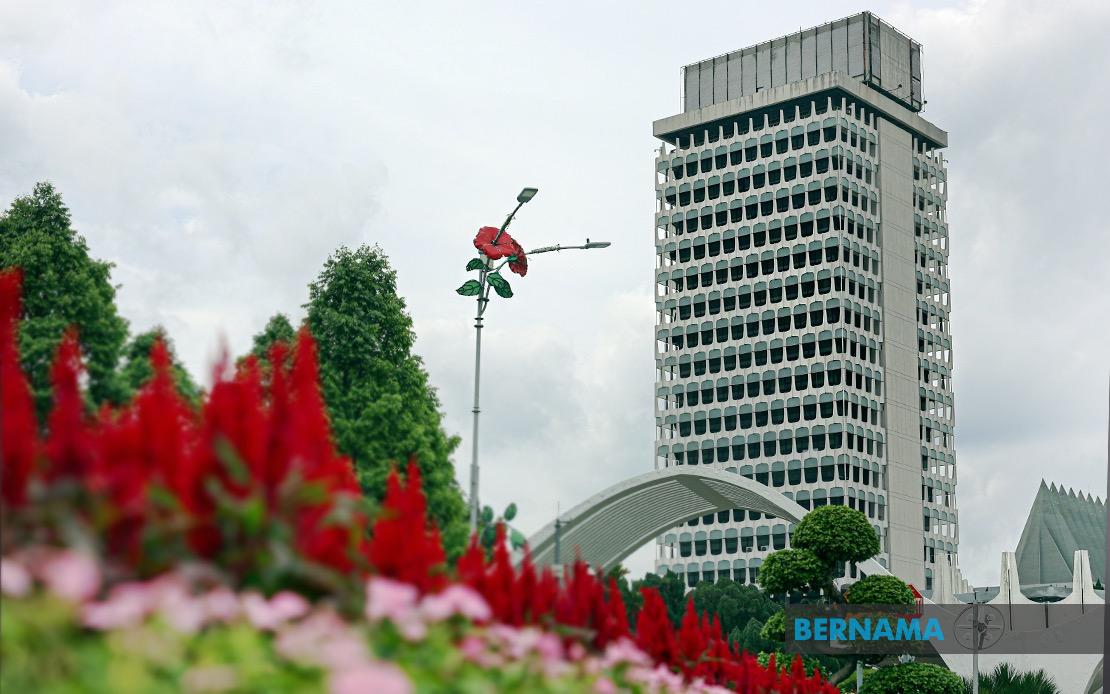
Malaysia's parliament has united behind an urgent push to overhaul the legal framework governing Tabung Haji, the national hajj savings institution, following the public release of a damning Royal Commission of Inquiry report that exposed years of mismanagement and financial missteps. Lawmakers from both government and opposition benches convened in a special sitting to debate the RCI's findings and have called for amendments to the Tabung Haji Act 1995 to be fast-tracked through parliament, signalling serious parliamentary intent to restructure how the institution is run and governed. The widespread cross-party agreement on reform measures suggests that concerns about the fund's governance have transcended traditional political divisions, with legislators focused instead on rebuilding public confidence in an institution that holds the savings of hundreds of thousands of Malaysian Muslims preparing for the hajj pilgrimage.
The RCI, whose report was made public on July 29, investigated governance failures spanning 2014 to 2020 and uncovered systemic weaknesses that had compromised Tabung Haji's financial health and operational independence. Among its 25 recommendations, the inquiry specifically flagged the concentration of ministerial power under Section 10 of the current Act as a fundamental problem that had enabled political interference and weakened decision-making processes. Datuk Shahelmey Yahya, representing Putatan for the Barisan Nasional coalition, articulated the core concern during parliamentary debate, noting that the minister's ability to issue general directions to Tabung Haji had historically contributed to institutional failures that rippled through the organisation's performance metrics and balance sheet. He contended that separating political oversight from operational management would allow Tabung Haji to pursue excellence in corporate governance and ensure that strategic decisions reflected the institution's interests rather than partisan considerations.
One of the most contentious issues identified by lawmakers centres on the appointment process for Tabung Haji's Board of Directors. Currently, the minister exercises substantial influence over board composition, creating pathways for political figures and connected individuals to secure positions regardless of professional qualifications or sectoral expertise. Multiple MPs, including Syed Saddiq Syed Abdul Rahman from MUDA representing Muar, stressed that institutionalising a merit-based appointment framework was essential to preventing the recurrence of governance weaknesses that had undermined depositor confidence. The emphasis on transparent, professional recruitment procedures reflects a recognition that Tabung Haji's credibility rests fundamentally on the calibre and independence of those who oversee its operations. When board members are perceived as political appointees rather than accomplished financial professionals, the institution's ability to command public trust erodes, potentially discouraging Malaysians from saving through the fund for their religious obligations.
Tan Sri Muhyiddin Yassin, who led the Perikatan Nasional opposition, amplified these calls by urging the government to implement all RCI recommendations comprehensively and consistently. Beyond legislative amendments, he advocated for strengthening regulatory oversight through Bank Negara Malaysia or other competent authorities, establishing an independent investment committee insulated from political pressure, and restructuring the institution's portfolio to ensure investment decisions aligned with both prudential standards and Syariah principles. This multi-pronged approach acknowledges that legislative change alone cannot resolve entrenched governance problems; institutional culture and operational practices must evolve in tandem. The emphasis on Bank Negara's role underscores the importance of professional regulatory supervision in constraining the discretionary powers that had previously been wielded without adequate external scrutiny.
Mohamad Shafizan Kepli, representing Batang Lupar for the Gabungan Parti Sarawak, articulated the human stakes underlying these technical governance discussions. He reminded parliament that depositors—ordinary Malaysians who have set aside savings over years to fulfil their religious duty to perform the hajj—had become inadvertent victims of institutional incompetence and poor leadership. Their accumulated funds had been jeopardised by weak financial governance, creating a moral imperative to restructure the system before further harm could occur. This framing shifts the debate from abstract institutional reform to a concrete concern for ordinary citizens whose life savings and spiritual aspirations had been placed at risk. It also underscores why legislators across the political spectrum felt compelled to champion decisive action rather than incremental measures.
The RCI's investigation revealed that as of July 30, Tabung Haji had already implemented approximately 75 per cent of the inquiry's 25 recommendations, suggesting that some reforms were already underway or in advanced stages of preparation. However, the legislative amendments envisioned by parliament would constitute foundational changes that cannot be accomplished through administrative action alone; they require changes to the statutory framework that only the legislature can authorise. Several MPs, including Datuk Azman Nasrudin representing Padang Serai for Perikatan Nasional, Young Syefura Othman from Bentong for Pakatan Harapan, Datuk Seri Hasni Mohammad representing Simpang Renggam for Barisan Nasional, and Datuk Mohd Suhaimi Abdullah from Langkawi for Perikatan Nasional, raised appointment and governance issues during the parliamentary debate, reinforcing that concerns about political interference in Tabung Haji's leadership were sufficiently widespread to command attention from legislators across factional boundaries.
The momentum behind legislative reform reflects broader anxieties within Malaysian society about governance standards in state-linked institutions. Tabung Haji is not merely a savings scheme; it is an Islamic financial institution entrusted with the deposits of depositors who have placed faith in its stewardship of their resources. When governance failures become public knowledge, they risk eroding confidence not only in the institution itself but in the broader ecosystem of government-linked companies and financial organisations. The parliamentary emphasis on eliminating political appointments and curtailing ministerial discretion signals a determination to prevent similar scandals from compromising other important national institutions. For Malaysian investors and depositors more broadly, the legislative response to Tabung Haji's troubles may also set precedent regarding the standards parliament is willing to enforce across the wider institutional landscape.
The special parliamentary sitting, which was convened specifically to examine and debate the RCI report following the government's decision to release it publicly on July 29, demonstrates how accountability mechanisms can function effectively when political will exists to support them. Rather than shelving the RCI's findings or responding with defensive rhetoric, parliament engaged constructively with the inquiry's conclusions and seized the opportunity to chart a course toward institutional renewal. This approach contrasts sharply with episodes in other democracies where commissions of inquiry have been marginalized or their recommendations ignored. The cross-party consensus evident in the parliamentary debate suggests that Malaysian lawmakers recognised the political and moral imperative to act decisively rather than permit institutional decay to continue unchecked.
Looking forward, the pace at which the government proceeds with legislative amendments will serve as a measure of its commitment to the reform agenda that parliament has endorsed. Expedited parliamentary passage of amended legislation would signal that governance renewal is genuinely prioritised over other legislative priorities, while delays or watered-down amendments might suggest that political considerations are still tempering reform efforts. For Malaysian depositors and the broader Muslim community whose members rely on Tabung Haji to facilitate their hajj obligations, the coming months will be critical in determining whether institutional restructuring proceeds with sufficient urgency and ambition to restore genuine independence and professional standards to the institution's operations and governance frameworks.

